
Have you ever dreamed of being the boss of your own food business? The thoughts of preparing delicious meals or handling everyday operations may spark joy for you.
But what is a food business, actually? And what is the right way to start it?
Well, there’s a wide range of opportunities for food businesses in Australia, and many businessmen have found success with the right approach—from cafes to food delivery companies.
If you want to learn more about launching your own food business and uncover profitable ideas, keep reading to discover the ways!
What is a Food Business?
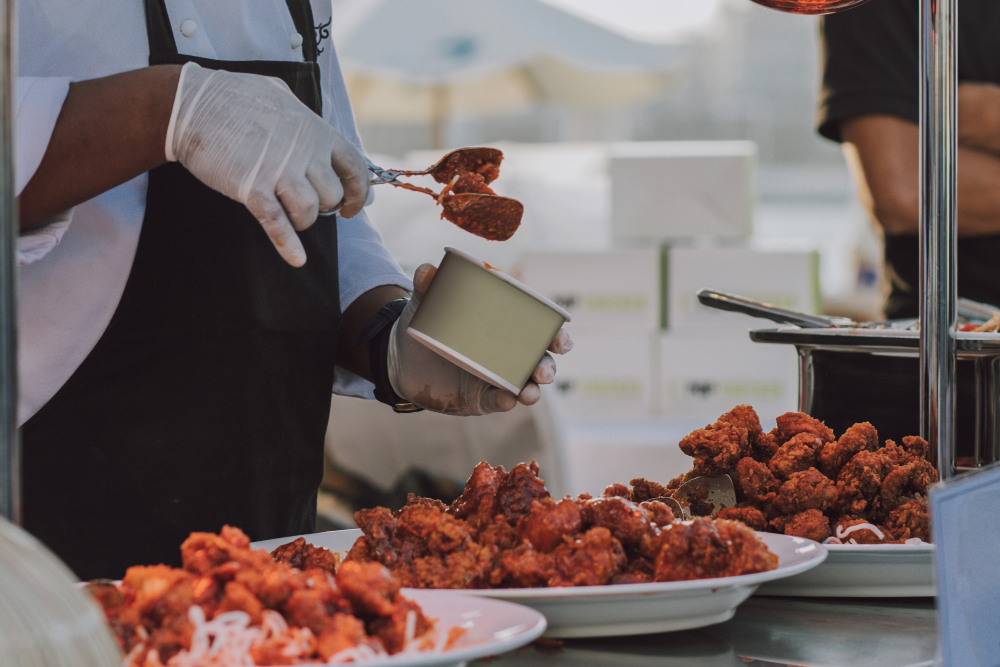
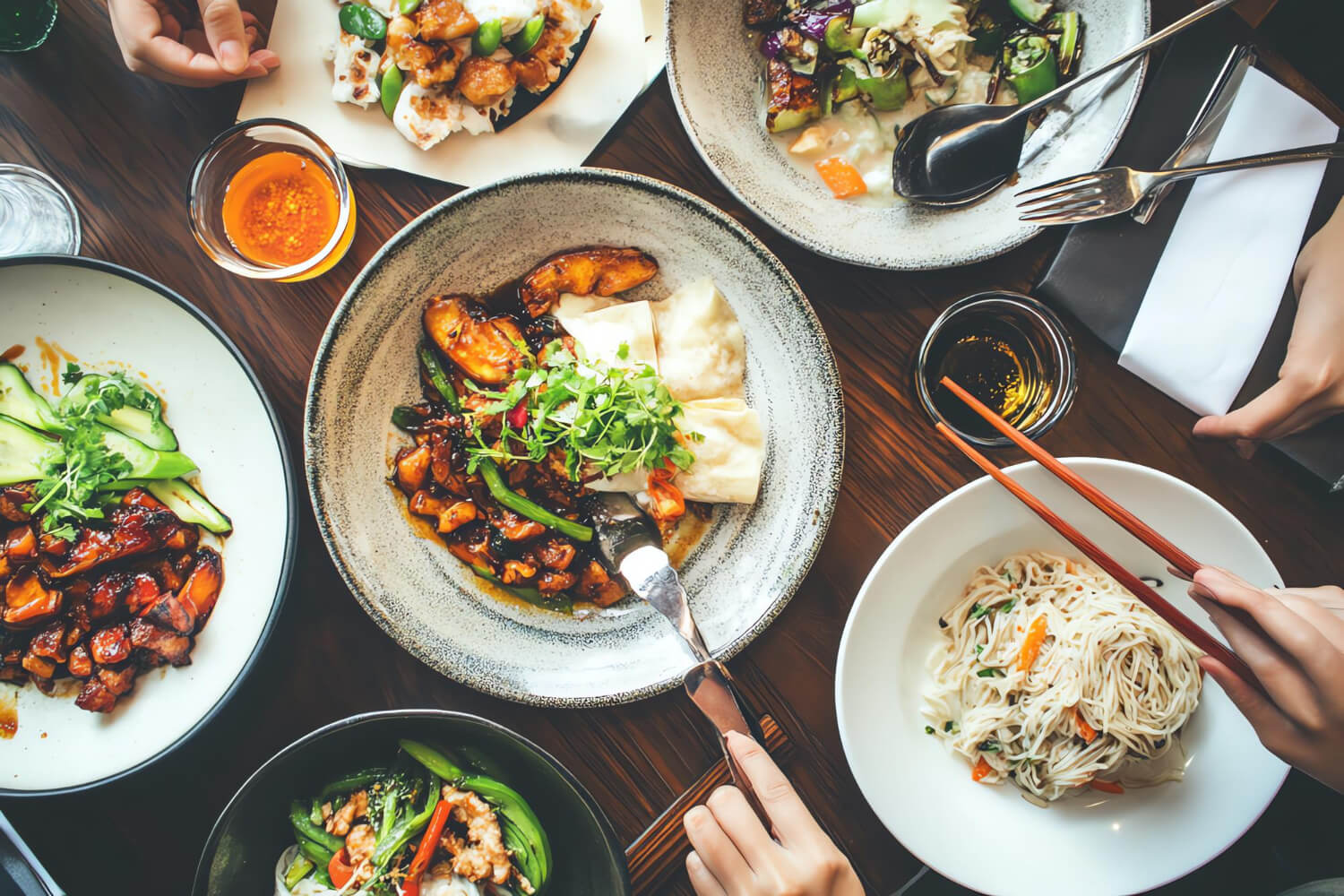
So, what is a food business? A food business is any enterprise or business that produces, prepares, sells, or distributes food. This includes various sectors like restaurants, cafés, food trucks, and even catering services.
In fact, this is a competitive yet thriving industry. CAGR data (2024-2029) shows that the food market revenue in 2024 has reached US$92.07bn and is expected to grow annually by 4.68%.
So, if you’re wondering if it is the right time to open your own food business, the answer is yes!
Prior to starting one, you need to know the categories. Here are some of them:
- Retailers and food services: Restaurants, cafés, supermarkets, grocery stores, food trucks, and takeaway outlets.
- Warehouses and distributors: Companies that store and distribute food products to retailers, restaurants, or other businesses.
- Food processors and manufacturers: Businesses that process raw ingredients into packaged goods, such as canned foods, frozen meals, and beverages.
- Food producers: Farmers, farms, fisheries, and other agricultural businesses
How Do You Start Your Food Business?

No matter your dream food business category, you must build a strong strategy, starting from a solid business plan. This guide will specifically focus on food services like restaurants. Let’s get started!
Make a Solid Business Plan
A business plan is the very first thing to build. You want your business to run smoothly, right? Then, you need to do deep research to make a solid one. This may take weeks or even months, but the effort will be worth the result.
Here’s what you need to conduct research for a strong foundation:
- Type of Food Business: Decide whether you’re starting a restaurant, café, food truck, catering service, or another type of enterprise.
- Target Market: Identify your ideal customers, their preferences, and what they expect from your food business.
- Unique Selling Proposition (USP): Define what makes your business stand out.
- Style and Atmosphere: Choose the style of service and dining experience you want to offer, from casual to fine dining.
- Menu and Offerings: Plan what food and drinks you’ll serve and how they meet customer needs.
- Brand Identity: Establish your brand’s tone, visuals, and messaging to create a memorable and appealing image.
Secure Your Financing
Once your business plan is in place, securing the necessary financing is the next step. If personal funding isn’t an option, you must seek out third-party funding sources. Potential options include:
- Banks and financial institutions
- Investors
- Government grants and programs
- Crowdfunding
- Family or friends
- Venture capitalists
In each case, you must clearly present your business’s potential and offer an attractive benefit to convince them to support your upcoming food business.
Choose Your Location
Do you think it’s important to place your business in the hottest location with the most foot traffic in the area? In fact, it’s not necessarily important.
Consider several factors before finding a restaurant location:
- Target customers: Consider where your target customers spend their time. Are they young professionals, families, or tourists? For example, a fast-food spot in a tourist area is ideal for quick meals.
- Accessibility and visibility: Choose a location that’s easy to find and reach—accessibility is key.
- Size: Your restaurant’s size should fit its concept. Plan for dining, kitchen, and storage areas, with room for growth if needed.
- Premium location cost: Consider if the higher rent is worth the potential boost in sales. For smaller budgets, consider mobile options like food trucks.
- Neighborhood safety: Choose a safe area for your restaurant, as customers and staff need to feel secure.
- Avoid competition: Research nearby restaurants and choose a location where you can stand out, filling a market gap.
- Collective venues: Like food halls, collective venues attract diverse crowds and reduce marketing costs. They’re ideal for startups with lower costs and built-in foot traffic. It’s a great way to test your concept before going solo.
Design the Layout of Your Space
After choosing a location, it’s time to get creative with the layout. Here’s a general area allocation for your restaurant:
- Dining Room: 60-70% of the total area
- Kitchen: 20-30% of the total area
- Restrooms: 5-8% of the total area
- Storage/Utility: 5-10% of the total area
- Prayer Room (if needed): 2-5% of the total area
Here are the specifications of each room:
- Dining Room: Focus on comfort and flow. Tables should be spaced to allow easy movement, with clear pathways for staff and customers.
- Kitchen: Design for functionality. Ensure enough space for food prep, cooking, and dishwashing.
- Restrooms: Place restrooms near the dining area, but ensure they’re discreet. They should be easy to access without disrupting diners.
- Storage/Utility: This area is used to organize supplies and equipment. It should be easily accessible from the kitchen and include enough space for dry goods, cleaning supplies, and extra utensils.
- Prayer Room (if needed): Include a small, quiet, private area. Ensure it is clean, peaceful, and respectful for users.
Choose Your Suppliers
Reliable suppliers ensure you get high-quality ingredients, equipment, tools, and services that directly affect the quality of your food and customer satisfaction.
You must find the right food, equipment, and service suppliers, from fresh produce to utensils. If you’re wondering where to find them, you can start at your local markets. From there, find information about wholesale distributors from fellow sellers.
Additionally, try online platforms like Alibaba or industry-specific sites that can connect you with local and international suppliers.
Beyond that, a trade show is a great place to discover new suppliers and compare offerings in one spot. However, this may be seasonal.
Get Your Licenses and Permits
Proper licenses and permits are critical for running a legitimate and compliant food business. They protect you from legal issues and ensure your establishment meets health and safety standards.
The first step in getting these permits is researching the specific regulations in your local area, as requirements can vary. Common essential permits are a local health permit and a business license.
Additionally, obtaining a food handlers permit is vital to demonstrate that you and your staff understand food safety protocols.
Depending on your location, you may be required to complete training or pass a certification course before receiving the necessary documents.
Start Hiring Your Employees
The right team equals excellent service and smooth operation. Hence, you must filter the candidates who align with your business values and have the skills needed for the job.
In general, restaurants need employees for positions like chefs/cooks, waitstaff, cashiers, dishwashers, supervisors/managers, baristas, and bartenders.
During the hiring process, consider these characteristics:
- Relevant experience
- Attitude
- Work ethic
- Able to multitask
- Good social skills
Before accepting any candidate, take note of their background, references, availability, and whether they fit the culture you’re trying to build.
Advertise Your Business
Spread words about your business to the world! Without advertising, potential customers might not even know your restaurant exists.
You can start by using various channels like social media, Google Ads, or local promotions. Creating engaging advertising for your restaurant ensures that you’re reaching your target audience.
Developing strong social media content is important in today’s digital world, helping you connect with customers on platforms like Instagram, TikTok, and Facebook.
Additionally, having quality content for restaurant websites ensures that your online presence is informative and informative, converting visitors into loyal customers.
On top of that, you can offer soft/grand opening or seasonal promotions.
Profitable Food Business Ideas

So, are you already hooked on trying out building a restaurant in the food business industry? This industry offers endless profitable opportunities. Explore these ideas and find the perfect fit for your next project!
Food Truck
A food truck offers a mobile way to serve delicious meals to customers. Moving from one location to another gives you flexibility to reach different markets, from city streets to festivals and events.
The best part? It requires lower costs compared to a traditional restaurant—perfect for starters.
However, you need effective food truck marketing to attract customers across the area.
Coffee Shop
Opening a coffee shop is a great business option due to the consistent demand for coffee and the growing coffee culture. Coffee is a daily staple for many, ensuring a steady stream of customers.
Additionally, today’s generation embraces coffee shops as social hubs, making them the perfect place to foster connections, meet friends, study, or work remotely. So, it’s a promising option for starters.
Sauces
Sauces are a staple in most kitchens. They enhance the flavors of countless dishes, making them popular with consumers. Sauces range from barbecue, hot sauce, and pasta sauces to specialty dips like aioli or sriracha.
Since sauces can be produced in small batches with relatively low startup costs, it’s a great option for starter business owners. Plus, with the ability to sell online or in local markets, a sauce business offers flexibility and growth potential.
Baked Goods
Bakeries are a smart food business choice since baked goods are always in demand, whether for daily treats or special celebrations.
And yes, you can definitely sell them online! Many bakeries offer online ordering with delivery or pickup options. Popular baked goods include bread, pastries, cakes, cookies, and specialty desserts.
With the right business strategy for bakery, this type of business can thrive in the long run.
Baby Food
The baby food market is growing rapidly as more parents seek healthy and convenient meal options for their little ones. On top of that, the organic and natural baby food trend are becoming popular as parents prioritize nutrition and quality.
Baby food helps parents by offering a quick, reliable solution to ensure their child gets the necessary nutrients without the hassle of homemade preparation.
Health Food Store
Health food stores offer organic foods, dietary supplements, gluten-free and vegan options, natural skincare, supplements, and healthy snacks.
With the increasing focus on wellness, these stores meet the demand for nutritious and sustainable products, especially in this era when people are starting to shift to healthier lifestyles.
Ice Cream and Frozen Yogurt Shop
Nothing can ever go wrong with ice cream or yogurt—they are timeless! Their versatility in flavors caters to those on a hot summer day or a casual dessert craving.
Starting with a food truck is a great way to test the market and build a following before settling down in a permanent location. To make your shop stand out, try custom toppings or other pairings for variation.
Tea House
A tea house is a perfect retreat for non-coffee drinkers and enthusiasts, providing a relaxing alternative to the coffee-focused scene. With the highly saturated coffee shop market, a tea house offers a refreshing change, catering to those who prefer a cup of tea over a caffeine fix.
Though the market is more segmented, it attracts a dedicated audience of tea lovers looking for unique and high-quality brews. To broaden your appeal, you can also offer complementary items like pastries and light snacks.
Catering Service
A catering service is perfect for those who love cooking but do not need a fixed dine-in space. With a catering service, you can focus on delivering great food to clients wherever they are without the overhead of running a physical restaurant.
This business is versatile and can cater to various needs, including corporate events, company gatherings, parties, and special occasions. You can start by offering restaurant catering promotions.
Brewery and Distillery
Starting a brewery or distillery is a great opportunity for those who love crafting beverages. You can even build a customer base with the growing demand for local, handcrafted beers and spirits.
Breweries and distilleries offer the chance to experiment with unique flavors and cater to the rising trend of craft drinks. You can sell on-site or expand to local bars, restaurants, and retail stores.
Frequently Asked Questions
What type of business is food production?
Food production is any business that focuses on growing, harvesting, or manufacturing food products, including farms, fisheries, and food processing companies.
What is food business management?
Food business management involves handling the day-to-day operations, staff, and overall performance of a food enterprise.
What do you call a food entrepreneur?
A food entrepreneur is commonly referred to as a restaurateur, food producer, or food business owner, depending on the type of food venture they operate.
Conclusion
Now that you know the answer to the “What is a food business?” question and the potential opportunities available, it’s time to launch your venture.
Choosing the right business model is key, from food trucks to tea houses. However, a strong marketing strategy is just as important to ensure your business reaches its full potential.
For expert help with digital marketing strategies for your food business, contact us at SEO for Restaurants to get started. Our experts will assist you in crafting the most suitable strategy!