

Efficiency in a restaurant business is essential for gaining more revenue and increasing profits. In the competitive restaurant industry and the growing digital era, you are not only selling a product, but also enhancing business growth by increasing promotions, streamlining operations, improving customer experience, and more. In this case, restaurant management software (RMS) plays a vital role in overcoming all these problems. This guide will walk you through the essential features to look for in RMS and provide an overview of the best solutions available to help your restaurant thrive.
What is a Restaurant Management System?

A restaurant management system (RMS) is a comprehensive digital tool designed to handle the day-to-day operations of a restaurant. Implementing RMS in your restaurant not only helps your business run more efficiently, but it also provides many other additional benefits. For example, it will help restaurants with order management, staff scheduling, inventory tracking, customer feedback, and other tasks that would require a significant amount of time if done manually. By implementing a more structured system, you can prioritise various aspects to enhance your restaurant business and attract more customers.
8 Must-Have Restaurant Management System Features
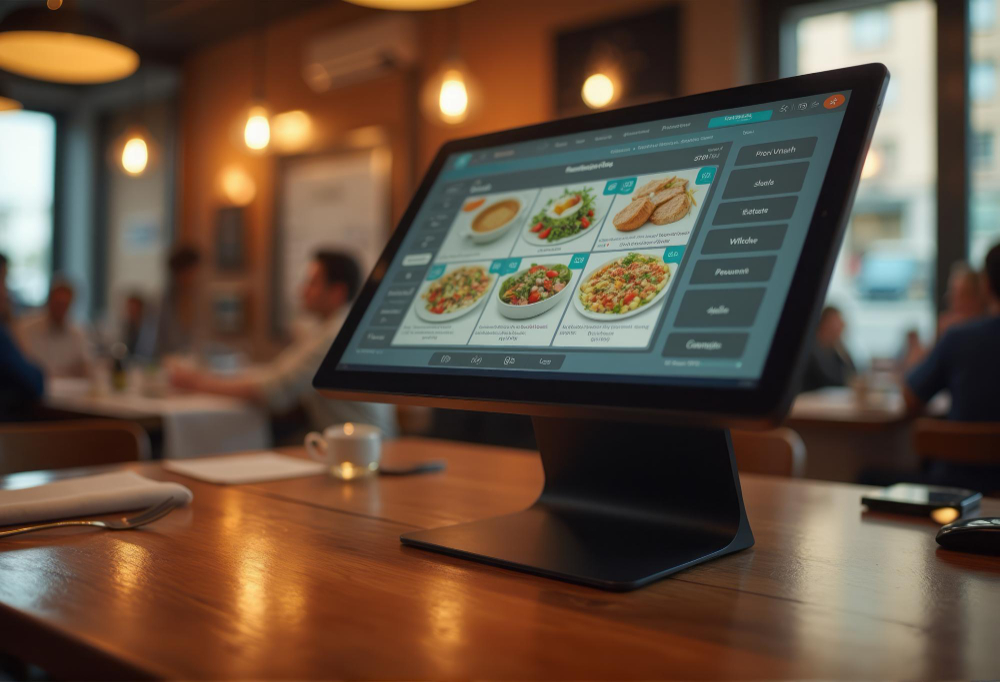
Restaurant management software offers numerous features that significantly enhance the system’s effectiveness. Here are some features that are crucial to help your business continue to grow and become more efficient.
1. All-in-One Solution
An all-in-one restaurant management software consolidates various functions such as POS systems, inventory management, online ordering, and reservations into a single platform. This integrated approach reduces the need for multiple software systems, streamlining your operations and ensuring seamless communication across all departments.
2. User-friendliness
If you provide a system that is difficult for many users to understand, your RMS will not be effective and will be useless. Use user-friendly software so that many people can easily access and use the system. Moreover, a user-friendly platform can not only reach more customers but also reduce your staff’s training time and maintain a steady overflow during busy hours.
3. Hardware Compatibility
To maximise the value of your restaurant management software, it should be compatible with existing hardware such as POS terminals, receipt printers, and tablets. This compatibility ensures that your operations run smoothly without the need for expensive upgrades or additional devices. A system that integrates well with your hardware setup provides a more cohesive and effective management experience.
4. Cloud-based or Online Management
Cloud-based restaurant management software provides the flexibility to access your restaurant’s data from anywhere, whether you are on-site or working remotely. This online capability is essential for owners who need to monitor operations, manage reservations, or review sales data on the go. Cloud-based systems also offer enhanced security and automatic updates, reducing the risk of data loss and ensuring your software is always up to date.
5. Intuitive Menu Configuration
An effective RMS enables you to easily configure and update your menu. This feature allows for quick changes to item descriptions, pricing, or seasonal offerings without requiring technical expertise. An intuitive menu configuration tool ensures your restaurant’s menu remains accurate and aligned with your business goals, allowing for real-time updates that enhance customer satisfaction.
6. Excellent Technical Support
A restaurant management software provider should offer prompt and efficient support to address any technical challenges. Whether it’s a minor glitch or a major system issue, excellent support ensures minimal downtime, allowing your restaurant to continue operating smoothly without disruptions.
7. Quick Loyalty and Reward Implementation
One of the key factors that can sustain a restaurant’s longevity is customer loyalty and repetitive orders. Therefore, implementing loyalty programs and rewards is one way to attract and retain loyal customers. A good RMS makes it easy to implement loyalty and reward programs, offering customers incentives for their continued patronage. It could be a discount, a point system, a voucher, or an exclusive reward that helps you engage with customers and build a strong relationship with them.
8. Reporting Capabilities
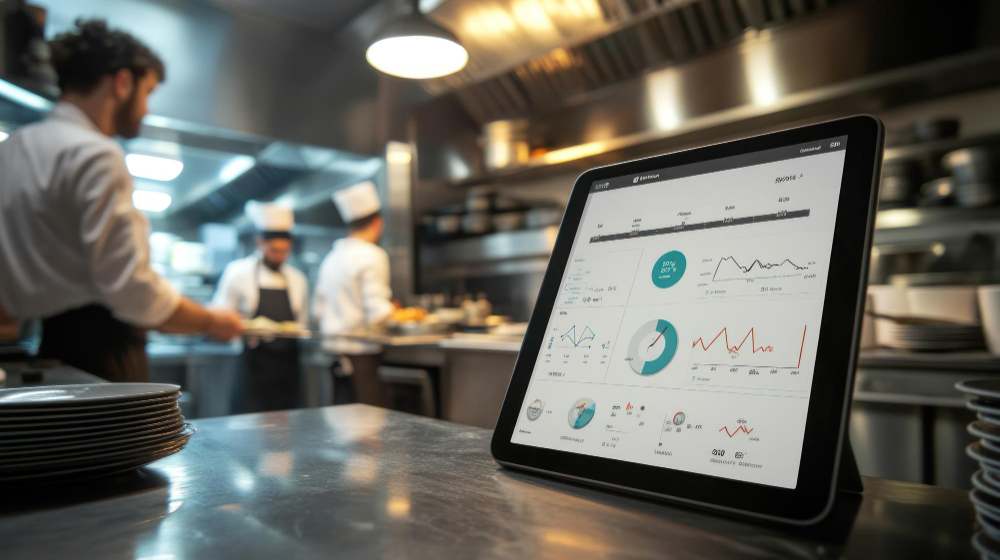
Advanced reporting tools are essential for tracking and analysing your restaurant’s performance. From sales trends to inventory usage, robust reporting capabilities allow you to make informed decisions based on real-time data. A strong reporting feature provides insights that can drive strategic decisions, helping you optimise everything from staffing to marketing campaigns.
What Are The Types of Restaurant Management Software?
Restaurant management software comes in various forms, each tailored to specific needs within the industry. Understanding the different types of systems can help you select the one that best suits your business needs.
Online Ordering System
Having an online ordering system in a restaurant can help your restaurant compete with other competitors. It allows restaurants to increase revenue by conducting transactions online efficiently. You can reach a wider audience with this platform. However, finding the best online ordering system for your restaurant with the same goals will help you increase profits.
Delivery Management Software
Delivery management software is designed to optimise the logistics of food delivery, from dispatching drivers to tracking delivery times. This software ensures that customers receive their orders on time and that delivery operations are managed efficiently, reducing delays and improving customer satisfaction.
POS System
A Point of Sale (POS) system is integral to managing sales, transactions, and customer orders. A well-integrated restaurant POS system not only processes payments but also seamlessly connects to other aspects of the restaurant’s operations, such as inventory tracking and reporting, resulting in a more streamlined and efficient workflow.
Website & App Builder
Visibility and online presence are everything in the digital world. Almost everyone uses their mobile phone to find information about a restaurant or even search for the best restaurant near them for a dining experience. A website builder for a restaurant will make it easier for customers to find information about your restaurant, including your menu, location, and more. A more appealing website and app design are also significant considerations for customers when deciding where to dine.
Inventory Management Software
Inventory management software enables restaurants to effectively track stock levels, manage suppliers, and minimise waste. With this tool, you can ensure your kitchen is always well-stocked, avoid over-ordering, and maintain optimal inventory tracking, contributing to improved operational efficiency.
Reservation Software
Reservation system helps restaurants efficiently manage bookings, optimise seating arrangements, and reduce customer wait times. With features such as online booking, waitlist management, and guest profiles, this software ensures a seamless dining experience from the moment a customer makes a reservation.
Menu Management Systems
To continue providing customers with up-to-date information, you need menu management software that simplifies the update process and streamlines menu management. The features in the menu management system will make it very easy for you to update prices, add new items, and highlight promotions.
Scheduling & Accounting Software
Scheduling and accounting software enable restaurant owners to efficiently manage staff schedules, track payroll, and monitor their financial performance. By automating these tasks, you can focus on delivering excellent service while maintaining your financial stability.
Feedback Software
Feedback software enables restaurants to collect valuable insights from customers, enabling them to improve service quality and enhance customer satisfaction. By monitoring reviews and feedback, you can make informed, data-driven decisions that enhance the dining experience and foster increased customer loyalty.
Social Media Management
Not only can websites and applications help your restaurant increase its online presence. Utilising social media is essential to maximise your restaurant’s visibility. Not only can it reach many new customers, but social media management software also helps restaurants monitor social media activities, engage with customers, and promote new dishes or events, thereby maintaining a consistent online presence.
Best Restaurant Management Software
Below is a selection of top restaurant management software solutions that cater to various business needs:
UpMenu
UpMenu provides an intuitive and powerful platform for online ordering, customer loyalty, and restaurant marketing. Its all-in-one approach is ideal for restaurants looking to streamline their operations and grow their business.
7Shifts
7Shifts is a workforce management solution designed to simplify employee scheduling and communication. Its easy-to-use interface allows managers to create schedules, track hours, and communicate with their teams seamlessly.
Toast
Toast is a comprehensive restaurant management software that offers a robust POS system, online ordering, and detailed reporting. It’s an excellent choice for restaurants seeking an integrated solution to streamline their operations and improve customer service.
Menufy
Another popular online ordering platform is Menufy. Menufy is a superior platform due to various factors, such as its customisable and straightforward online ordering system, which helps restaurants tailor it to their needs. It allows restaurants to manage their delivery services directly, increasing sales and enhancing customer convenience.
Square
Square is a flexible and scalable POS system that integrates well with other restaurant management tools. Its user-friendly interface and additional features, such as online ordering and invoicing, make it a popular choice for restaurants of all sizes.
Sling
Sling is an employee scheduling software designed to optimise shift management. It is ideal for restaurant owners who want to streamline the scheduling process and reduce scheduling conflicts.
Lightspeed
Lightspeed offers a cloud-based POS system with detailed analytics and reporting capabilities. It’s a robust option for restaurants that require an advanced system to manage their operations and gain valuable insights into their business performance.
OpenTable
OpenTable is a leading reservation and guest management system that helps restaurants optimise seating, manage waitlists, and enhance the overall dining experience. It’s a trusted tool for restaurants that value seamless guest interactions.
Restroworks
Restroworks offers an all-in-one solution that includes online ordering, POS management, and marketing automation. This software is designed to streamline restaurant operations and improve customer engagement.
Posist
Posist is a comprehensive restaurant management system that integrates POS, inventory management, and online ordering into one platform. It’s an ideal choice for restaurants looking for a scalable and efficient solution.
TouchBistro
TouchBistro is a user-friendly POS system tailored for restaurants. It includes powerful features such as table management, bill splitting, and customer profiles, which improve operational efficiency and customer service.
Resy
Resy is a reservation system designed to manage bookings, guest lists, and waitlists. Its intuitive interface and powerful management tools make it a popular choice for restaurants looking to optimise their reservations.
BentoBox
To easily access features such as online ordering and reservations, you can use BentoBox because its features are very easy to understand for both restaurant teams and customers. Using BentoBox can also help restaurants gain more visibility.
Owner
Owner is a comprehensive restaurant management system that combines POS, employee scheduling, and reporting tools into one platform. Its simplicity and effectiveness make it an excellent choice for restaurant owners looking for an all-in-one solution.
Bbot
Bbot is a self-service ordering platform that allows customers to place orders directly from their mobile devices. It’s an ideal solution for restaurants looking to reduce human contact and streamline the ordering process.
Olo
Olo is a cloud-based platform that supports online ordering, delivery, and curbside pickup. It integrates well with POS systems and simplifies the process of managing digital orders.
Wix
One website platform that can help you enhance visibility is Wix. Wix provides you with features that are easy to understand and can help you increase your profits with minimal effort. It includes features for online ordering, reservations, and menu management.
Supy
Supy is an all-in-one restaurant management system that includes inventory management, staff scheduling, and POS integration. It’s designed to simplify restaurant operations while improving overall efficiency.
Frequently Asked Questions
How to choose the right restaurant management software?
Choosing the right restaurant management software depends on your restaurant’s specific needs. Consider the size of your business, the features you require, and your budget. Opt for software that integrates seamlessly with your existing systems, is user-friendly, and offers robust reporting features.
Does restaurant management software boost customer engagement?
Yes, restaurant management software can significantly enhance customer engagement. With features like loyalty programs, personalised offers, and efficient online ordering systems, RMS helps build long-term relationships with customers, driving repeat business and boosting customer loyalty.
How much does software cost for a restaurant?
The cost of restaurant management software varies depending on the features and size of your restaurant. Most systems offer subscription-based pricing, with monthly or annual fees. It’s essential to evaluate the cost against the value the software will provide in terms of efficiency, customer experience, and business growth.
Conclusion
Investing in restaurant management software is one of the most strategic decisions a restaurant owner can make. With the right system in place, you can optimise operations, improve customer satisfaction, and drive growth. Carefully assess your restaurant’s needs and select a solution that aligns with your business goals for maximum impact.
Want to take your restaurant to the next level? Discover more expert tips and strategies in SEO for Restaurants to boost efficiency, attract more customers, and grow your business.