

Do you want to have a restaurant business that can survive in a demanding and competitive business environment? Having the right marketing strategy and decisions that are in line with your restaurant’s goals is one of the most effective ways to increase revenue. However, one strategy to help your restaurant grow and enhance its revenue is to calculate the average check size consistently.
The higher it is, the more profitable your business can be. Understanding this number and learning how to improve it can significantly boost your restaurant’s sales and customer satisfaction.
What is the Average Check in a Restaurant?
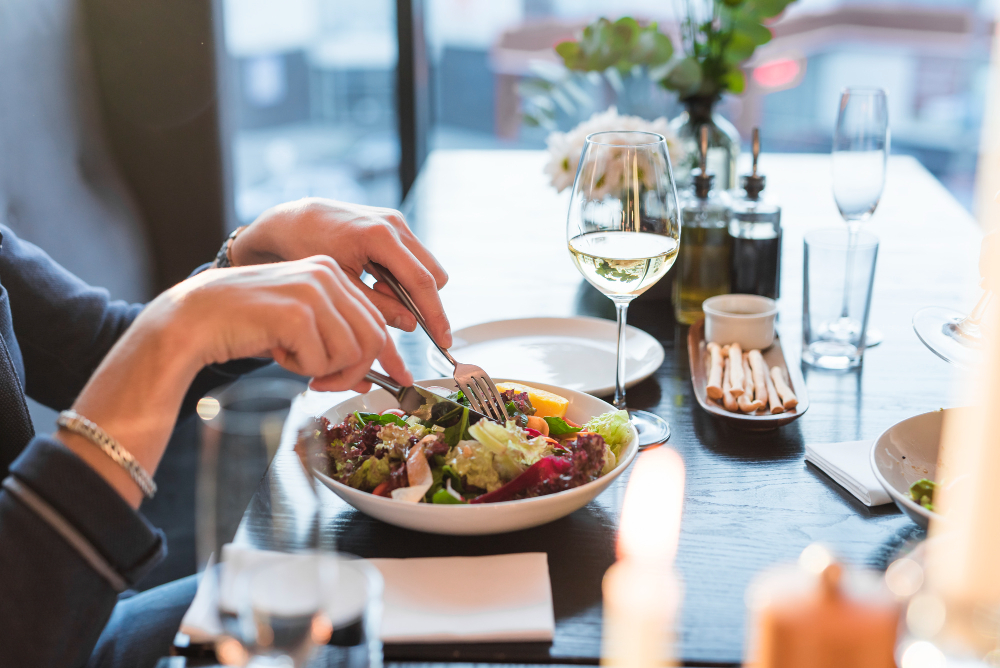
The average check in a restaurant is the average amount spent or the cost incurred by each customer in a single dining experience. It can be food, drinks, dessert, and anything else they order. To calculate it, divide your total sales by the number of guests served over a set period. This number gives you a quick look at how well your restaurant is performing financially and can help identify opportunities to increase revenue. Knowing the average check size consistently will enable you to make the right decisions in the future to increase sales and profits. Moreover, you can adjust the menu pricing and service to lift revenue.
Why is Increasing the Average Check Size Important?
Boosting your average check size directly improves your revenue without relying on more foot traffic. Attracting new guests often costs money in advertising, while increasing spend from existing customers costs little to nothing extra.
A bigger check size also shows stronger customer engagement. If diners are ordering appetisers, sides, desserts, or premium drinks, it means they’re enjoying the experience and trusting your recommendations. Moreover, Higher checks can also offset slow nights or seasonal dips. For example, when bookings are down in winter, a restaurant that has mastered upselling can still maintain a strong cash flow. In today’s competitive market, lifting average spend per guest can be the difference between breaking even and achieving long-term growth.
How to Increase the Average Check Size at Your Restaurant
Even small tweaks in service, menu, and technology can raise your restaurant’s average check. Here are proven strategies to put into action!
Build Your Staff’s Menu Knowledge Through Training
Visitors or consumers will prefer to come to restaurants that have staff with a high understanding of their products. It allows consumers to get menu recommendations according to their needs or preferences.
Therefore, understanding each menu item can be achieved by training staff. Providing knowledge and detailed explanations of each menu item will likely increase the average check size of the restaurant.
Offer Combo Meals and Bundles
Bundles offer customers various types of products or multiple products in one package at a lower total price than buying individual products. It encourages many people to purchase bundle products, as they can get many products at a discounted price, ultimately helping to increase average check size. However, it can boost the restaurant’s average check size due to the large number of products purchased.
Master the Cross-Sell and Upsell
Cross-selling and upselling have different meanings but share the same goal: to increase sales and the average check size. Cross-selling means suggesting related or complementary items, such as pairings on a menu, to encourage customers to spend more. On the other hand, upselling is a strategy to get consumers to purchase add-ons, premium menu items, or upgraded menu items, such as upgrading to a larger steak cut. Both methods add flavor to the meal and dollars to the bill.
Offer Online Ordering
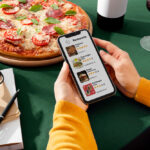
Fast and easy transactions and ordering processes are what all customers want; they don’t want to wait long for their food or drinks. Therefore, online ordering is the most appropriate solution to this problem. However, customers also don’t need to go to the restaurant to get their food; they can be anywhere and still place their orders. The importance of online ordering requires you to implement it in your restaurant using the best online ordering system.
Engineering Your Menu the Right Way
Offering an appealing and attractive restaurant menu design will attract the attention of customers and visitors. It determines whether the products you offer are suitable for customers and also determines their final decision on whether to have a dining experience at your restaurant or not. Therefore, a well-engineered menu subtly guides customers toward higher spend choices.
Implement a loyalty program
A loyalty program is a marketing strategy that provides excellent benefits for restaurants, including the ability to encourage customers to return frequently. This is because there are various attractive offers in the program, such as vouchers or special menus on specific days, and so on. In addition to increasing sales and average check size, loyalty programs also build strong engagement and relationships with customers.
Check On Guests Often
Providing services that meet the primary needs of consumers is a priority for restaurants. One way to stay informed about what services or aspects of your restaurant need to be upgraded is to check on guests more often. You can provide a review section on your Google Business Profile, restaurant professional website, and social media. Knowing and trying to follow customer suggestions will show that you value their opinions and gently prompt them to order more.
Use Technology to Your Advantage
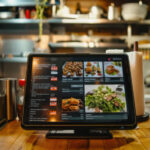
There are many tools and features involving technology for restaurants, requiring restaurant owners to be knowledgeable and aware of them. Applying technology in your business offers numerous practical and efficient solutions, as well as multiple benefits. It can help you make transactions faster, such as using QR code menus, online payments, and online ordering apps, all of which can increase average check size. Moreover, it also makes your restaurant stand out from many competitors because it offers a very convenient and fast service.
Reduce No-Shows
Too many empty tables certainly mean that your restaurant is not making much profit, which will kill revenue. Therefore, keep those tables full by using a simple deposit system, text reminders for customers who want to make reservations, or easy online cancellations. By doing these things, you can reduce no-shows and increase overall sales.
Suggest Pairings
To increase menu purchases, suggesting pairings to customers is definitely worth a try! This type of marketing strategy makes consumers more likely to buy menu pairings to get the perfect combination! For example, offering a pasta combo with wine will undoubtedly enhance the dining experience for your restaurant visitors.
Frequently Asked Questions
What is the average check size for a typical dine-in restaurant customer?
It depends on location and cuisine, but for many casual dine-in restaurants, the average check size sits between $20–$40 per guest. Fine dining venues can go much higher, often $80 or more.
How to calculate average check size?
Divide total sales by the number of customers served in the same period. For instance, if a restaurant makes $5,000 from 200 customers, the average check size is $25.
What’s a good size for a restaurant?
There isn’t a one-size-fits-all number to increase average check size. A good check size depends on your costs, menu, and location. What matters is consistent growth and reaching a figure that supports strong profit margins for your business.
Conclusion
Growing your average check size doesn’t mean pushing diners to spend for the sake of it. It’s about improving their experience, offering value, and presenting choices that make sense. By training staff, using smart menu design, and embracing technology, restaurants can boost sales while keeping customers happy.
Want to grow your restaurant’s bookings and revenue? Visit SEO for Restaurants to learn how to increase revenue in the restaurant industry effectively.