

Having a well-developed marketing strategy that is continually refined each year can help increase your business’s market share in the restaurant industry. Achieving sustainable profits in a competitive market is very challenging, so restaurants face significant long-term challenges in maintaining their business. However, by utilising and optimizing technologies such as online food delivery statistics and other digital tools, your restaurant can become more competitive and outperform its competitors.
Why is online food delivery popular?
Effective time management
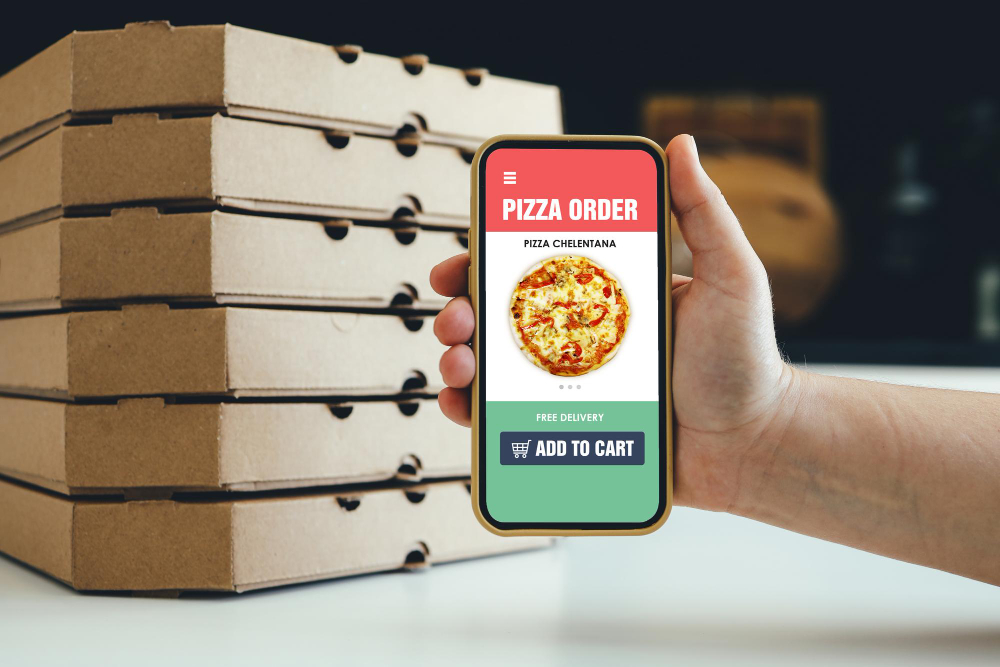
One of the biggest advantages of using an online food delivery system is the time it saves for customers, as they no longer need to visit a physical restaurant to enjoy their meals. The process is faster and more efficient because there’s no waiting in line, just a few simple steps, and your order is placed. Customers can also order from anywhere, at any time, as long as the restaurant is open. That’s why delivery services for restaurants are a smart choice, offering convenience, speed, and effective time management for today’s busy diners.
Unmatched convenience
The use of websites or applications for an easy delivery system makes it unmatched in convenience. You don’t need to go through many complicated and convoluted steps, as you only need to select the restaurant you want, choose your menu, and make a payment to receive final confirmation of your order.
Then, you just have to wait for your food to be delivered to your desired location. Whether it’s a quick lunch in the middle of a busy workday or a weekend dinner, food delivery services ensure you get what you want when you need it, without the hassle of leaving your home.
Transparency and user-friendliness
Every online delivery system provides clear transparency to customers, enabling them to access the information they need. For example, customers can track their orders in real-time and use the chat feature during the ordering process to help resolve any issues that may arise. Additionally, this system provides customers with the opportunity to offer suggestions and feedback, enabling restaurants to improve their products and delivery systems.
Diverse culinary experiences
Online food delivery systems or websites offer a wide range of choices, from local favorites to international cuisines, rather than just one type of restaurant. It aims to target a broader range of customers and give them the freedom to choose the kind of dish that suits their preferences. The variety of restaurants and menus available allows customers to explore new culinary experiences that are sure to be both good and enjoyable.
The current landscape of third-party delivery
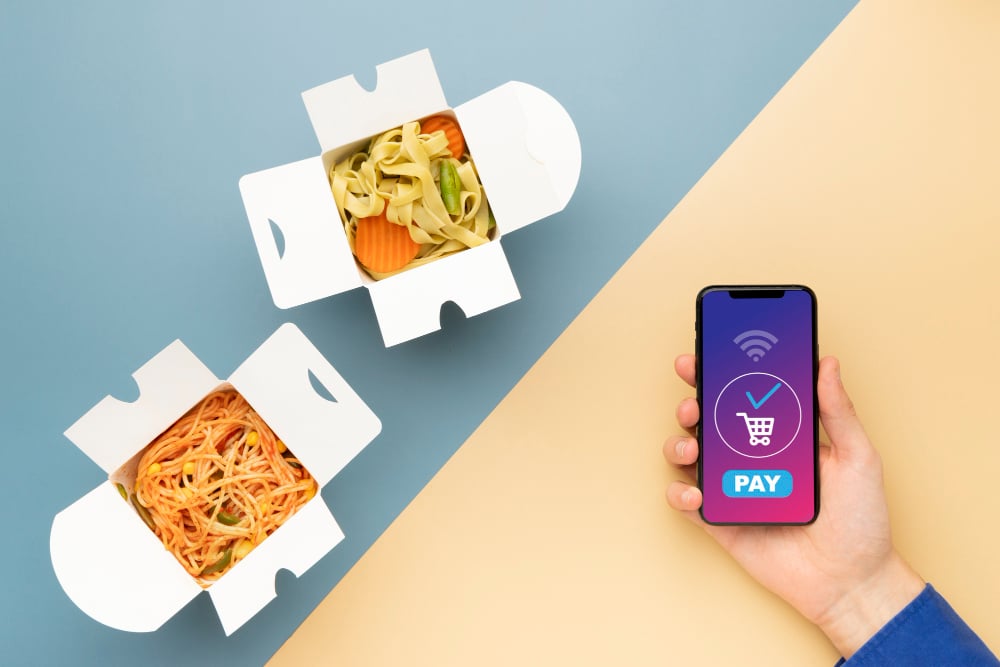
Third-party delivery platforms, such as Uber Eats, DoorDash, and Deliveroo, are dominating the food delivery market. These platforms have made it easier for restaurants, both large and small, to reach a broader customer base without having to invest in their own delivery infrastructure. For restaurants, partnering with these services provides a cost-effective way to expand their reach while maintaining a streamlined operation.
However, these platforms come with their own challenges, including high commission fees and the potential loss of direct customer relationships. Despite these drawbacks, third-party delivery services continue to thrive, with customers appreciating the convenience, speed, and variety they offer.
Key Food Delivery Statistics
The online food delivery industry is a massive sector, with key statistics highlighting its rapid growth and widespread adoption. The global online food delivery market is projected to surpass USD 200 billion by 2025, with a compound annual growth rate (CAGR) of 11.51%. In 2020 alone, 70% of consumers in the US ordered food online at least once a month, and the number continues to rise as more people turn to digital platforms for food delivery.
In Australia, the food delivery market was valued at AUD 2.1 billion in 2020, with major players like Uber Eats and Menulog dominating the space. Younger generations do not just drive the trend towards online food ordering; 45% of Australians aged 45 to 64 are also opting for food delivery services.
Top Food Delivery Apps
There are numerous options for the best online ordering system for restaurants that you can apply to your own restaurant. However, they have many different advantages and disadvantages, so it is necessary to conduct some research to find the delivery system that best suits your restaurant’s needs and priorities.
Several food delivery apps that many people already trust include Uber Eats, DoorDash, and Menulog. These apps excel in providing restaurants with visibility and also offer digital tools that make it easier for both restaurants and customers to place orders. The strong presence of these apps enables your restaurant to attract a large number of new customers and compete effectively with other businesses.
Food delivery market size by country: How big is the food delivery industry?
China
The effectiveness of online delivery systems is a popular trend in several countries, such as China. However, China is the largest market for mobile app for restaurants, with market revenues reaching over USD 38 billion in 2020. The primary reasons for this high market value are the busy urban lifestyles and the constant need for adaptation to new, more efficient technologies. As a result, food delivery services in China continue to grow and are even expanding rapidly.
United Kingdom
In the UK, the food delivery market was valued at over GBP 4.3 billion in 2020, with a significant rise in demand during the pandemic. The COVID-19 pandemic, which forced many people to stay at home, meant that they were unable to enjoy offline dining experiences. Therefore, they began to widely use online delivery systems, which require less effort and reduce the potential for physical contact with other people.
United States
The US food delivery market has experienced substantial growth, reaching a value of USD 26 billion in 2020. There are many delivery platforms commonly used, such as Uber Eats and DoorDash (the most popular websites in the US), and Grubhub, which people use in their daily lives. Online ordering remains a growing trend due to the numerous benefits it offers customers.
South Korea
Like the UK and China, online ordering app in South Korea began to develop in 2020, with an industry value of USD 4.6 billion. With its ease of use and accessibility via mobile phones, online ordering is a trend that provides convenience for Koreans to make transactions.
India
India’s food delivery market is valued at USD 4.5 billion in 2020 and is projected to grow significantly in the coming years. Major players, such as Zomato and Swiggy, are experiencing an increasing demand for food delivery services, particularly in urban areas. As internet penetration continues to rise, food delivery services are expected to become more accessible to a broader audience.
5 common industry setbacks
Driver management
Because the ordering process relies on drivers, there are many possibilities for obstacles in the online delivery system. An example is the length of time it takes for an order to arrive, as the food must be delivered first, especially during peak hours and rush hours. This problem can be overcome by optimizing routes and providing delivery time tracking, which gives customers transparency.
Maintaining food quality
Not all food can be guaranteed to have the same quality when delivered, as it is not consumed immediately after being cooked in the restaurant. Generally, there is a high potential for food to have a different texture or even taste differently due to the ordering process, which takes some time. Using suitable packaging for restaurant menus is one good step and solution to prevent these possibilities.
Restaurant integration
Not all restaurants are equipped for seamless integration with food delivery platforms. Smaller restaurants may lack the technology or resources to manage online orders efficiently. This can lead to delayed deliveries, order mix-ups, and customer dissatisfaction.
Competition
As many restaurants in various countries implement online delivery systems to boost their sales, this also intensifies competition with rival restaurants. This forces restaurant owners to determine the best and most unique steps to make their restaurants stand out from the rest. You can make the menu more appealing or offer better deals to attract more customers.
Technological advancements
Utilising online food delivery statistics requires being aware of technology and digital features to achieve maximum results and sustainable profits. Therefore, technological innovations play a crucial role in the food delivery industry. To keep your delivery system running smoothly, you can constantly update your apps and incorporate new features such as AI-powered order suggestions, real-time tracking, and customer loyalty programs.
Best practices to maximise your food delivery integration based on online food delivery industry statistics
Ensure a customer-centric digital menu
Having a menu that attracts customers and makes it easy for them to check your products is an advantage. You can optimize your menu by providing a digital menu that can be accessed on your restaurant’s website and social media, giving customers an overview of your products. You can also offer appealing, high-quality menu pictures to ensure the menu looks attractive and tempting.
Customise your menu
Providing a new experience for customers will increase the appeal of your restaurant. Creating a customized menu not only allows customers to get their preferred choices but also keeps them from getting bored and encourages repeat orders. With a customized menu, you can boost sales and customer loyalty.
Make QR code menus for better accessibility
Everything related to technology makes many people prefer to visit tech-savvy restaurants, where the restaurant provides convenience for its customers. For example, a QR code menu for restaurants will make it easier for customers to access the menu and also reduce physical contact with many people.
Constantly update omnichannel ordering systems
Omnichannel ordering systems enable customers to place orders across multiple platforms, including your website, third-party apps, and in-store. It’s essential to keep these systems up to date to ensure orders are processed seamlessly across all channels. An integrated system and online food delivery statistics could improve customer satisfaction.
Manage orders with an interactive restaurant menu software
Using interactive menu software allows restaurants to streamline their order management process. These systems can track orders in real-time, offer recommendations based on customer preferences, and ensure smoother operations. By integrating these tools into your business, you can enhance the overall efficiency of your food delivery operations.
The future of the food delivery market
The future of online food delivery statistics appears promising, with continued growth anticipated in both global and local markets. As more people turn to online platforms for convenience, food delivery companies will increasingly focus on improving customer experiences. Innovations in delivery technology, such as drones and automated delivery vehicles, may revolutionise the way food is delivered in the near future.
Frequently Asked Questions
Is online food delivery profitable?
Yes, understanding about online food delivery statistics can be very profitable. With the increasing number of consumers choosing delivery over dining out, platforms and restaurants alike are benefiting from high-volume orders. While commission fees can be high for third-party platforms, restaurants can still achieve a strong return on investment by expanding their customer base.
What makes the most money delivering food?
Delivering food for platforms like Uber Eats or DoorDash can be profitable if drivers are in high-demand areas. Drivers typically earn more in busy urban centres, especially during peak hours or holidays. Tips also play a significant role in increasing earnings.
How can I maximise earnings by delivering food?
To maximise earnings, food delivery drivers should focus on working during peak times, such as lunch and dinner rush hours. Being in areas with high order volume and using multiple delivery apps simultaneously can also increase earnings. Providing great customer service and earning tips will further boost income.
Conclusion
Online food delivery statistics is more than just a trend; it’s a robust industry reshaping how people dine and how restaurants operate. With the right strategies, restaurants can thrive in this competitive space, while customers enjoy the convenience of having meals delivered straight to their doorsteps.
Looking to take your restaurant’s marketing to the next level? SEO for Restaurants provides expert strategies to help you attract more customers, enhance online visibility, and increase bookings.