
Quick, think about your favorite dining spot! Now, think about its location—where is it located? Is it within a bustling area? What about the nearby public transportation? In fact, a restaurant location likely plays a big role in why you love it.
Whether you’re in a crowded city or a charming neighborhood, a restaurant spot can make or break your business. It’s not only about foot traffic; it’s also about finding a place that fits your brand and draws your target customers.
Want to know more about how to choose the perfect location for your restaurant? Read on to learn more!
What is Restaurant Location Analysis?
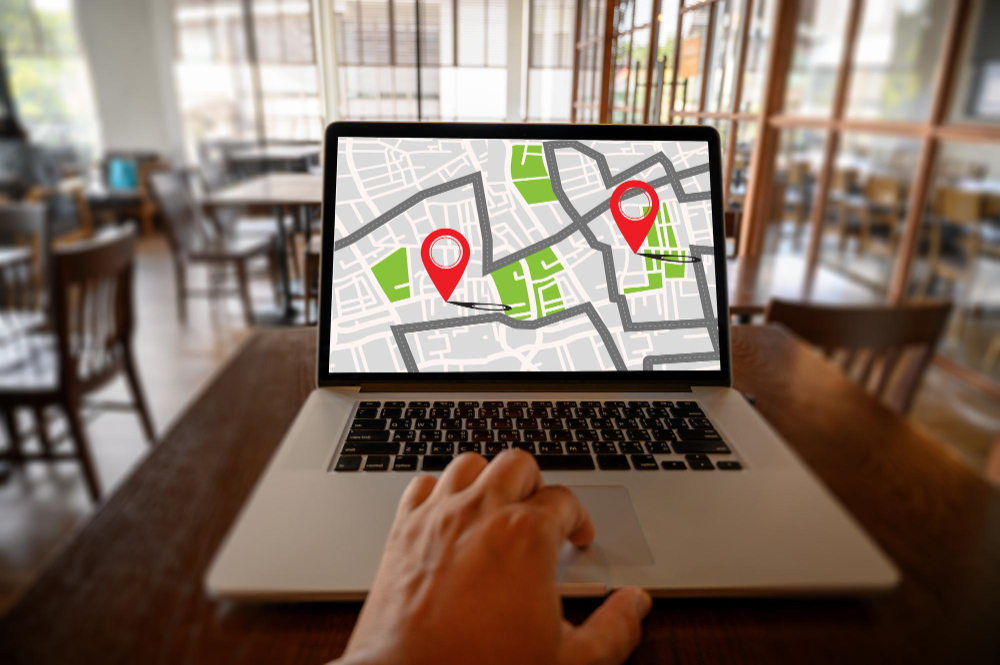
Restaurant location analysis is the strategic process of evaluating potential sites for a new eatery. This involves examining factors like foot traffic, competition, visibility, accessibility, and demographics.
Similarly, it’s also about understanding the local market and ensuring the location matches your restaurant’s brand and target audience.
Ultimately, restaurant location analysis helps you find the perfect spot where your business can attract and retain customers effectively.
Why Does Your Restaurant’s Location Matter?

Experts agree that a thorough location analysis can greatly influence a restaurant’s success.
A study reveals that restaurant location is crucial for success, with factors like accessibility, commercial land use, building capacity, existing restaurant density, and house price playing important roles in their rise and fall.
However, it’s not just about being in a busy spot; the location must also cater to local dining preferences.
For example, a family-friendly restaurant will thrive in a residential area, while a trendy café might do better in a crowded downtown district.
How to Choose the Right Restaurant Location

Think about Your Target Customers
Consider where your target customers live, work, and socialize. Are you aiming for young professionals, families, or tourists? Each group frequents different areas.
Aligning your location with your target demographic ensures a steady stream of business and satisfied customers.
For instance, a fast-food restaurant is perfect for a grab-and-go meal during a vacation in a bustling tourist area.
Accessibility and Visibility
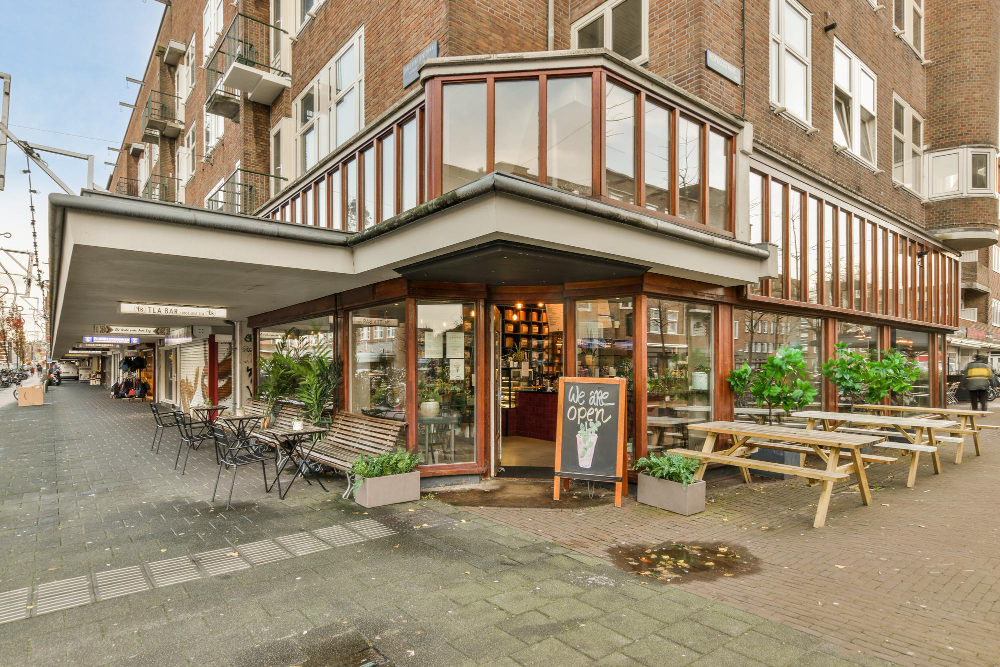
Your restaurant needs to be easy to find and reach. Locations near main roads, public transportation, and ample parking are ideal.
In addition, high visibility ensures that passersby notice your restaurant, potentially increasing walk-in traffic.
Ensure your restaurant stands out with clear signage and a convenient entrance, encouraging regular visits from customers.
Size
The size of your restaurant should match your concept and customer expectations.
For example, a cozy café requires less space than a large family restaurant.
For streamlined operations, ensure there’s enough room for dining, kitchen operations, and storage.
You also need to consider future growth when choosing a size; it’s better to have a bit more space than not enough, allowing your business to expand as needed.
Weigh the Costs for a Premium Restaurant Location
Premium locations come with higher costs but offer significant advantages like increased foot traffic and prestige.
Hence, it’s important to weigh the higher rent against the potential for greater customer turnout and higher sales.
Sometimes, a higher upfront cost can lead to better long-term profitability.
However, a newbie restaurant with a small budget can consider mobile locations, like food trucks, to press their rent budget.
Neighborhood Safety
Safety is an ultimate priority when choosing a location. Customers need to feel secure when visiting your restaurant. Begin by researching crime rates and local news to gauge the area’s safety.
A safe neighborhood attracts more customers and ensures the well-being of your staff and a positive dining experience.
Avoid Competition
While competition can be healthy, too much of it can be detrimental. Research nearby restaurants to understand their offerings. Avoid choosing a location with a nearby competition restaurant, especially if they’re already years in business.
Instead, choose a location where your restaurant can pop up and fill a gap in the market.
This strategy helps attract customers looking for something unique without being overshadowed by numerous similar establishments.
Consider Setting Up Shop at Collective Venues
Collective venues like food halls and markets offer unique opportunities. They attract diverse crowds and reduce marketing costs through shared foot traffic.
It’s very beneficial, especially if you’re a newbie in the industry, as such venues often have lower startup costs and provide a community atmosphere.
Setting up shop at a collective venue can be a great way to test your concept before expanding to a standalone location.
Frequently Asked Questions
What is the ideal demographic profile for a successful restaurant, and how do I find it?
Identify your target customer’s age, income, and dining preferences using market research, surveys, Google Analytics, and social media insights.
What are the key lease terms and negotiation strategies to look for when securing a restaurant location?
Focus on rent, lease length, renewal options, and maintenance. Negotiate for rent discounts, flexible terms, and tenant improvement allowances. For informed decisions, consult a real estate attorney.
What role does technology play in finding the perfect restaurant location, and what tools should I use?
Technology helps analyze demographics, foot traffic, and competition. Use tools like GIS software, location analytics platforms, and mobile data insights, such as Placer.ai and Esri.
Conclusion
Choosing the right location for your restaurant is important for success. From understanding your target customers to ensuring visibility and neighborhood safety, every detail matters. While finding the perfect spot can be challenging, it’s a crucial step for your newly-established business.
Need help making your new restaurant thrive? Contact SEO for Restaurants for personalized marketing strategies tailored to your restaurant needs. Let’s work together to make your restaurant the next local favorite!