
Food delivery is growing fast. In 2023, the U.S. market hit $29.1 billion. Many drivers use these gigs as a side hustle, and restaurants have started to rely on Uber Eats, DoorDash, and Grubhub to attract customers and increase sales.
Each delivery platform has its own fees, reach, and benefits. So, which one offers the best earnings for your restaurant?
This guide covers everything you need to consider about Uber Eats vs DoorDash vs Grubhub, covering fees, features, and key differences.
Read on to find out which platform can help you earn more!
Key Takeaways:
- Food delivery apps boost restaurant sales: Uber Eats, DoorDash, and Grubhub expand reach, streamline orders, and offer built-in marketing.
- Fees and features vary: DoorDash has a high volume but charges up to 30%. Grubhub offers lower fees (5-15%) with self-delivery. Uber Eats excels in cities but has high costs.
- The best choice depends on goals: DoorDash drives orders, Grubhub offers fee flexibility, and Uber Eats taps into urban markets. Compare costs and reach to maximize profits.
What are Food Delivery Services?
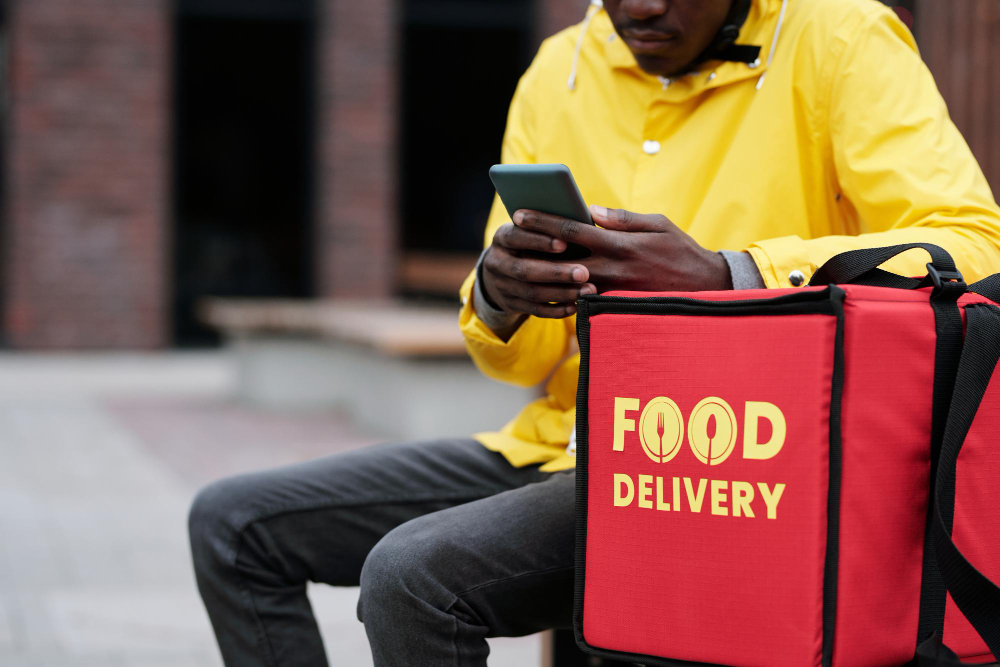
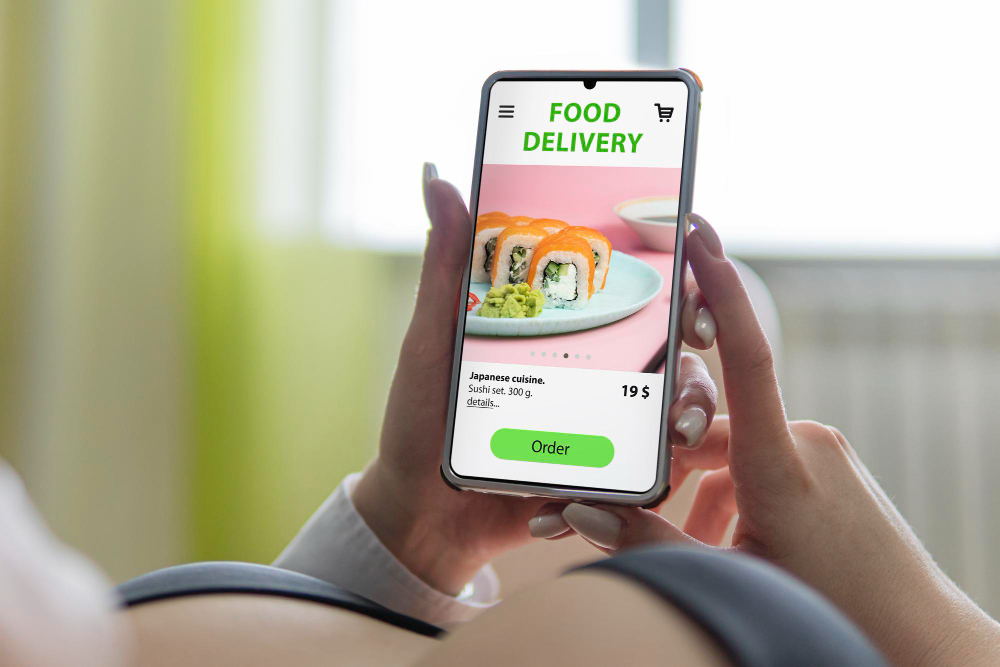
Food delivery services are businesses that make it easy to order meals from local restaurants using apps or websites. Once you place an order, the restaurant prepares the food, and a delivery driver brings it to your door.
These services are more popular than ever because they offer convenience, fast delivery, and many restaurant choices. Apps like DoorDash and DoorDash alternatives such as GrubHub and Uber Eats provide reliable options for both customers and restaurants.
Advantages of Food Delivery Apps for Restaurant Owners
Food delivery apps like Uber Eats, DoorDash, and Grubhub help restaurants grow by expanding reach, increasing sales, and improving efficiency.
These apps attract more customers, leading to higher sales while also reducing marketing costs through built-in visibility and promotions.
Additionally, they improve operational efficiency by minimizing order errors and streamlining the ordering process. While revenue sharing is a factor, sales enhancement strategies help balance profits.
Most importantly, these platforms offer valuable customer data, allowing restaurants to track preferences and peak hours to optimize their business.
Overview of the Big Three: DoorDash, Grubhub, and Uber Eats
These three food delivery apps are topping the charts with a large user base. Restaurant owners should compare them closely to choose the best fit.
We’ve already covered How much does DoorDash cost and its pricing structure. Now, let’s compare it with Uber Eats and Grubhub. Here’s a quick overview.
Key Features and Offerings
DoorDash
DoorDash offers wide market coverage, reaching both urban and suburban areas. The DoorDash Drive feature allows your restaurant to use DoorDash’s network for your own orders. Plus, the DashPass subscription attracts repeat customers by offering free delivery on eligible orders.
A unique offering from this platform is “DoubleDash”, which lets customers add items from nearby stores in a single order.
Grubhub
Grubhub provides flexible commission structures and allows your restaurant to process your own deliveries using Grubhub’s ordering system. It also integrates with restaurant loyalty programs, helping your business retain customers.
The standout feature of this platform is the Grubhub Guarantee, which offers refunds or discounts for late deliveries. On top of that, this platform has been operating longer than DoorDash and Uber Eats, so it has a more extensive, loyal customer base.
Uber Eats
Uber Eats features strong app integration with Uber’s rideshare service. This exposes your restaurant to a massive user base. It offers advanced marketing tools, including promotions and ad placements.
A unique offering is “Uber One”, a subscription that provides savings on both food and rides. This feature encourages frequent orders from high-value customers.
Service and Commission Fees
DoorDash
DoorDash charges a 15-30% commission, depending on the plan. Restaurants can choose from Basic (15%), Plus (25%), or Premier (30%).
Higher-tier plans offer better app visibility and lower customer delivery fees. Additional fees apply for in-app promotions and advertising.
Grubhub
Grubhub’s service and commission fees start at 5% for the Basic package and go up to 15% for the Premium package, with flexible pricing based on restaurant needs.
Unlike other platforms, Grubhub allows restaurants to process their own deliveries, potentially lowering costs. Restaurants can also pay extra for priority placement in search results, which increases visibility.
Uber Eats
Uber Eats charges up to 30%, with fees varying based on delivery options, marketing, and app visibility. Higher plans offer better placement in the app and reduced delivery fees for customers.
Delivery and Customer Fees
DoorDash
Delivery fees on DoorDash vary based on distance, order size, and demand. Meanwhile, customers who are DashPass members get $0 delivery fees and lower service fees on eligible orders.
However, restaurants may pay additional service fees to lower delivery costs for customers, making their listings more appealing.
Grubhub
Grubhub allows restaurants to set their delivery fees if they use their drivers, giving you control over how much the delivery fee is for your customers. For orders fulfilled by Grubhub’s drivers, delivery fees are set at 10% per delivery.
Meanwhile, Grubhub+ members receive free delivery on eligible orders, which can help restaurants attract repeat customers while eliminating the question of how much a delivery fee is for loyal patrons.
Uber Eats
Uber Eats charges customers a delivery fee depending on distance, restaurant demand, and surge pricing. Meanwhile, Uber One members get free delivery on eligible orders.
A service fee of about 10% of the order total applies before discounts, with minimum and maximum limits shown at checkout.
Restaurants can also pay fees up to 30% fee for delivery orders.
How Do You Choose Uber Eats vs Doordash vs Grubhub for Your Restaurant?
Choosing the right food delivery platform can impact your restaurant’s sales, costs, and customer reach. Uber Eats, DoorDash, and Grubhub each offer different features, fees, and benefits.
To make the best choice, restaurant owners should compare important aspects.
Comparing their features side by side can help you decide which service fits your business needs. Check out this table:
| Category | Uber Eats | DoorDash | Grubhub |
| Commission Fees | Up to 30% (higher for premium features) | 15–30% based on plan | 5–15% (Basic to Premium plan) |
| Delivery Fees | Varies based on distance and demand, Uber One members get free delivery | $2–$6, lower with DashPass, additional restaurant service fees may apply | 10% per delivery (if using Grubhub drivers), restaurants can set their own fees |
| Subscription Perks | Uber One (free delivery, discounts) | DashPass (free delivery) | Grubhub+ (free delivery) |
| Marketing Tools | Paid promotions, ad placements | Featured listings, in-app ads | Priority placement in search results |
| Unique Features | Uber One savings on food & rides, strong app visibility | DoubleDash (add items from other stores) | Grubhub Guarantee (refunds for late orders) |
| Customer Base | Large, strong urban presence | Largest U.S. market share | Smaller but loyal customer base |
| Order Volume | High in urban areas, lower in suburbs | High in both urban and suburban areas | Moderate, varies by location |
| Integration Options | POS integrations available (Square, Toast, etc.) | POS integrations, first-party delivery | POS integrations, first-party delivery |
| Support for Restaurants | Basic support, harder-to-reach reps | Account managers for top sellers | Dedicated restaurant support |
| Contract Flexibility | Locked into the commission structure | Flexible plans, easier to adjust | More control over fees and delivery |
| Delivery Coverage | Strong in cities, weaker in rural areas | Wide reach, including suburban areas | Covers most major cities and towns |
| Self-Delivery Option | No self-delivery option | Available for restaurants | Available for restaurants |
This table provides a clear comparison of each platform’s strengths and weaknesses, helping restaurant owners choose the best fit.
Here’s a breakdown of the pros and cons:
| Platform | Pros | Cons |
| DoorDash | Largest customer base, high order volume | Higher commissions (up to 30%) |
| Grubhub | Lower fees for self-delivery, established brand | Smaller customer base than DoorDash |
| Uber Eats | Strong marketing tools, large urban reach | High commission fees, less control for restaurants |
Frequently Asked Questions
Who pays more, Uber Eats, DoorDash or Grubhub?
Earnings depend on commission rates, order volume, and promotions. DoorDash often brings higher sales, while Grubhub offers more control over fees, and Uber Eats has a large urban customer base.
Is it better to be a DoorDash or Grubhub?
DoorDash has a larger customer base, leading to more orders, while Grubhub provides flexible delivery options and lower fees for self-delivery restaurants.
What is the most expensive food delivery app?
Uber Eats and DoorDash can charge up to 30% in commissions, but DoorDash offers lower-cost plans, while Grubhub provides flexible pricing.
Conclusion
Uber Eats vs DoorDash vs Grubhub each offer different benefits for restaurants. DoorDash has the largest market share, Grubhub provides flexible delivery options, and Uber Eats integrates well with its rideshare service. Understanding fees, customer reach, and delivery options helps restaurants maximize profits.
So, which one should you choose? It depends on your restaurant’s needs. Our guide breaks down the key differences to help you decide.
While delivery apps help restaurants grow, relying on them alone isn’t enough. A strong SEO for Restaurants strategy ensures your business ranks higher on Google, bringing in more direct orders and reducing commission costs.
For expert help in optimizing your restaurant’s online presence and profits, contact us at SEO for Restaurants today!