

Safety plays a significant role in every industry, including restaurants. How can you ensure that your beloved dining spot follows restaurant safety best practices to keep staff and customers safe?
Addressing every aspect of restaurant safety is important, from precautions against illness and disease to clear rules that tackle various scenarios. By following these tips, you will contribute to protecting your community while keeping your business thriving.
Want to keep your restaurant safe? Read our compiled practical restaurant safety tips to apply to your restaurants and ensure a safe, welcoming space for all!
Monitor Employee Health

Your employee health is a top priority in the workplace, especially after scenarios like the COVID-19 pandemic. Thus, it’s important to do regular checks to ensure staff are in good health and address potential illness before it spreads.
Key aspects of health monitoring can include signs of illness, hygiene habits, and general well-being.
Restaurants should also set clear rules for restaurant workers to report symptoms and stay home if unwell.
Keep the Floor Clean
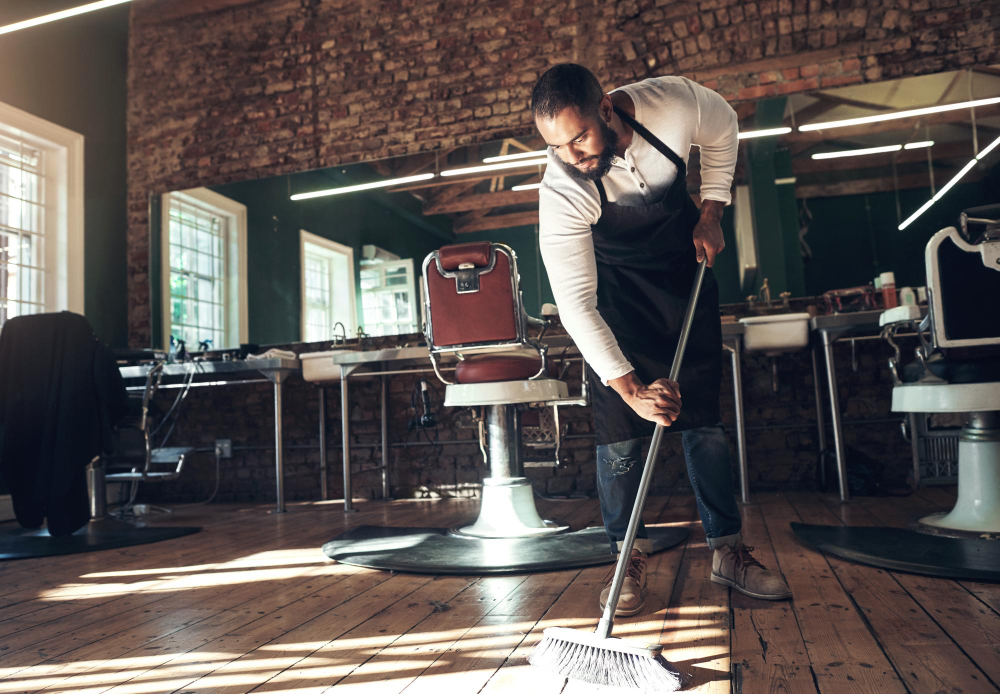
Dirty floors can lead to incidents such as slips and falls, risking the safety of everyone in the restaurant. To address this, ensure that spills are cleaned up quickly, clutter is removed, and the floor is regularly maintained.
To prevent potential accidents due to floors, you can put up clear signage for wet areas and follow best practices for storing cleaning tools.
Have a Strict Cleaning Schedule

Make a clear cleaning routine to address areas that need regular attention. You can focus on these high-traffic spots:
- Dining tables
- Chairs
- Kitchen surfaces
- Floors
- Door handles
- Bathrooms
- Counters
Additionally, make sure necessary cleaning items such as disinfectants, mops, and sanitizers are available, away from the food, and easily accessible for your staff.
Prepare Signage

Clear signage plays an important role in restaurant safety, helping to prevent accidents and address potential hazards. Placing visible, easy-to-read signs in key areas can alert staff and customers of possible injuries and illnesses, such as spills or cleaning in progress. This will also improve the guest experience.
Common signages for restaurant safety include:
- Wet Floor
- Staff Only
- Wash Hands
- Mind Your Step
- Fire Exit
- No Smoking
- Cleaning in Progress
Offer Staff Protective Attire
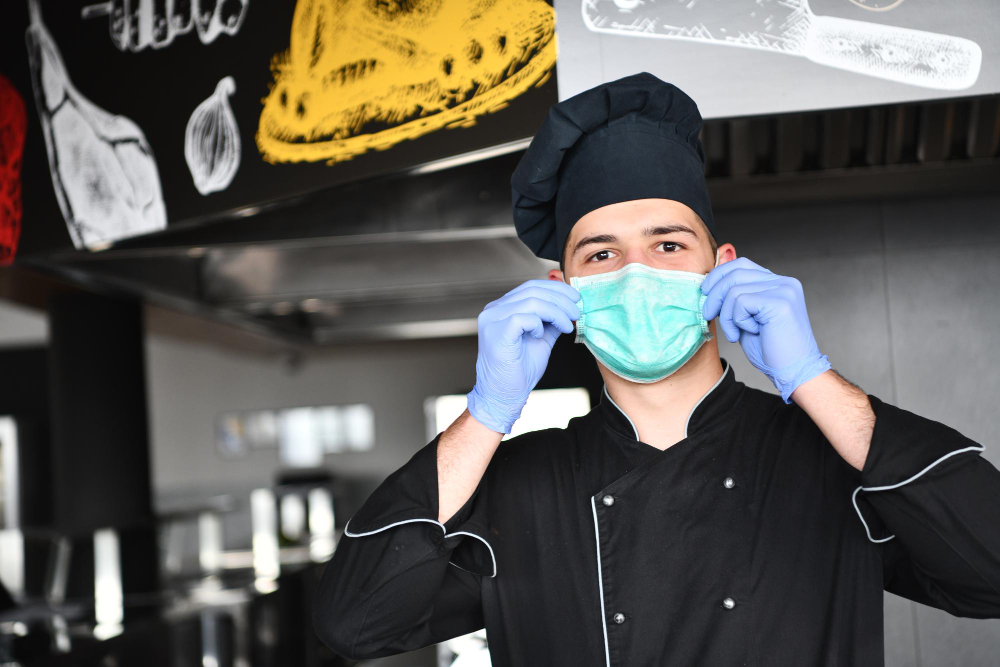
Your staff’s safety matters; it’s part of restaurant safety. One way to ensure staff safety is to provide protective attire for work purposes.
Here are some items to consider:
- Non-slip Shoes: Helps prevent accidents like slips on wet or greasy floors.
- Aprons: Protects staff from spills, splashes, and stains during busy shifts.
- Hairnets or Hats: Ensures hygiene by preventing food contamination.
- Heat-resistant Gloves: Safeguards hands when handling hot equipment or dishes.
- Face Masks: Prevents the spread of illness, keeping staff and customers safe (especially during the pandemic).
- Protective Eyewear: Useful for staff working with cleaning chemicals.
Follow Food Hygiene Regulations

As the owner, you must follow local authority rules for handling, preparing, and storing food correctly. Educating your staff on hygiene best practices is also essential, addressing key areas like food handling, storage temperatures, and cleanliness.
Clear rules and ongoing safety training will help employees understand the importance of food safety and protect your customers and business.
Make Indoor Dining Adjustments
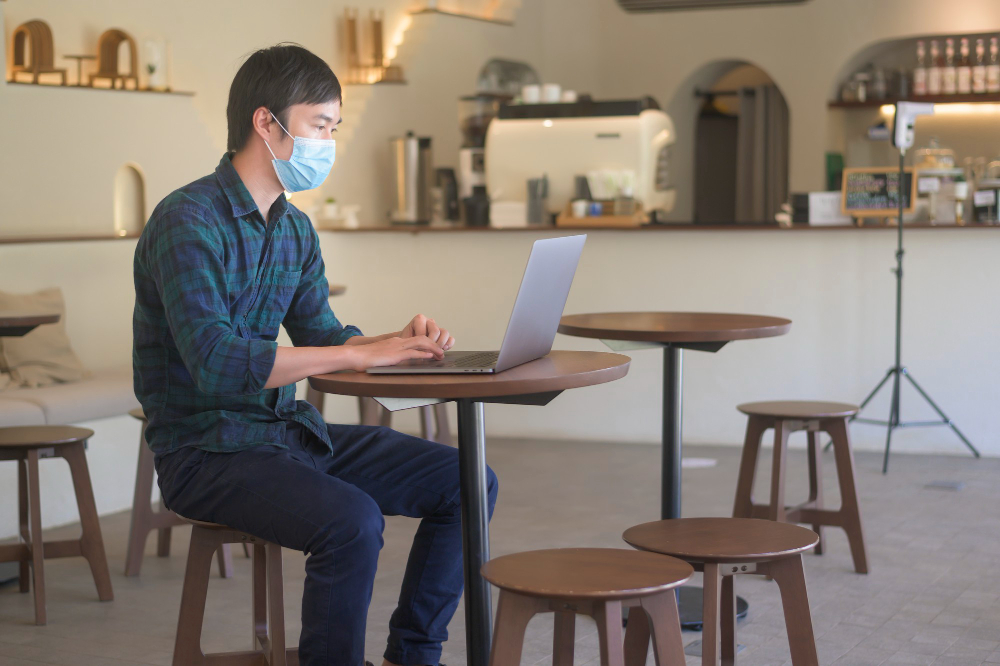
Making proper dining adjustments is important in scenarios like COVID-19, where customers should avoid being too close to each other.
There are various alternatives to address this, such as spacing out tables, using partitions, or creating cozy seating areas with plants or dividers. Additionally, clear rules should be set for reduced capacity, and reservations should be encouraged to control crowding.
Offer Outdoor Dining
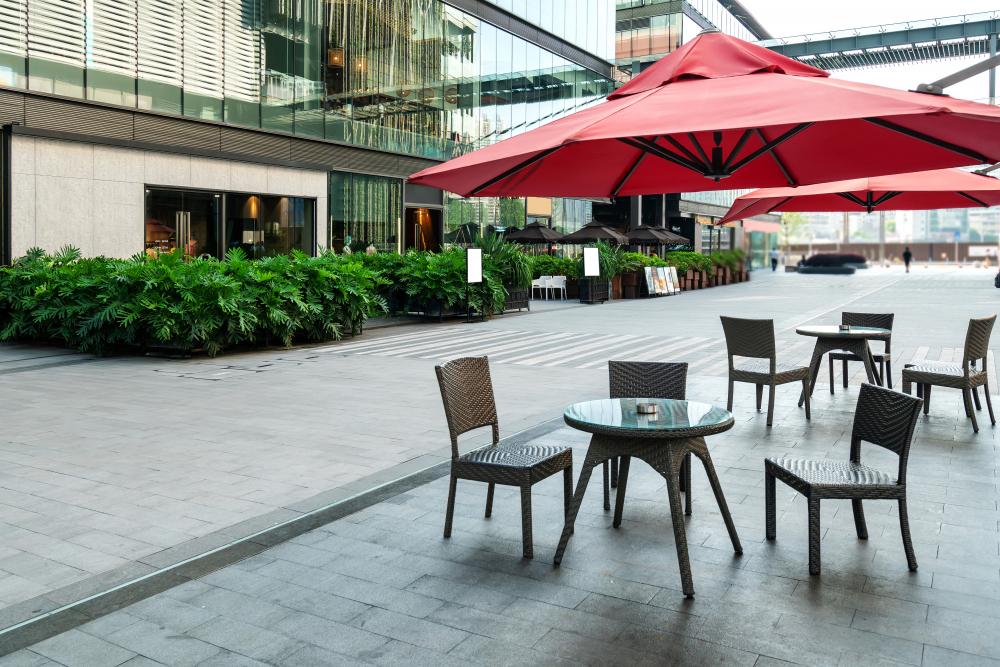
If indoor space is limited, don’t worry—you can offer outdoor dining. Many customers prefer outdoor dining because it provides more space and fresh air, addressing concerns about being too close to others.
Outdoor seating offers a safer and more relaxed atmosphere during scenarios like pandemics. Additionally, outdoor dining adds restaurant ambiance and charm.
Handle Equipment with Care

Restaurant equipment should be handled with care to avoid accidents and protect staff. The equipments include:
- Knives: Sharp and can easily cause injury if mishandled.
- Ovens and Stoves: High temperatures make them a burn risk.
- Blenders and Mixers: Sharp blades can be dangerous when in use.
- Fryers: Hot oil can lead to serious burns if not handled carefully.
- Dishwashers: Steam and hot water can cause scalds.
By addressing these cooking equipment with clear usage rules, your business creates a safer environment for everyone.
Sanitize All Shared Objects After Every Use

Shared objects like menus, utensils, tables, chairs, and payment terminals must be sanitized after each use to maintain restaurant safety.
These high-contact items can easily spread germs, posing a risk to both staff and customers.
Be Aware of the Risk of Fire
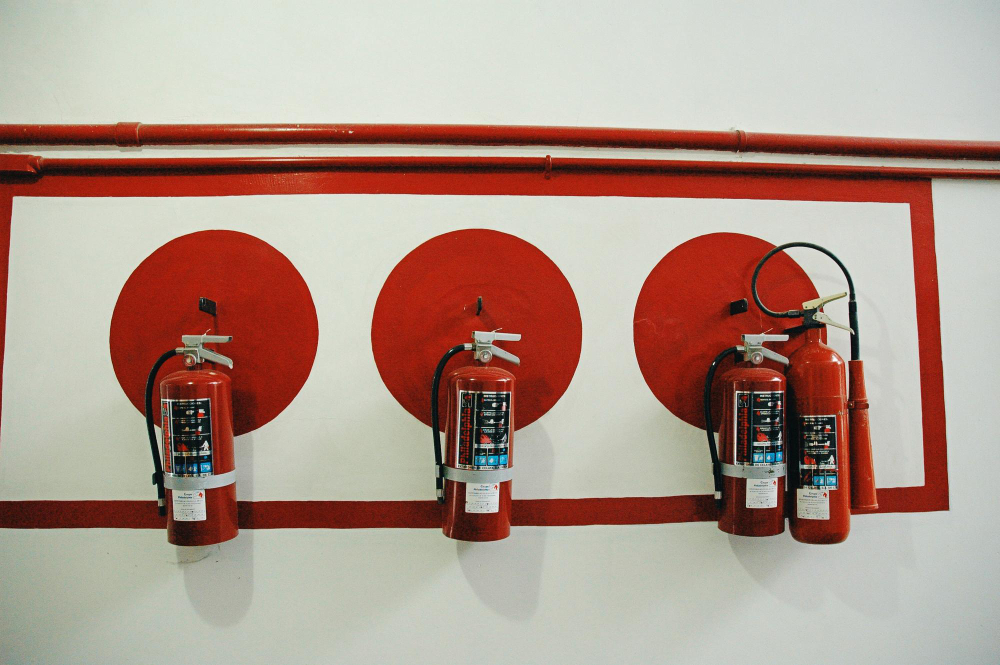
Fire is one of the most common incidents in restaurants, often caused by grease fires, electrical issues, or stove malfunctions.
To address this risk, it’s important to prepare by having fire extinguishers on hand and clear evacuation procedures. Train employees so that everyone knows how to handle fire incidents and evacuate safely.
Use Separate Areas for Allergen-safe Foods

Food allergies are an important aspect of restaurant safety. Common allergens include nuts, dairy, shellfish, gluten, and eggs.
A study reveals that despite European Union regulations requiring restaurants to inform customers about 14 primary food allergens, 74% of allergen-related incidents occur in non-prepackaged (restaurant) settings.
Thus, you must ensure separate areas for preparing allergen-safe foods, using designated kitchen tools and storage spaces to avoid cross-contamination.
Frequently Asked Questions
What is one of the biggest safety concerns in a restaurant?
One of the biggest safety concerns is preventing incidents like slips, falls, and foodborne illnesses.
What are 5 of the food safety guidelines?
Wash hands thoroughly, cook food to ideal temperatures, prevent cross-contamination, store food at safe temperatures, and sanitize all surfaces regularly.
What is safety in food service?
Safety in food service addresses the procedures that help prevent accidents and food contamination, ensuring the safety of both staff and customers.
Conclusion
In conclusion, maintaining restaurant safety ensures a safe and welcoming dining environment. Following our compiled health and safety tips will help you build a safe dining environment.
Alongside safety, having a proper digital marketing strategy is vital for the overall success of your business.
For professional guidance on boosting your restaurant’s online presence and success, contact SEO for Restaurants for expert digital marketing strategies tailored to your needs.