

Burgers are a global favorite, with the growing popularity of unique burger creations and the rising revenue for the burger market.
If you’re thinking about opening a burger restaurant, it’s important to understand the right equipment and steps on how to open burger restaurant to turn that idea into a successful business.
In this guide, we’ll explain everything from the pros and cons to the steps and must-have equipment for opening a solid burger restaurant.
Ready to open your own? Read more to discover our step-by-step guide for beginners!
What are the Pros and Cons of Owning and Operating a Burger Restaurant?
Pros
Some pros of owning a burger restaurant include the following:
- High demand for burgers
- Simple production
- Small staff requirement
- Broad customer appeal
- Opportunities to increase revenue
- Potential for growth over time
Cons
Meanwhile, the cons are:
- High startup and ongoing costs
- Intense competition
- Requires constant marketing and quality control
- Balancing costs and revenue
- Business risks
Steps to Opening a Burger Restaurant
Now, it’s time to learn how to open burger restaurant. Check out these steps!
Create Your Burger Concept
Defining Your Unique Selling Proposition (USP)
First, define your unique selling proposition (USP). This will help you stand out from competitors. Do you plan to serve innovative burger toppings? Or plant-based options? Is a vegan or vegetarian menu available?
Build a story based on one big theme for your burger restaurant to spark people’s curiosity.
Market Research and Target Identification
Identify your target audience. Are they beef enthusiasts or veggie lovers? Do you cater to families, students, or business people? The right market research will help you craft the right menu and marketing strategies that align with your demands.
List of Resources to be Used
Invest in expert advice to navigate the financial and operational aspects of the foodservice industry, which usually involves technologies.
Additionally, sourcing quality equipment, such as fryers and furniture, will enhance the customer experience and kitchen efficiency.
Planning and Strategy
Drawing Up a Business Plan
Step 2 when starting a burger restaurant is creating a solid business plan. This plan will outline your vision, financial goals, startup costs, and overall operational structure.
Understanding Financial Requirements
You’ll need to budget for startup costs, including venue selection, equipment purchases, and marketing expenses. Ongoing operational costs, including rent, utilities, and supplies, must also be considered.
Calculating Return on Investment
Any entrepreneur must know how to calculate your return on investment (ROI). After investing in your burger restaurant, tracking how quickly you can recoup your expenses and generate profit is important.
Consider key factors such as customer loyalty, marketing efforts, and operational efficiency.
Legal and Regulatory Issues
Necessary Permits and Licenses
Obtaining the necessary permits and licenses is step 3 in opening your burger restaurant. Before operating, you’ll need to acquire food handling permits, health certifications, and business licenses.
Each location may have specific regulations, so it’s important to understand the local requirements.
Compliance with Health and Safety Standards
Your burger restaurant must meet sanitation requirements, proper food handling protocols, and overall safety standards. Train your team to maintain high standards of cleanliness to help ensure customer satisfaction and prevent legal issues.
New Laws Applying to Fast-food Outlets
Staying updated on new laws that impact fast-food outlets is vital for your business. Regulations related to nutritional transparency, ingredient labeling, and waste reduction can affect how you operate your burger joint.
For instance, offering plant-based or eco-friendly options can help you meet consumer demands while complying with environmental laws.
Site Selection and Layout
Criteria for Choosing the Right Location
Your restaurant location should be easily accessible and have high foot traffic—even though it is not necessarily in the main prime area. It’s important to consider the area’s demographics and whether it aligns with your target audience.
For example, positioning a food truck near busy spots can attract more customers if you plan to open a food truck.
Space Design and Layout
It’s important to plan your interior design to match your venue’s concept and provide easy access for customers.
Whether you plan to have a small burger stand or a large dine-in space, your space must encourage easy flow for staff and customers while reflecting your brand’s identity.
The Fast-food Atmosphere
Create a lively, welcoming environment to attract diners and enhance their overall visit. It can be a modern, minimalist design or a classic diner vibe.
The lighting and décor should reflect your brand’s identity while promoting comfort and convenience.
Sourcing and Supplier Management
Selecting Quality Suppliers
Step 5: Select reliable suppliers. High-quality ingredients, such as fresh beef, plant-based patties, or unique toppings, are essential to delivering the best burgers.
Look for local suppliers who can offer competitive prices and maintain consistent delivery schedules.
Contract Negotiation and Inventory Management
Establish clear agreements on pricing and delivery terms to get steady access to the ingredients you need without overspending.
Good inventory management is important to minimizing waste while ensuring you have enough stock to meet demand.
Marketing and Promoting Your Restaurant
Communication Strategies for Restaurants
From social media posts to email campaigns, each message should aim to attract customers and boost visibility. Highlight your unique offerings, special promotions, and customer service experience.
A clear, consistent communication strategy will help create awareness and keep your restaurant on the radar of potential diners.
Use of Social Networks
Social media is a very powerful tool for promoting your burger business. Platforms like Instagram, Facebook, and TikTok allow you to showcase your menu, engage with your audience, and run targeted ads.
Team Recruitment and Training
Building a Solid Team to Bring Your Concept to Life
Your staff will be the face of your business, delivering customer service that can make or break the dining experience.
Thus, focus on recruiting individuals passionate about foodservice and customer satisfaction.
The Importance of Training and Development
Training your team is essential for maintaining high standards in food quality and customer service. Comprehensive training programs should cover everything from food preparation to handling customer interactions.
Don’t stop at the initial training program. Instead, your employees need ongoing development to keep them engaged and can adapt to new challenges.
What Equipment Would I Need to Start a Burger Restaurant?
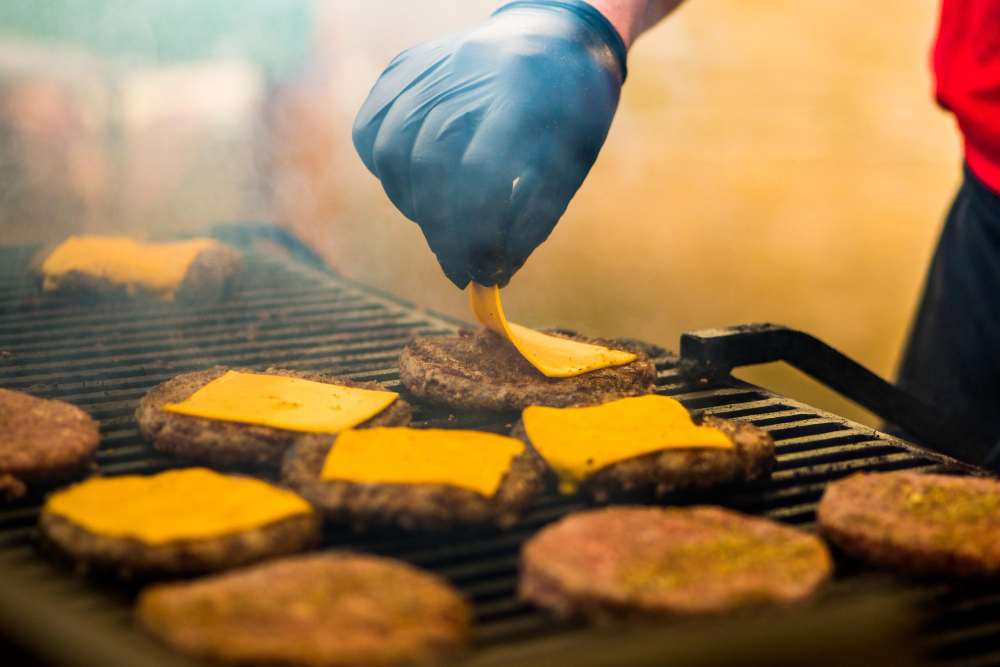
In addition to ingredients, you also need to invest in quality equipment to produce tasty burgers. While it doesn’t need to be super fancy and advanced, it needs to be reliable and helpful.
Here are some recommendations:
Grill
The grills give your burgers their signature sizzle and bite. Thus, invest in a quality grill to consistently deliver delicious burgers. It should cook evenly and handle a wide range of menu items.
Make sure it’s versatile and easy to clean to boost kitchen efficiency.
Refrigeration
Proper refrigeration is important when you want to start a burger joint, as it helps maintain the freshness of your ingredients, such as beef and vegetables. Choose a commercial-grade refrigerator, whether reach-in or walk-in, to store perishable items safely.
Additionally, freezers will enable you to manage bulk orders and reduce food waste.
Other Equipment
In addition to a grill and refrigeration, several other items are crucial for running a successful burger restaurant, including:
- Fryers
- Utensils and tools
- Ice machine
- Meat grinder
- Burger press
- Vegetable slicer
- Storage racks
- Prep tables
- POS system and devices
- Seating and furniture
Frequently Asked Questions
How much does it typically cost to open a burger joint?
The cost to start a burger joint can range from $100,000-$500,000, depending on factors like location, equipment, and whether it’s a franchise location or an independent restaurant.
What should be included in the menu for a burger restaurant?
Feature a wide range of burger options, including beef, veggie, plant-based burgers, fries, sides, and drinks to attract a diverse customer base.
How can I effectively market my burger restaurant?
Focus on social media, engage with local customers, and offer promotions or loyalty programs.
Conclusion
Opening a burger restaurant requires a well-thought-out plan, from choosing quality equipment to crafting a unique menu and securing the best location.
Knowing how to open burger restaurant means managing startup costs, developing your brand identity, and keeping up with evolving food trends.
Along with these essentials, digital marketing is also important in attracting customers. A strong strategy that includes SEO and social media can help you stand out.
For expert guidance, an SEO agency for restaurants can support your growth. SEO for Restaurants specializes in helping businesses like yours grow revenue by improving online visibility and driving more sales.
Contact SEO for Restaurants today to boost your burger restaurant’s visibility and success.