
Do you plan to open a fusion restaurant? This creative and savvy business mixes global cuisines for a unique dining experience. Imagine combining, let’s say, Italian and Indian flavors—you basically serve unforgettable dishes.
If you’re wondering how to open a fusion restaurant that attracts potential customers, this guide covers everything—from shaping your cuisine and identifying your target market to marketing smartly for your future restaurant.
Ready to bring your business idea to life? Read on to explore the steps of starting a fusion food restaurant!
Understanding Fusion Food
Fusion food refers to cuisines that mix ingredients, flavors, and techniques from different cultures, regions, or countries to make familiar and refreshingly new dishes.
While it’s been practiced across the globe since the 16th century, the term was defined in the late 1900s.
Back then, some of the major influences of fusion cuisine were colonialism and immigration, where people traded spices and made adaptations of cuisine that suited their palate while being in a whole new region.
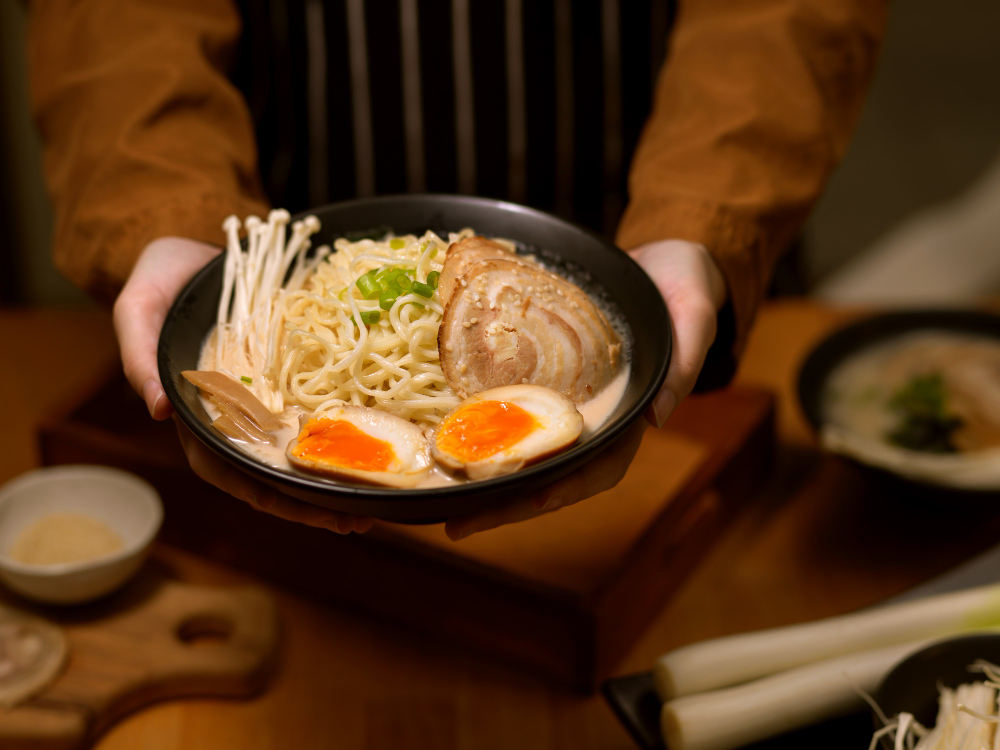
For instance, ramen originated as “shina soba” or “Chinese noodle” during Japan’s occupation of China’s islands in the late 1800s and early 1900s.
When making fusion food, balance and respect are the most important things to note. You must balance diverse flavors while respecting each culture’s culinary roots.
This ensures that no element overpowers another, resulting in harmonious dishes.
Types of Fusion Food

There are various types of fusion food available. From the umami East-West fusion to the aromatic Indo-Fusion, here are some of them:
East-West Fusion
This fusion blends flavors and cooking techniques from Western and Asian cuisines. It originated from cultural exchanges through trade and globalized restaurant businesses.
Characteristics include umami flavors and a balance of sweet, sour, and spicy elements. Some of the most infamous dishes include sushi burritos, ramen burgers, and teriyaki pasta.
Indo-Fusion
This combines Indian spices and cooking methods with ingredients from other cuisines, reflecting India’s diverse culinary culture.
Known for its bold flavors, Indo-fusion often features aromatic spices and heat. Hence, you’ll experience a burst of flavor once you take a bite.
Some examples include tikka tacos, butter chicken pizza, masala pasta, and naan pizzas.
Mediterranean Fusion
This fusion draws from countries like Greece, Italy, and Lebanon, integrating herbs, olive oil, and fresh ingredients with other flavors from different cuisines.
This style is often light and refreshing. Popular fusion dishes include falafel burgers, hummus flatbreads, and pasta with Middle Eastern spices.
Southern Fusion
Southern fusion incorporates American Southern flavors with diverse cuisines, creating comforting and hearty meals. Known for its rich sauces and smoky flavors, Southern fusion brings a soulful touch.
Examples include Cajun sushi, BBQ tacos, and kimchi fried chicken.
Peruvian Fusion
This fusion combines Peru’s indigenous ingredients with Asian, African, and Spanish influences. This cuisine is celebrated for its fresh flavors and vibrant ingredients, often highlighting seafood and spices.
Dishes like ceviche with Asian sauces, lomo saltado, and miso-flavored anticuchos are popular.
Latin Fusion
Latin fusion mixes flavors from Latin America with global influences. Famous for its bold spices and fresh ingredients, this fusion highlights cilantro, lime, and chiles.
Dishes like Korean BBQ tacos, empanadas with unique fillings, and churro ice cream sandwiches exemplify Latin fusion.
Steps for How to Open a Fusion Restaurant

So, are you ready to start your own fusion restaurant? Following the best practices step-by-step is important. Check out our complete guide on how to open a fusion restaurant below.
Market Research
This is a crucial initial step in opening any restaurant business, including a fusion restaurant. Why does it matter?
Market research will aid in identifying potential customers, assessing competition, understanding market trends, and forecasting financials.
So, what needs to be noted down during your research? There are four main aspects, including target demographics, location analysis, competitor offerings, and customer preferences.
Here is the step-by-step for conducting market research:
- Outline your target customers by age, dining habits, and preferred fusion types.
- Visit similar competitors, check their online reviews, and note where they do well and where they lack.
- Conduct mini-surveys to gauge interest and gain feedback on your concept.
- Research popular dining trends and popular cuisines for fusion food.
- Use insights from your research to predict potential sales, cash flow, and expenses.
Business Plan Development
Upon nailing down the data from your market research, it’s time to craft a business plan. A solid business plan for a fusion cuisine restaurant clarifies your concept and what you want to do in the long run.
With a well-developed business plan, you’ll find it easier to communicate your restaurant’s potential to investors and partners, anticipate challenges, and set financial projections.
Here are the steps to write a business plan properly:
- Outline your restaurant’s concept, target market, and unique approach to fusion cuisine.
- Describe your mission, vision, location, and the fusion food you plan to serve.
- Summarize your market research, customer demographics, competitor analysis, and trends. Explain why your fusion concept will appeal to your audience.
- Detail how you’ll attract customers through marketing, including word of mouth, social media, and promotions. Discuss ways to stand out from competitors.
- Outline your menu and additional services like delivery or catering, emphasizing your fusion dishes.
- Explain your daily operations, including staff needs, food preparation processes, and location management.
- Provide a financial forecast covering startup costs, future cash flows, revenue projections, and a cash flow forecast.
Securing Funding
To run a fusion restaurant, you need to secure good funding to cover initial setup and ongoing expenses.
Key components that need funding include startup costs, lease and location costs, inventory and supplies, staffing, marketing and branding, and operational buffer.
Some alternatives for funding include bank loans, investor funding, small business grants, and personal savings or assets. Another option, like crowdfunding, is also available, though not really common.
So, how do you persuade those investors to fund your soon-to-be fusion restaurant? Here are some tips to highlight:
- Provide a detailed, persuasive business plan
- Showcase market demand
- Make realistic financial projections
- Highlight your Unique Selling Point (USP)
- Do networking
Location Selection
The next step is to choose your restaurant location! A good location will enhance visibility and align with your target market and demand in the area. This way, you’ll attract potential customers.
Start the search by studying neighborhoods with potential, then match locations with areas where your target market resides or frequents. Then, conduct a site visit.
When choosing between some alternatives, consider the ones ticking this list:
- Customer demand
- Foot traffic and accessibility
- Competition and nearby business
- Lease and cost
- Space and layout
Once you’ve selected, negotiate a favorable lease, keeping in mind how much the business is expected to generate in revenue.
Licensing And Permits
Proper licensing and permits ensure compliance with health, safety, and business regulations, building trust with customers and avoiding costly fines. Without them, you could face delays, fines, or even closures.
Here’s what you’ll need:
- Business License: Officially register your restaurant with local authorities.
- Health Permit: Ensures your kitchen meets health and safety standards.
- Liquor License: Essential if you plan to serve alcohol.
- Zoning Permits: Confirms your location is legally approved for restaurant use.
- Fire and Safety Inspections: Ensures your premises meet safety regulations.
Menu Development
This is the core of your fusion cuisine restaurant business.
A thoughtful menu not only reflects your restaurant’s concept but also impacts profits and cash flows by highlighting dishes that showcase your brand and meet customer demand.
For example, you can develop a dish like Korean BBQ Tacos that combines Mexican tacos with marinated Korean beef, kimchi, and spicy sauce—if you want to make a fusion of Korean-Mexican cuisine.
A well-aligned menu supports your business plan for your fusion restaurant and is key to running a successful establishment that resonates with your customers and keeps them coming back.
Staff Recruitment
Running a fusion restaurant is a team effort—you can’t do it alone. Hiring the right staff is essential to deliver a great dining experience, from the kitchen to the front of the house.
Look for staff with experience in fusion cuisine, a chef with experience in multiple cuisines or fusion cooking techniques, and front-of-house staff with excellent communication skills.
Make sure these candidates possess enthusiasm about fusion food and have a strong work ethic.
Marketing And Launch
Once your fusion restaurant is ready, a solid marketing strategy will create excitement and attract customers from the start. Kicking off with a strong marketing plan will boost your initial visibility and help establish your brand in the competitive restaurant industry.
Here are some fundamental marketing strategies for you:
- Build an Online Presence: Create a website, social media pages, and a Google Business Profile. High-quality photos of your dishes and a well-designed menu will help showcase your unique fusion concept.
- Use Social Media Advertising: Platforms like Instagram and Facebook are perfect for restaurants. Consider targeted ads to reach your local market, boosting visibility and engagement.
- Offer Pre-Opening Specials: Host a “soft opening” for select groups or provide limited-time discounts to build interest and encourage word-of-mouth referrals.
- Focus on Local SEO: Optimize for keywords local diners search for so your restaurant appears when people look for fusion cuisine nearby. Engaging in digital marketing will help improve your online ranking.
Partnering with a restaurant-focused marketing agency can be a game-changer. For expert support, explore these digital marketing strategies to boost your launch.
Frequently Asked Questions
How is fusion food made?
Fusion food is created by blending ingredients, flavors, and cooking techniques from various cultures, resulting in unique and innovative dishes.
What is an example of fusion food?
An example of fusion food is Korean BBQ Tacos. These tacos mix the rich, marinated meat and spicy kimchi from Korean cuisine with the soft tortillas of Mexican cuisine.
Are fusion foods a trend?
Yes, fusion foods are a major trend in the culinary world. Tastewise statistics show that discussions about fusion cuisine have surged by 18.47% over the past year.
Conclusion
In conclusion, launching a fusion restaurant requires careful planning—from market research and how to open a fusion restaurant to recruiting skilled staff and crafting an effective marketing strategy.
For any entrepreneur or business owner, understanding each step is important for strong financial performance and creating a one-of-a-kind dining experience. With the need to budget effectively and stay up-to-date with industry trends, your restaurant will be better positioned for success.
Have you thought about partnering with an experienced agency to make your fusion restaurant shine online? SEO for Restaurants specializes in tailored digital strategies to support your goals. Contact SEO for Restaurants today.