
Ever wondered how much each customer truly contributes to your restaurant’s success? Understanding “customer lifetime value” unlocks the secret to building a loyal customer base and maximizing total revenue.
Curious about how to calculate CLV and why it matters for your marketing efforts?
Gather around and read more to uncover everything about the value of a customer and how to use CLV to grow your restaurant!
What is Restaurant Customer Lifetime Value?

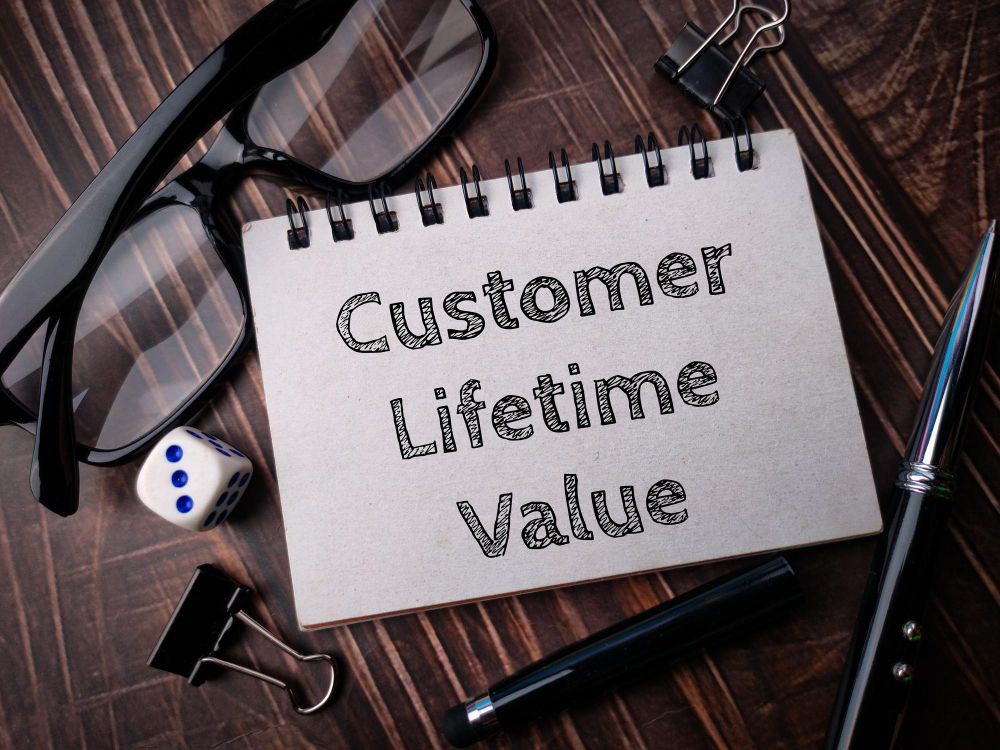
Restaurant customer lifetime value (CLV) is the total value a customer brings to your restaurant throughout their entire relationship.
It’s not just about the average purchase they make; it includes their repeat business, loyalty, and overall contribution to your revenue.
Want to explore bringing in more new and valuable customers? Check out our guide on restaurant customer acquisition for practical strategies and tips.
Why is Customer Lifetime Value Important to Businesses?

So, why is it truly important to your business? What would you care about CLV? Here are some of the important things you would not want to miss.
You Can’t Improve What You Don’t Measure
Measuring CLV is a key part of effective customer analytics, helping you see the big picture of your customer relationships. Without this metric, it’s impossible to gauge customer value and identify ways to boost customer loyalty and repeat business.
Make Better Decisions on Customer Acquisition Costs
Knowing CLV lets you confidently decide how much to spend on acquiring a new customer while ensuring a positive return on investment. The result? Maximum profitability.
Improved Forecasting
With CLV, you can forecast future revenue by analyzing past data and trends. This can include the costs, production capacity, and inventory.
This insight helps you strategize marketing efforts and plan effectively for long-term success.
Advantages of Customer Lifetime Value
You’re totally going to consider investing in CLV if you know the advantages. Check these out!
Drive Repeat Sales
Customers with high CLV are likely to buy again. This behavior drives up the total CLV generated by a customer.
By understanding segments of your audience and their behavior, you can create strategies to attract and retain customers. Personalized offers or loyalty programs encourage more purchases over the course of their relationship with your business.
Improve Customer Retention
Retained customers cost less than acquiring new ones and are more likely to boost CLV through repeat purchases.
By tracking customer retention rates and understanding how long a customer stays, you can tailor customer experiences to ensure your customer feels valued. This leads to a higher likelihood of loyalty but also encourages them to spend more.
Want to know more about the effective strategies? Our guide on customer retention is available for insights.
Increase Profitability
A single customer who stays longer generates more revenue over time, contributing to your restaurant’s overall marketing and sales success.
By boosting CLV, you can allocate resources to segments of your audience that bring higher customer value. This reduces customer attrition and ensures your marketing and sales investments yield higher returns.
Encourage Higher-Value Sales
CLV encourages businesses to look beyond the average order value and aim for higher-value sales, such as upselling and cross-selling.
When you finally know how customers interact with your business, you can offer products or services that maximize their value calculations.
For example, if the average customer spends more on premium offerings, shifting the target of marketing efforts to this segment can attract higher customer spending.
What to Consider When Calculating Restaurant CLV

When calculating your restaurant’s CLV, you need to consider several things.
The Type and Location of the Restaurant
Different customer segments and buying habits mean your restaurant might see customers more often but for smaller purchases, while a fine dining spot could have fewer visits but higher spending.
Location matters, too! A busy urban area might bring in more frequent visits than a quieter suburban setting.
Technology and Automation
Tools that track things like customer feedback and purchase frequency give you the info you need to understand your customers and improve their experience.
Automation also helps by keeping tabs on what your regulars buy and how often they return. This kind of insight makes it easier to deliver better service and build a stronger customer relationship.
The Formula to Calculate Restaurant Customer Lifetime Value

The simple CLV formula is:
CLV = Average Purchase Value x Average Purchase Frequency x Average Customer Lifespan
Here’s the explanation of each:
- Average Purchase Value: Think of this as how much a customer typically spends each time they visit your restaurant.
- Average Purchase Frequency: This tells you how often your customers come back.
- Average Customer Lifespan: This aspect refers to the average length of someone stays loyal to your restaurant (could be months or years).
Methods to Calculate Restaurant Customer Lifetime Value

You can use two methods to calculate your restaurant’s CLV: a CRM or Excel. Let’s take a closer look into the details.
Calculate Customer Lifetime Value with a CRM
CRMs make the process easier by automatically tracking customer purchase data like average spending, purchase frequency, and customer lifespan. This means you get accurate insights without having to lift a finger.
With built-in reporting and analytics, CRMs can segment your customers, highlight trends, and even predict future revenue.
Plus, they help you spot your high-value customers.
Calculate Customer Lifetime Value in Excel
For restaurants just starting out, Excel is a great way to explore CLV before investing in more advanced tools. Here’s how you can do it:
- Set Up Your Columns: Create columns for purchase value, frequency, and customer lifespan.
- Enter Your Data: Input your data into these columns.
- Apply the Formula: Use the formula.
Excel lets you customize calculations, sort data by customer segments, and experiment with metrics. It’s a cost-effective way to spot trends, though it needs a bit more manual effort compared to a CRM.
How to Increase Restaurant Customer Lifetime Value
After learning the basics of CLV, including how to calculate customer lifetime value, it’s time to get hands-on tips on how to increase CLV. We have compiled best practices for you. Try these steps to get a higher CLV:
Meet Guests Where They Are
Understand where and how your customers prefer to interact with your restaurant—whether online, in-person, or through a delivery app. It helps you connect better with both existing customers and new ones.
On top of that, tailor your approach to enhance customer satisfaction and build stronger relationships.
Collect Customer Info By Integrating a CRM Platform Into Your Point-of-Sale Solution
Integrating a CRM with your point-of-sale system is a game-changer for improving CLV. It allows you to gather valuable data about your current customers, like purchase history, average purchase frequency rate, and preferences.
This information helps measure customer lifetime value and personalize offers based on individual habits.
For example, knowing customer A’s favorite products and services enables you to create targeted promotions that keep them engaged.
Prioritize Feedback and Use It to Solve Problems
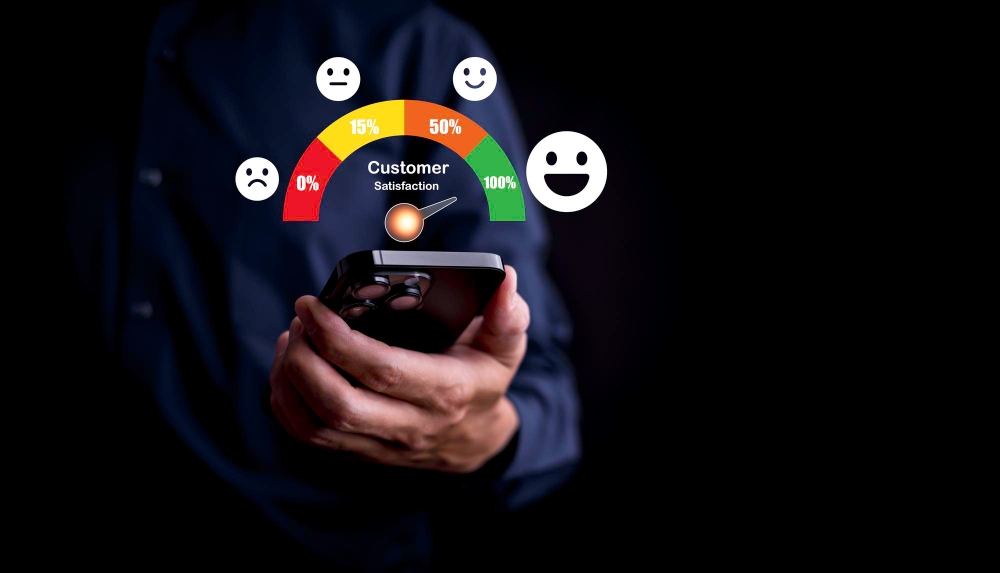
Actively asking your existing customers for input shows you value their opinions and care about customer satisfaction.
Use feedback to identify pain points. Common feedback includes long wait times and menu preferences. Upon receiving the feedback, solve the problems quickly.
When customers see their concerns are addressed, they’re more likely to remain loyal and increase their average lifespan.
Put a Loyalty Program In Place
Loyalty programs are among the easiest ways to encourage repeat visits and improve customer lifetime value. Reward existing customers for their purchases, whether with discounts, freebies, or exclusive perks.
For instance, a cafe could offer a free drink after every ten purchases, increasing the average purchase frequency rate. You can apply this to your restaurant for a specific menu to lure customers to return.
Stay In Touch With Your Customers
Want to build long-term relationships with your restaurant customers? Keep in touch with them.
Send personalized emails, offer exclusive promotions, or even engage on social media to keep your restaurant top of mind for current customers.
A simple update about special events on Instagram Story or TikTok can build excitement and encourage repeat visits. You can also use other platforms to reach a wider audience.
Bundle Your Menu Offerings
Bundling menu items is a smart way to increase the value of every customer transaction and boost CLV.
For instance, you can offer a Family Friendly Package for a special price, which consists of a complete meal for four, including an appetizer, main courses, dessert, and drinks.
Frequently Asked Questions
What is the KPI for customer lifetime value?
One common KPI for CLTV is the CLTV to CAC ratio, or the Customer Lifetime Value to Customer Acquisition Cost.
What is the 80/20 rule for customer lifetime value?
The 80/20 rule, or Pareto Principle, for CLV, suggests that 80% of your revenue comes from 20% of your customers.
What is a good CLV ratio?
A good CLV-to-CAC (Customer Acquisition Cost) ratio is typically 3:1, meaning you earn three times what you spend on acquiring a customer.
Conclusion
Getting a handle on customer lifetime value (CLV) can really boost your restaurant’s growth. It helps you get more repeat business and keep customers happy, making smarter decisions for long-term success.
How are you using CLV in your marketing now? Collaborating with a reliable SEO agency like SEO for Restaurants can elevate your efforts by enhancing your online presence and attracting valuable customers.
Ready to up your restaurant’s digital marketing game? Contact us today and let our experts boost your traffic, engagement, and repeat business!