

In today’s competitive dining scene, standing out isn’t just about great food; it’s about truly understanding your customers. That’s where customer analytics in restaurant management becomes a game-changer.
By tapping into customer data, you can make smarter, data-driven decisions, personalise the dining experience, and fine-tune your marketing strategies for maximum impact.
But here’s the real question: how do you take those insights and turn them into stronger customer loyalty and higher sales?
Stick with us as we explore how the right analytics tools and customer data analysis can help your restaurant boost revenue and stay ahead of the competition.
What are Customer Analytics for Restaurants?
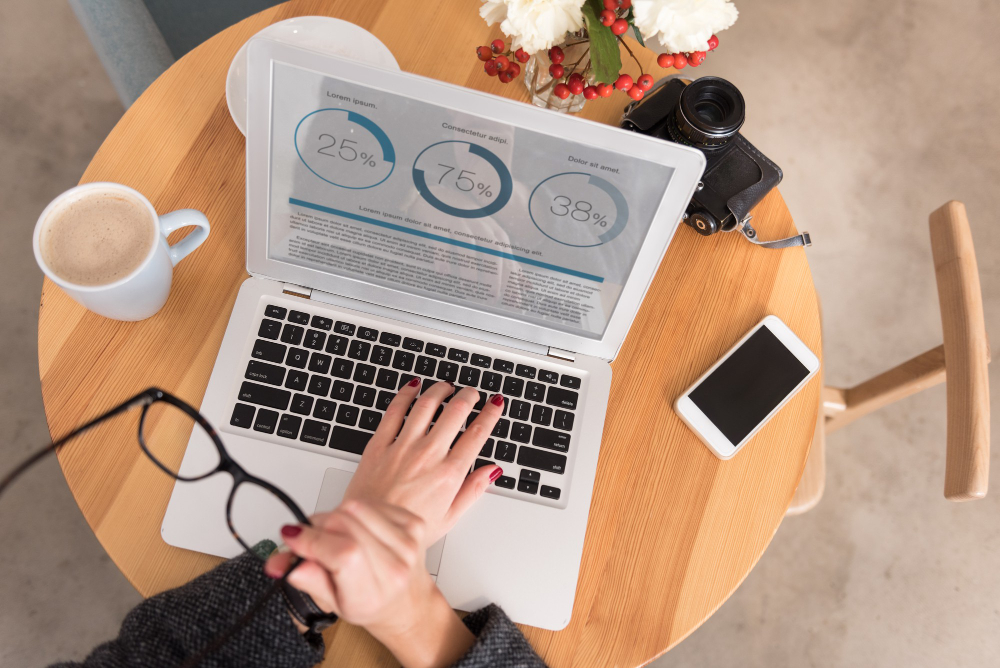
Customer analytics for restaurants refers to the process of collecting and analysing restaurant customer data to understand their behaviours, preferences, and patterns.
It helps restaurants make smarter, data-driven decisions that enhance the customer experience. The long-term result? Increased revenue.
A robust customer analytics system should provide valuable insights into key areas, including purchase history, demographics, and customer loyalty. Key metrics often include lifetime value, churn rate, and average spend per visit.
Why Should You Measure Customer Analytics in Your Restaurant?
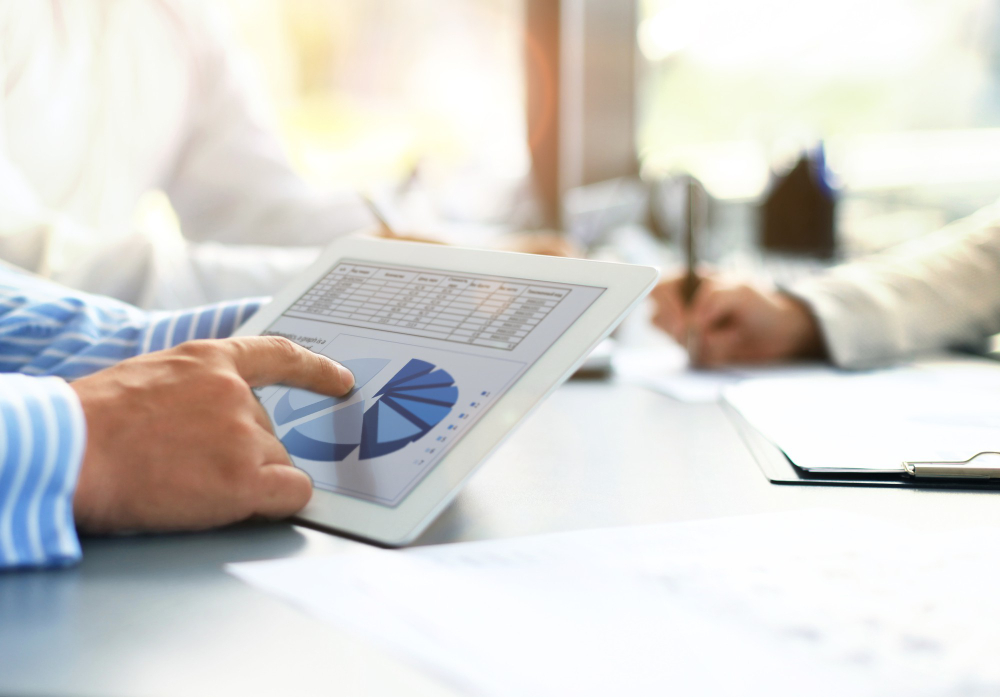
With comprehensive customer analytics data, you’ll gain insights into the customer journey during their visit to your restaurant. Here are some of the reasons:
- Gain insights into the customer journey and predict customer behaviour.
- Recognise which customers are the most profitable and loyal.
- Use customer data to tailor personalised marketing and customer loyalty programs.
- Leverage data-driven business decisions to optimise offerings and improve customer engagement.
- Enhance efforts to attract new customers by understanding their needs and preferences.
- By understanding customer interactions, you can foster long-term relationships and repeat visits.
- Analyse data from various sources, like website behaviour and mobile apps, to refine strategies.
How Does Customer Analytics Work?
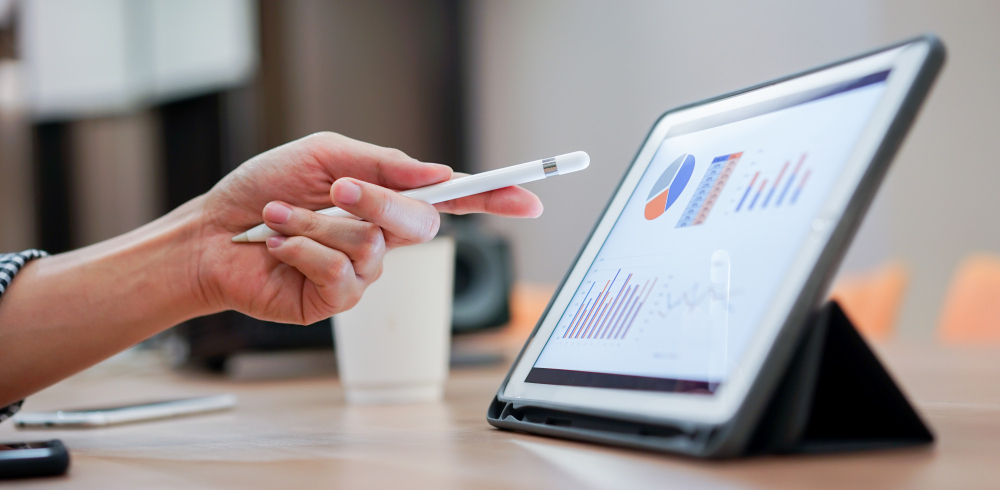
Here’s a breakdown of the effective steps to gather data for customer analytics.
Collect
First, gather all relevant customer data. This can come from different places, including your POS system, website, mobile apps, or even loyalty programs.
Look for key details such as purchase history, customer interactions, and demographics.
For instance, you notice that customers who order a specific dish tend to return on weekends.
Analyse
Once you’ve collected the data, it’s time to dive in and analyse it. This step involves identifying patterns, such as which customers are the most loyal or which items are ordered most frequently.
For example, by analysing the data, you discover that younger customers tend to visit more often when you offer discounts on appetisers. This insight helps you plan future promotions and offers that appeal to this group.
Implement
Finally, you take what you’ve learned and put it into action.
For instance, based on your analysis, you might send personalised emails to loyal customers offering them a discount on their favourite dish.
Alternatively, if you notice that certain menu items are rarely ordered, you may consider removing or revamping them to better appeal to your target customers.
The Relationship Between Data and Sales
When it comes to running a successful restaurant, customer data isn’t just numbers on a screen; it’s the secret ingredient that can directly impact your sales. Here’s how data and sales go hand in hand:
1. Smarter Decision-Making
You can’t just make decisions out of thin air when building a business. Every choice needs to be backed by something real, facts, not guesses.
That’s where data comes in. Your customers and their behaviour should always be at the centre of your decisions. For example, a study by McKinsey found that data-driven businesses are 23 times more likely to attract customers. So, instead of rolling the dice on your menu or marketing, data helps you make confident, fact-based decisions that bring in more sales.
2. Personalised and Targeted Marketing
The more you know about your customers, what they like, when they dine, and how often they order, the better you can connect with them.
With customer insights, you can create marketing campaigns that speak directly to their needs. Personalised strategies boost engagement, improve satisfaction, and, naturally, drive up sales.
3. Sales Forecasting
We can’t predict the future… but we can make some pretty smart guesses by looking at the past.
By analysing previous sales trends, restaurants can forecast which dishes are likely to be popular, when to stock up on ingredients, and even when to roster on more staff. This results in improved inventory management, more efficient planning, and enhanced overall sales performance.
4. Smarter Pricing Strategies
Pricing is always a balancing act. Charge too much and customers might hesitate. Charge too little and your profits take a hit.
Data helps you find that sweet spot. In fact, Deloitte found that price optimisation can boost margins by up to 8%. By tracking what your customers are willing to pay, you can confidently set prices that work for them and your bottom line.
5. Better Customer Experiences
Happy customers are return customers, and they’re also your best promoters.
Research from American Express shows that Aussies are willing to spend 17% more with businesses that deliver excellent service. By using customer data to refine and improve the dining experience, you’re not only keeping guests satisfied but also encouraging repeat visits and word-of-mouth referrals.
Top Customer Analytics for Restaurants

Now, we’re getting into the most important metrics to gather and analyse for your analysis. Let’s take a closer look!
Revenue per Available Seat Hour (RevPASH)
RevPASH measures how much revenue you generate per seat per hour. It helps you assess how efficiently you’re using your seating and whether you’re maximising potential during peak times.
If you notice that certain hours have lower occupancy, you can adjust your marketing campaigns or introduce promotions to drive more traffic.
Average Check per Table
This metric indicates the average amount customers spend when dining in. Tracking this helps you spot spending patterns, which you can use to increase sales.
For example, if you find certain items are frequently ordered together, you can promote those as bundles or offer upsells.
Customers per Table
This metric tells you how many customers sit at each table on average, helping you optimise your restaurant’s layout. If you’re seating too many customers at a time, it might affect the guest experience.
On the other hand, seating fewer customers could mean you’re not fully utilising your space. Analysing customer data can help you find the right balance, improving both the flow of service and customer satisfaction.
Food Cost Percentage
The food cost percentage indicates the ratio of what you spend on ingredients compared to the revenue you earn from sales. It’s vital for tracking profitability and keeping expenses in check.
If the food costs are too high, you may need to adjust menu prices and portion sizes or streamline your ordering process.
Speed of Service
Speed of service is crucial for a smooth operation and customer satisfaction. This metric measures the speed at which orders are taken and served. If you notice long wait times, it may be time to analyse the flow of service and adjust staffing levels during busy hours.
Faster service leads to more seat turnover, higher revenue, and a better overall customer experience.
Inventory Turnover
This metric indicates how quickly you consume your stock. The goal is to avoid overstocking or running out of popular items. By tracking sales trends and purchase history, you can make more accurate demand predictions and inventory tracking more efficiently.
This reduces waste and ensures you’re always prepared to meet customer demand.
Ratio of Reservations
This ratio compares the number of reservations to walk-ins, giving you insight into demand. If you’re seeing fewer reservations than expected, consider offering incentives or promotions to encourage bookings.
Tracking this data enables you to forecast busy periods more accurately and ensure your staff is prepared for peak demand.
Average Number of Complaints Received
Tracking customer complaints helps pinpoint areas where your restaurant can improve its performance. Whether it’s issues with food quality, service, or wait times, analysing complaints helps you resolve common problems before they escalate.
A proactive approach to managing complaints enhances customer loyalty and maintains your restaurant’s reputation.
Ratio of Cancellations
The cancellation ratio measures the frequency at which customers cancel their reservations. A high cancellation rate may indicate problems such as inconvenient reservation systems or a lack of customer commitment.
You can use your customers’ data to identify patterns and find ways to reduce cancellations, such as sending reminders or offering incentives for keeping bookings.
Frequently Asked Questions
How do you write a good analysis?
A good analysis involves collecting relevant data, identifying key trends or patterns, and drawing clear conclusions.
What is a customer analysis tool?
A customer analysis tool is a software or platform that aids in gathering and analysing customer information, such as their behaviour, preferences, and buying habits. Popular tools include Google Analytics and Sprig.
How do you analyse a restaurant?
To analyse a restaurant, look at key performance indicators like revenue, customer satisfaction, staff efficiency, and food costs. Review sales data, customer feedback, and operational metrics to identify strengths and areas for improvement.
Conclusion
In conclusion, customer analytics is important in optimising restaurant operations and boosting revenue.
The insights gained from customer data enable more effective marketing strategies, improved service, and increased customer loyalty.
So, how can your restaurant leverage this data to its full potential?
Working together with a trusted digital marketing agency is a good start. Contact SEO for Restaurants today to start making data-driven decisions.