

Food waste has long been an issue across industries. The restaurant industry contributes to the issue, with 7.6 million tons of food waste yearly in Australia alone. This huge number motivates many restaurant owners to switch to zero-waste restaurants.
A zero waste restaurant helps minimize the number of food waste every day, resulting in a better environmental and business impact.
Learn more about zero waste restaurants, their benefits, and how to run one!
What is a Zero Waste Restaurant?

The concept of a zero waste restaurant mainly focuses on 5R actions: refuse, reduce, reuse, recycle, and rot. These actions ensure that restaurant resources don’t go to waste and boost sustainability.
With sustained resources, restaurants can improve profitability.
For instance, they can minimize the cost of waste management by practicing zero waste. Similarly, there will be increased revenue from repurposing food while reducing the amount sent to the bin.
Benefits of Zero Waste Practice

This environmentally friendly practice brings various benefits to restaurants.
Sustainability and Environmental Impact
By minimizing waste, restaurants will align with the global movement towards environmental sustainability. This includes lowering greenhouse gas emissions and reducing the strain on landfills.
Efforts like avoiding single-use plastics and turning cardboard into compost material are some examples.
Customer Attraction and Loyalty
Nowadays, diners rave not only about menu items and prices but also about restaurants that offer value, especially those with similar sustainability values.
Branding your business as a restaurant specializing in zero-waste management can be a main attraction and choice factor for new customers.
Compliance and Reputation
Environmental regulation in each region is different. However, strict waste management regulations worldwide, from wet to dry waste, are becoming quite common.
A zero-waste practice ensures compliance with local regulations and thus maintains a reputation, especially for businesses aspiring to be the first zero-waste restaurant in their area.
Resource Efficiency
This practice involves reusing and recycling resources, adding more value to all resources. The result? Menu item innovations will be more varied, and operational costs will be reduced.
Cost Savings
Waste management can be costly, depending on the restaurant’s size. A zero-waste practice helps reduce this cost, resulting in better revenue and profitability.
Steps to Setting Up a Zero-waste Restaurant

Are you interested in running your own zero waste restaurant? Check out these steps!
Conduct a Restaurant Waste Audit
To start practicing, you need to go to your restaurant’s usual waste management routine and conduct a waste audit.
The audit includes thorough data, such as food waste weight collected, most wasted items, and most common reasons for the loss, providing a clear map for reducing waste in each plate served.
Reduce Food Waste in the Kitchen
Based on the audit, try reducing food waste in the kitchen, starting from the most wasted items.
Try collaborating with your chef to cook innovative menus and other solutions, such as creating smaller menu options, using less oil for some items, and recycling leftover food scraps.
Follow the FIFO Rule for Stock Control
FIFO, or First In, First Out, is a method of using or selling the oldest food before newer items. For example, a restaurant uses the oldest vegetables in its inventory first, reducing the risk of spoilage and maximizing profitability, thus creating a more sustainable supply chain.
Avoid Packaging and Plastic Waste
Nowadays, restaurants are shifting to paper-based packaging and cutlery instead of plastic ones.
However, if you want to reduce the packaging waste and the cost of packaging completely, you can utilize washable and reusable cutlery, though it demands a higher water bill. The choice is yours!
Provide Paperless Menus and Receipts
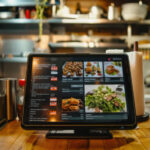
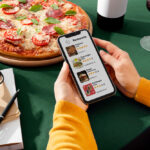
Digital menus and receipts are becoming more popular, especially with the invention of the QR code. This practice helps reduce receipt waste, as it is reported that over 3 million trees are cut down for receipt production.
An option may be to collaborate with third parties to send the receipt via email or text message. You can also use menus or receipts made from recycled material.
Frequently Asked Questions
What are the challenges of running a zero-waste restaurant?
Running a fully zero-waste restaurant presents challenges such as sourcing local ingredients, managing food inventory efficiently, and educating staff on waste reduction practices.
What can I do as a customer to support zero-waste restaurants?
As a customer, you can support zero-waste restaurants by ordering mindfully, bringing your own containers for leftovers, and choosing establishments that prioritize sustainability.
Is it expensive to eat at a zero-waste restaurant?
The cost of dining at a zero-waste restaurant varies, but it can be comparable to other sustainable or high-quality dining experiences.
Conclusion
Running a zero waste restaurant helps contribute to the sustainability of resources and boost profit at the same time. With this practice, you’ll ensure that no resources are going to waste and pollute the environment. Plus, you’ll have an added value for customers.
Are you interested in this environmentally friendly practice? Contact SEO for Restaurants now to discuss tailored marketing strategies!