

What makes your restaurant special? A unique selling proposition (USP) can answer that question by showcasing what sets your business apart, whether it’s a product or service that your competitors can’t match.
Strategies like crafting a strong value proposition and highlighting your restaurant’s unique features are key to attracting customers.
Ahead, we’ll explain how to develop an irresistible USP and why it’s crucial for your success.
Read on to learn more about crafting a winning USP that elevates your restaurant above the rest.
What is a Unique Selling Proposition?
A Unique Selling Proposition (USP) for restaurants is a clear statement that defines what makes your restaurant different from the competition.
It highlights the unique value you offer; it can be a signature dish, exceptional customer service, or a premium dining experience.
It’s not just a slogan—which is a shorter phrase—but a clear message that helps attract potential customers, offering a competitive advantage.
Why is It Important for Restaurants to Have a USP?

Having a clear USP is not just about standing out from the competition; it’s about providing direction and clarity for your entire team.
A strong USP gives your internal team a unified message to rally around, helping them understand what makes your restaurant special and how to communicate that to potential customers.
It also guides your business decisions and marketing efforts, shapes your business model, and aligns your brand’s vision.
Additionally, a well-defined USP strengthens partnerships with stakeholders and suppliers.
Ideas for Your Restaurant’s Unique Selling Proposition
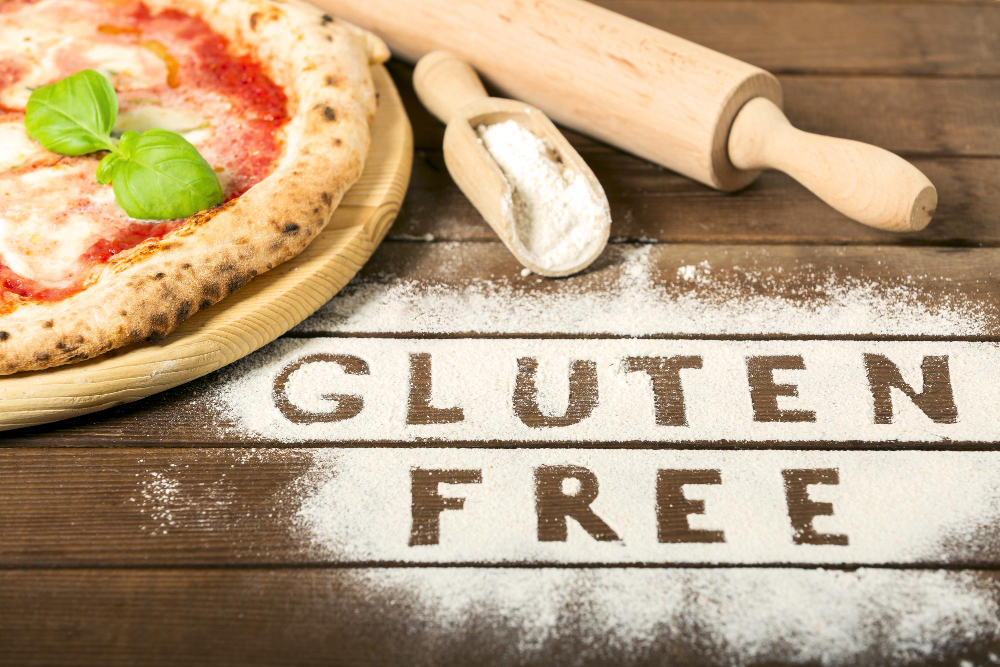
Let’s explore some ideas on how to craft the perfect USP for your restaurant that resonates with your patrons.
Find Your Niche
It starts with finding your niche. What makes your restaurant truly special?
By identifying a specific niche, you can target a particular group of customers who will appreciate your offerings.
For example, you could focus on being a sustainability-centered restaurant offering locally sourced ingredients.
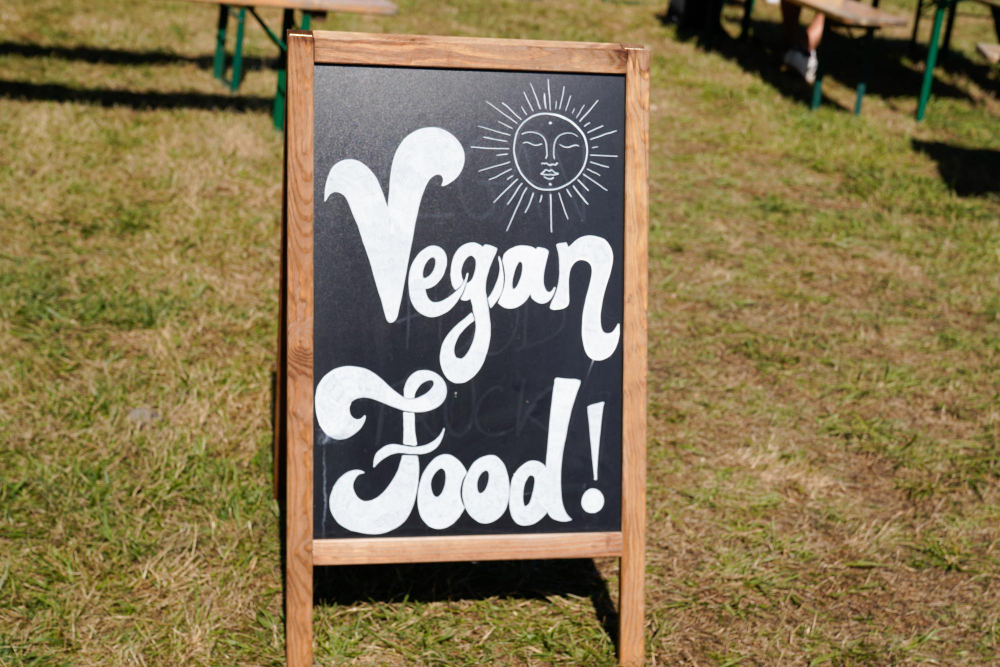
Alternatively, you might specialize in plant-based cuisine, catering to vegans and health-conscious consumers.
Another option could be creating a cozy, family-friendly atmosphere with comfort food.
Here are some category examples to get started:
- Gluten-Free
- Organic
- Ethnic or Cultural Cuisine
- Seafood
- Street Food-Inspired
- Gourmet Burgers
- Fine Dining
- Fast-Casual
- Fusion Cuisine
- Brunch-Only
- Family-Friendly
- Pop Culture-Themed
- Diet-Specific (e.g., keto, paleo)
Who is Your Customer
Once you’ve nailed down your niche, it’s all about knowing your customers. Understand your target audience and tailor everything to fit their needs.
For instance, a health-conscious restaurant might draw fitness enthusiasts or those craving organic options.
A family-friendly place could attract parents looking for a laid-back dining spot.
A gourmet burger joint might appeal to foodies eager to try high-quality twists on classic dishes.
Knowing your customers helps ensure that your restaurant clicks with the right crowd because you don’t have to cater to all people.
Analyze the Competition
Before finalizing your USP, it’s important to analyze the restaurants around your area.
Ask yourself: What are they offering? How do their prices compare to yours? What makes them popular with customers? Are there any gaps in their service or menu that you could fill?
For example, if most nearby restaurants focus on fast-casual dining, you could stand out by offering a more premium, sit-down experience.
Put Your Restaurant’s USP into Writing
Now that you’ve identified your niche and analyzed the competition, it’s time to put your USP into writing. A simple formula to follow is:
[Restaurant Name] delivers/serves/provides/offers [Key Differentiators] for [Audience] to enjoy
Example:
“Green Leaf Bistro serves fresh, locally sourced, organic meals for health-conscious, busy diners to grab a sustainable meal in a rush.”
This formula ensures your USP is clear, concise, and compelling.
Apply It to Your Business
It’s time to apply the USP to your restaurant. Your USP should be reflected in several key aspects of your business, such as:
- Menu
- Branding and marketing
- Customer experience
- Restaurant atmosphere
- Pricing strategy
- Customer service
- Online presence
- Partnerships and collaborations
- Loyalty programs
Utilizing Your USP in Marketing Strategies

Your USP should be front and center in your marketing strategies to attract new customers. This way, you’ll lure the right customers to your restaurant. Here’s how to utilize it:
Targeted Advertising
Craf ads that emphasize your key selling points to differentiate your restaurant from competitors. Make sure your ads highlight what makes your offering special, such as Italian food for Italian people in Australia.
You can use ad platforms like Google Ads or social media ads to ensure you reach potential prospects in your target market.
Social Media Engagement
Share posts, stories, tiktoks, and reels that focus on your unique value. You can share anything, from your signature dishes to behind-the-scenes content.
Engage with your accounts’ followers by responding to comments and encouraging user-generated content.
Collaborations and Partnerships
Collaborating with other small businesses or retailers that align with your restaurant’s USP can expand your reach and bring in new customers.
For example, partner with local suppliers or complementary businesses to create co-branded promotions that highlight both your offerings.
Promotions and Events
Organize special events that center around your unique offering, such as exclusive tasting menus or themed nights, to create buzz and excitement.
Make sure your promotional strategies are aligned with your USP and current trends. Offering discounts or limited-time offers based on your selling points can help draw attention and differentiate your restaurant from the competition.
Frequently Asked Questions
What are examples of unique selling propositions?
Providing exclusive gourmet meals, exceptional customer service, or a themed dining experience.
What makes a restaurant unique?
A restaurant is unique through its menu, atmosphere, service, or niche focus that sets it apart from competitors.
How do you know your USP is right?
Your USP is right if it resonates with your expected target audience, aligns with your brand, and attracts loyal customers.
Conclusion
Your restaurant’s unique selling proposition (USP) is the true key to standing out in a competitive market. From finding your niche to applying your USP across every aspect of your business, your marketing strategies must reflect what makes your restaurant special.
How can you ensure your USP reaches the right audience? This is where SEO for restaurants becomes crucial. Effective SEO helps your restaurant rank higher, attract new customers, and showcase your unique offerings.
So, are you interested in learning more about SEO for your business? Contact SEO for Restaurants for expert help with SEO and marketing strategies, and start driving more traffic to your business today!