

The restaurant business is highly competitive in the digital age. Not only must it serve high-quality food to customers, but many other factors must also be considered to make customers feel comfortable and at ease when dining at a restaurant. One way to ensure that a restaurant continues to attract many visitors over the long term is to understand trends and know how to execute them in line with the restaurant’s characteristics. This attracts a large number of people and fosters connections with a diverse range of customers.
By analysing restaurant trends data, restaurant owners can make more informed decisions, attract the right customers, and improve their bottom line. Let’s take a closer look at what’s shaping the industry in 2025.
Why embrace restaurant trends?
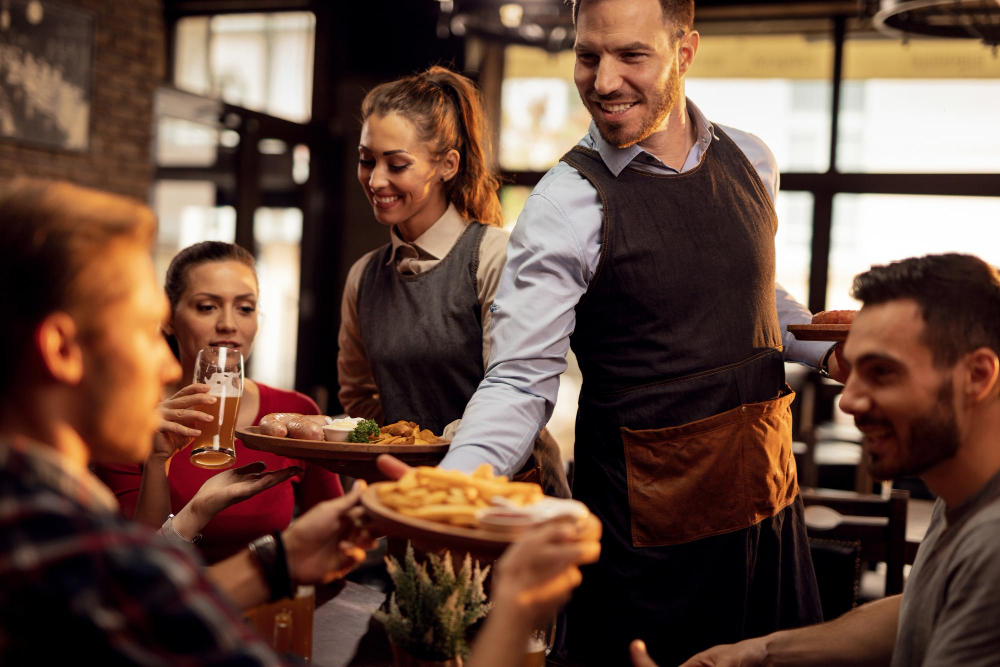
Embracing restaurant needs is one of the most important marketing strategies in today’s era. Everyone uses social media and follows different trends at various times, and as a result, everyone is interested in following those trends. By adapting to restaurant trends data, restaurants will become more competitive and a higher priority for customers. In short, keeping up with trends means staying in business.
Understanding consumer behaviour in the restaurant industry
To attract many new customers, restaurants must have a deep understanding of the consumer behaviour of their target market. Analysing this behaviour is not difficult because you can check reviews and ratings, see trends on social media, and so on. Granting customer requests or desires is essential for restaurants, and you will generate more profit if you tailor your restaurant to meet customer behaviour. Moreover, restaurants can spot patterns and build stronger connections with their audience.
What are the top restaurant industry trends?
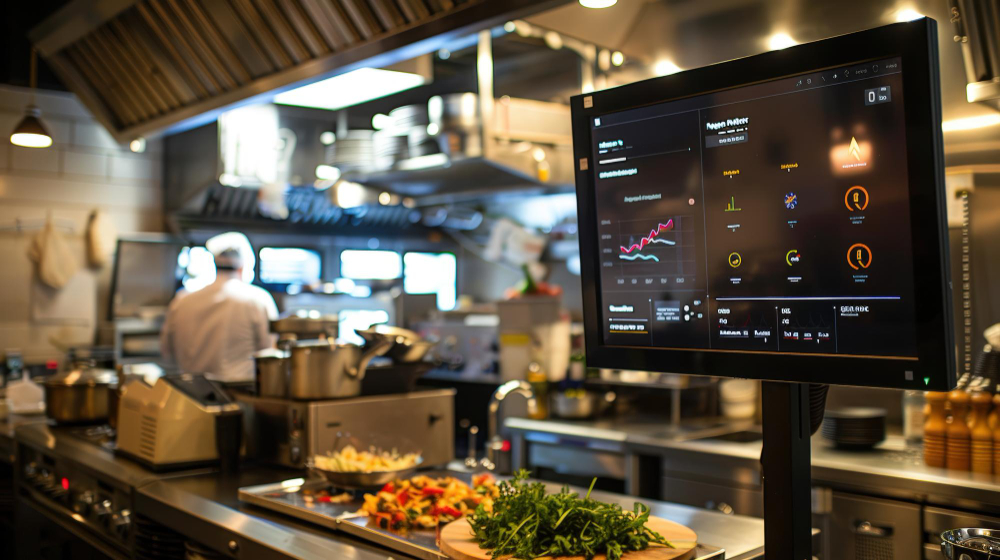
But what are the most popular trends in restaurant data? Here are the most significant trends every restaurant owner should be aware of this year.
Emphasis on sustainability
Many people will prefer restaurants that prioritise sustainability because it benefits both business and the environment. Sustainability means minimising waste, reducing water and electricity consumption, prioritising the use of local ingredients, and utilising eco-friendly packaging, among other practices. It helps improve the environment and will attract an eco-conscious customer base.
Technology integration
Living in the digital age means being able to utilise technology effectively, making work more efficient and easier. In restaurant trends data, online ordering apps and online reservation platforms are extremely popular because they enable customers to place orders quickly from their mobile phones.
Payments made through QR codes and e-wallets in restaurants allow customers to skip lengthy payment processes and avoid long queues. By adopting these tools, restaurants can operate more efficiently, serve customers more promptly, and improve overall dining satisfaction. Ultimately, it’s all about improving efficiency and convenience.
Plant-based and health-conscious menus
The rise in cases of animal suffering and exploitation has prompted many individuals to adopt vegetarianism as a means of protecting the environment. In response, restaurants are increasingly offering healthy and appealing vegan options to become more vegan-friendly. Providing these options can attract a wider audience, particularly younger consumers seeking wellness-focused food that does not compromise on taste.
AI and Automation
Utilising AI and automation is also a technological application that restaurants should incorporate into their marketing strategy. They help restaurants save on labour and improve consistency. Examples of AI and automation include providing waiter machines that can replace waiters and systems to automate bookings. It allows workers to lighten their previously heavy and busy workload.
Personalisation and customer engagement
Communicating and building relationships with restaurants can make them feel more comfortable and increase the likelihood of repeat orders. You can use a mobile app for your restaurant and provide loyalty rewards, vouchers, or even menu suggestions based on past visits. Providing customers with a variety of attractive offers while engaging with them will foster trust and long-term strong relationships.
Ghost kitchens and virtual brands
The rise of delivery apps has paved the way for ghost kitchens, or kitchens with no dine-in option, which are made purely for delivery. These low-cost setups allow restaurants to test new concepts without the overheads of a packed venue. Some businesses are even launching virtual brands, operating multiple delivery menus out of a single kitchen.
Innovative dining concepts and experiences
Dining rooms are evolving with concepts that are both appealing and enjoyable for customers seeking a great experience. Dining rooms continue to evolve. Imagine chef’s table events, themed nights, or interactive dining experiences. Customers are seeking moments they can share, not just food. Adding a touch of theatre or storytelling to the dining experience can make it more memorable and shareable on social media platforms. Even simple touches, such as an open kitchen or live music, can leave a lasting impression.
Social media engagement for promotion
A strong Instagram or TikTok presence can be more powerful than a billboard. You can use social media for many things, such as posting behind-the-scenes content, food videos, or running giveaways, which keeps followers engaged and attracted. Many diners discover new places to eat through social media platforms, and having good visibility on these platforms is beneficial. Restaurants that post regularly, respond to comments, and utilise trending sounds or hashtags are more likely to grow their following and increase bookings.
Non-Alcoholic beverages
Not everyone enjoys alcoholic beverages, especially since they are not a healthy choice. With more people reducing their alcohol consumption or even avoiding it altogether, the demand for creative non-alcoholic beverages is on the rise. These drinks are often healthier, look appealing in photos, and appeal to a wide range of people, including pregnant women, drivers, and those who are health-conscious. Having an alcohol-containing menu is undoubtedly appealing, but adding non-alcoholic beverages offers more options and is suitable for a broader range of people.
Focus on local ingredients
Supporting local farmers will help them grow. However, you will also get high-quality ingredients because local ingredients are fresher and make tastier meals. Thus, they also give authenticity to the menu you will serve. Therefore, highlighting these healthy ingredients will be a strong selling point, and you can create seasonal menu specials.
Subscription and meal kits
Subscription boxes and meal kits exploded during lockdowns, and they’re here to stay. Restaurants can package signature dishes or pantry staples into kits for customers to cook at home. It’s a smart way to keep in touch with regular customers, generate additional revenue, and increase brand awareness. Thus, it allows food lovers to recreate the restaurant vibe in their kitchen.
Strategies for implementing these trends
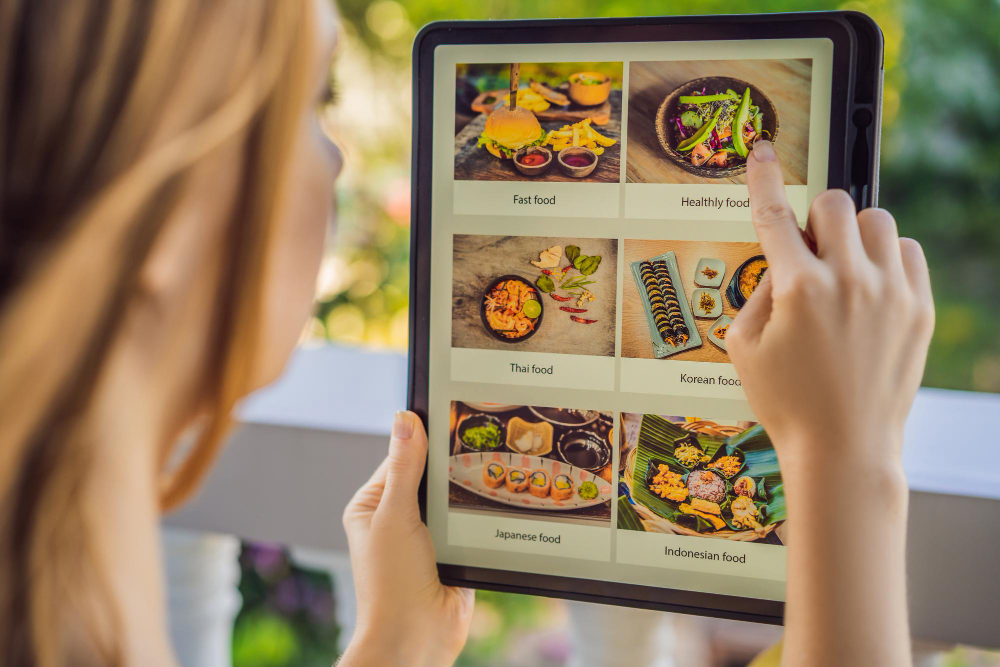
After learning about some restaurant trends data that many people love, here are some essential strategies for implementing these trends in your restaurant.
Tech-driven dining experiences
Familiarising your restaurant with technology will help you work more effectively and efficiently. It also enhances the customer experience, making it more comfortable and enjoyable. You can introduce QR code menus, online booking systems, loyalty apps, and a well-integrated POS system in your restaurant.
Nourish with nature
Use fresh and healthy ingredients to serve your diners, as good ingredients lead to excellent food quality. Moreover, let your diners know the story behind the dish, as this builds trust and connection. In addition to providing interesting and healthy flavours, it can also enhance your brand image.
Customised culinary journeys
Tailor the dining experience when possible. Offer a build-your-own bowl menu or let customers personalise their meal with optional add-ons. Take note of regulars’ preferences and use that data for loyalty rewards or personalised email offers. It’s all about making diners feel valued.
Frequently Asked Questions
What is the fastest-growing restaurant segment today?
The fastest-growing segment nowadays is fast-casual dining. It strikes a balance between quality and convenience, offering better food than fast food but with less wait and lower prices than fine dining. For example, there are poke bowls, gourmet burgers, and salad bars. This style appeals to busy professionals, young families, and health-conscious eaters who want a quick, satisfying meal without compromise.
What restaurant chain is the most profitable?
Chain restaurant with high profits are those that have a strong brand and are well-known globally. Restaurants with branches worldwide are naturally those with the highest profits. In Australia, chains such as Grill’d, and Guzman y Gomez has seen strong growth by focusing on quality ingredients and digital convenience.
What food has the highest profit margin in a restaurant?
Non-alcoholic drinks, such as coffee, tea, and soft drinks, typically have the highest profit margins. When it comes to food, items like pasta, pizza, and soup are particularly noteworthy, especially in Australia. These dishes often use inexpensive ingredients but can be sold at a significant markup. Additionally, they are easy to prepare in bulk, which enhances overall efficiency.
Conclusion
Understanding restaurant trends data is about staying relevant, competitive, and connected to your customers. By embracing current trends, such as plant-based menus and digital ordering, restaurant owners can position themselves for long-term success. The best strategy isn’t copying others. It’s knowing your market, staying flexible, and giving diners a reason to come back for more.