

The focus of a restaurant usually revolves around customer satisfaction, the likelihood of them returning, and becoming regular patrons. One key aspect of customer satisfaction is ensuring that their favourite dishes consistently taste the same every time they order them. The consistency of a restaurant in providing its menu items is crucial, and this is where restaurant recipe cards play a vital role in maintaining consistency in food preparation.
What are restaurant recipe cards?

A restaurant recipe card is a 4×6-inch card used in restaurants, usually laminated for durability and stored in an easy-to-clean recipe box. It’s meticulously kept because it contains crucial information about each recipe, including ingredients, preparation instructions, and serving notes. Additional details like allergens, preparation time, storage notes, and beverage pairings are often included. These cards serve as practical learning tools for kitchen staff to ensure the restaurant consistently serves its menu items and ensures customer satisfaction. They’re in card form to prevent smartphone distractions and maintain cleanliness and kitchen efficiency.
However, these cards don’t have to be physical; they can also be printed on paper and stored in a recipe book. Restaurants typically choose the most practical option for their needs. Some even use digital cards stored online now. The key is easy access for staff to improve efficiency while still preventing distractions from smartphones and maintaining cleanliness. This versatility and adaptability of recipe cards empower restaurant owners, chefs, and kitchen staff to choose the most efficient method for their operations, instilling confidence in their use.
Recipe Card Uses, Purpose, Importance
The presence of these cards is essential to a restaurant’s success. They are believed to maintain kitchen creativity, aid in consistent dish preparation, enhance culinary knowledge and techniques, and serve as resources for educating kitchen staff.
A Guide to Success

These cards are essential tools for guiding success in the culinary industry, not mere simple reference notes placed in the kitchen or recipe books. Restaurant recipe cards are depicted as symbols of culinary creativity and excellence because they contain carefully selected collections of ingredients and techniques that will continue to be used and serve as guidelines in a restaurant.
These cards guide chefs on specific ingredient combinations, thus supporting a chef’s success. The recipes written by these chefs can be tools to express their creativity and style. They can also serve as blueprints for culinary innovation and excellence. Not only chefs but also kitchen staff can adhere to the guidelines in the cards to pursue culinary skills and excellence.
An Artistic Tool

Cooking is an art in itself for chefs and kitchen staff. These recipe cards serve as tools in the hands of budding artists, namely the staff who use them to guide themselves through a dish’s complex flavours and textures. It’s also a way for chefs to pass their culinary creativity to the kitchen staff. Through recipe cards, chefs allow kitchen staff to know the ingredients, steps, and serving notes they’ve previously made. This ensures that their cooking artistry can be replicated by the kitchen staff and experienced by diners at the table.
Accessibility for All

Sharing doesn’t take away anything; it can lead to happiness. This makes recipe cards important for chefs and kitchen staff, where chefs can share their knowledge and methods with kitchen staff. Here, good relationships can be formed. Although some recipes may be secrets, be a part of the privacy of chefs, or part of a secret menu and should be kept hidden, sharing other recipes and making recipe cards accessible to everyone can be a step towards kindness and success.
What’s In a Recipe Card? Parts?
Recipe Name

The prepared dish’s name is crucial at the top of the page and should be written. The name should be concise and straightforward, to the point, to help card users quickly search for, find, and identify the recipe they need. An explicit name on the card can help avoid confusion or doubt among kitchen staff.
Ingredients
The second important thing to include in a recipe card is ingredients. It’s essential to list all the ingredients needed for each recipe carefully and systematically. The explanation of all ingredients should be clear, including whether they are fresh, raw, or cooked. The order of use should also be clearly stated. Ingredients that are most frequently used should be placed first to make it easier for chefs to find and measure each ingredient as they follow the recipe.
Weight and Measures
Accurate measurements are essential for creating consistent dishes. Including weights and measures on the card will facilitate recipe preparation and presentation. Whether for small spices or larger quantities of ingredients, precise measurements are crucial in achieving consistent taste and quality.
Procedure

Following the correct food preparation steps is crucial to achieving dish consistency. Ensure instructions are provided accurately from the beginning to the end of the cooking process. This includes detailed descriptions of cutting ingredients and adding final touches. It’s not just about cooking steps but also the necessary equipment. Additionally, it’s important to consider other aspects, such as cooking temperature and food safety protocols.
Serving Size
It’s important to ensure the correct serving sizes, so the recipe should clearly state how many servings it yields and suggest portion sizes tailored to different types of food. This will reduce food waste and ensure consistent serving sizes.
Recipe Card Number/Section/Meal Pattern Contribution
When rushed for time, searching for recipes can be a waste of time. Therefore, each recipe card must have a number and be sorted into specific sections, such as grains or meats. Assigning different numbers to each recipe card and organizing them into clear sections allows chefs to quickly and easily find the necessary recipes.
Cost Per Serving
Though not mandatory, including the cost per serving on recipe cards can be significantly impacted. It offers benefits such as minimizing food waste and helping businesses like restaurants accurately set their menu prices. By understanding the actual cost per serving, restaurants can optimize their operations and manage their finances more effectively.
How to make your own restaurant recipe cards
The importance of recipe cards in the culinary industry isn’t surprising, so it’s natural for restaurant owners or managers to want to know and create their own restaurant recipe cards. For the smooth operation of the kitchen, restaurant owners or chefs can follow the steps to make their recipe cards.
Assemble all the information for the recipe cards
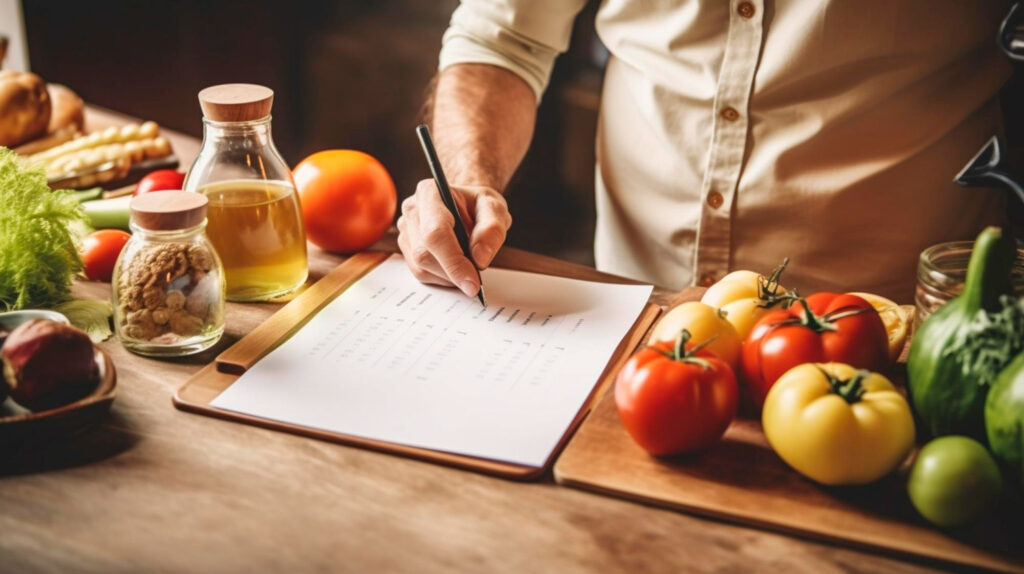
Assemble all necessary information for the recipe cards, including name, ingredients, procedure, and cost per serving. Ensure that all essential components are included in the recipe cards to facilitate their future use and enable the restaurant to consistently produce dishes for customers. Preparation for creating recipe cards involves the mentioned essential components, and you can also add serving notes and photos. Remember to include the date of the last revision so that employees know they have the latest information.
Decide on a format and level of detail for your recipe cards — and fill in your template

When designing and detailing recipe cards, consider the users’ skill levels. If experienced chefs are using the cards, brief instructions and industry abbreviations can help scan data faster.
However, if the kitchen staff is less experienced, using large fonts and more detailed steps is essential to avoid errors. You can also provide culinary terms at the back of the recipe book to explain unfamiliar terms to kitchen staff. The most important thing is to tailor the restaurant recipe card to the needs of the team using them, ensuring more efficient kitchen operations.
Get an employee to test the recipe cards

They should be created and stored in the recipe book, and let the kitchen staff try out the recipe cards. It’s best to choose a staff member or chef who has never tried the recipe before so they can identify any shortcomings and ensure that anyone other than the card’s creator can use it to prepare dishes. If the resulting dish is unsatisfactory, it indicates that there may be missing or unclear information in the restaurant recipe card instructions.
Though this step may take time, it’s essential to ensure that when chefs refer to the recipe cards, they get accurate information to prevent errors during preparation. Ultimately, it returns to the restaurant’s desire to serve consistently delicious dishes to customers.
Frequently Asked Questions
What’s the Difference Between a Recipe Card, Cookbook, and Recipes?
The difference between them lies in their functions. A recipe is a series of instructions outlining the steps involved in preparing a dish and guiding a chef through the cooking process to achieve the desired outcome. Recipe cards serve as concise notes providing various instructions for preparing dishes, including the dish name, ingredients used, portion sizes, and price per serving. Having recipe cards allows kitchen staff to reference dish preparation without consulting a detailed cookbook. Meanwhile, a cookbook serves as a comprehensive collection of recipes, offering detailed instructions and additional insights into food preparation techniques.
Where Can I Find the Recipe Card for My Meal?
You can find recipe cards through various platforms, such as online platforms, cookbook apps, cooking classes, or even create them yourself. Many websites or cooking blogs offer printable recipe card templates along with their recipes, which are sometimes customizable. You can specifically search for the cuisine you want to turn into recipe cards and download it. If you create them yourself, you can rely on templates available online or design them according to your preferences and needs. Or just simply use tools like Microsoft Word to make it simple
How to Display Recipe Cards?
There are many options for displaying recipe cards, the most classic being a recipe box for storing the cards, typically kept in the kitchen. Placing restaurant recipe cards in a recipe box allows for organization and easy access whenever kitchen staff need them. If not a recipe box, they can also be stored in a binder, folder, or recipe book. Also, hanging clipboards on walls or inaccessible areas and attaching recipe cards to them can be helpful. The key is to place them in a safe and easily accessible location.
Conclusion
More than just jotting down recipes from chefs, recipe cards are crucial in the culinary industry. They can lead a restaurant to success by ensuring consistent dishes for customers, especially those returning to savour their favourite meals.
In addition to capturing brilliant chef recipe ideas, recipe cards also explain many detailed aspects that help restaurants serve dishes consistently to customers. It’s essential for recipe card creators to ensure that the cards can be used by anyone, especially those who have yet to cook the dishes listed on the cards. It’s best to tailor both the creation and storage of recipe cards to suit their future users.