

A restaurant doesn’t always have a bustling crowd of customers. There are times when it may be packed and times when it’s not, influenced by various factors like the menu, atmosphere, and location.
This underscores the importance of identifying your restaurant peak hours and capitalizing on this knowledge, as it can significantly impact your business’s success.
During these busy periods, you can efficiently schedule your staff, provide a seamless dining experience for your customers, and maximize your revenue. Conversely, recognizing the slower times enables you to implement strategies that maintain a steady business flow throughout the day.
If you’re eager to learn how to make the most of your restaurant’s peak hours, read on in this article!
How To Stay Productive During Restaurant Peak Hours
Restaurant peak hours can pose challenges for staff, as they’re typically quite hectic and may lead to confusion. However, there’s no need to fret.
Here’s a solution to help your restaurant maintain productivity during these peak times!
Start Serving Small Plates during Off-Peak Hours

During the off-peak hours, people often preferred snacks or sought to save money and became less strict about sticking to the traditional three meals. Serving small plates can cater to this changing preference and enhance the dining experience.
Small plates allow customers to enjoy a variety of flavors without committing to a full meal, making it a flexible and appealing option during these less crowded periods.
Furthermore, this approach presents your restaurant with an opportunity to cut down on food costs and minimize waste, all while maximizing revenue during peak hours.
Install Self-Service Kiosk

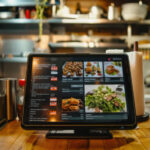
The self-service kiosk is becoming increasingly commonplace as technology continues to advance. It’s all because customers value convenience and efficiency more than ever, and this tool can help a restaurant during the busiest hours.
By using the Pont-Of-Sale (POS) system integrated into the self-service kiosk, restaurants can streamline their operations, reduce wait times, and enhance order accuracy.
Customers appreciate the ability to customize their orders, make secure payments, and even provide real-time feedback, all at their own pace.
Train Staff to Manage Kitchen Workflows

Make sure your restaurant managers provide thorough training for the staff so they can easily adjust to the way the kitchen operates.
This staff training not only makes the restaurant run more smoothly during peak hours but also helps your team consistently prepare and serve food at a high level.
By teaching them the right methods, time management, and how to communicate effectively, your staff will be better at handling the busy kitchen environment.
Provide a Channel to Let People Share Feedback

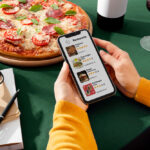
A restaurant needs to establish a channel that allows people to share feedback, especially in today’s digital age. With the widespread use of mobile apps, providing a user-friendly platform for customers to express their thoughts and concerns has become more accessible than ever.
This feedback loop not only helps gather valuable insights but also serves as a crucial avenue for customers to voice their opinions, particularly when they’ve had poor customer experiences.
If you’re having a difficult time dealing with bad restaurant reviews, consider reading our article on the subject
Never Shut Down Ordering Channels

Making your specific food ordering channels always available will not only enhance customer satisfaction but also contribute to increased revenue and brand loyalty.
Customers appreciate the convenience of placing orders at any time, whether a spontaneous craving in the middle of the night or a planned family dinner during peak hours.
Additionally, open ordering channels allow you to adapt to changing circumstances, such as unforeseen events or market trends, ensuring your business remains agile and competitive in the ever-evolving food industry.
Frequently Asked Questions
How do you know if a restaurant is struggling?
You can often tell if a restaurant is struggling by observing various indicators. One clear sign is a noticeable decline in the number of customers during the dinner rush.
If a restaurant that used to be bustling during peak dining hours suddenly has empty tables or a significant drop in reservations, it may indicate financial difficulties.
How do restaurants attract more customers?
To attract more customers, consider implementing strategies such as updating the menu to offer fresh and exciting options, improving the overall dining experience, holding special events like happy hour, and enhancing your online presence through social media.
Why are restaurants so noisy?
Restaurants are often noisy due to design choices prioritizing aesthetics over acoustics, including hard surfaces that amplify sound. The close quarters and the chatter of diners, coupled with background noise, also contribute to the overall noise level.
Conclusion
Managing a restaurant during peak hours is essential for its success. Recognizing and capitalizing on these busy periods can help you schedule staff efficiently, provide a seamless dining experience, and maximize revenue.
During busy times, efficient staff scheduling, small plates during off-peak hours, self-service kiosks, and kitchen workflow training are key strategies. Providing a feedback channel for customers and keeping ordering channels open at all times also boosts satisfaction and resilience.
By addressing these factors, a restaurant can thrive in a competitive industry!