

As a restaurant owner, staying on top of restaurant equipment maintenance is key to avoiding unexpected breakdowns. Are you following a proper maintenance schedule for your kitchen equipment?
Regular inspection and preventive maintenance of items like your HVAC system, fryers, water filters, ice machines, freezer, and refrigeration equipment can prevent costly equipment failures and reduce downtime. A well-executed maintenance checklist will ensure everything stays in working order.
Want to keep your equipment running smoothly and extend its life? Read our guide to restaurant equipment maintenance below!
What is Preventive Restaurant Equipment Maintenance for Restaurants?
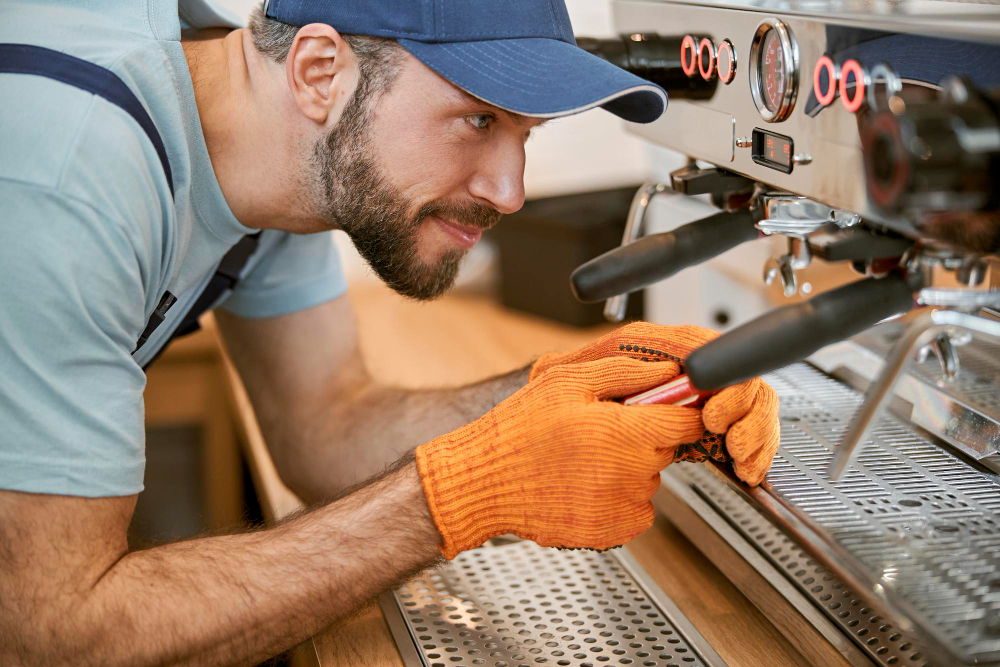
Preventive maintenance for restaurants involves routine inspection and service of restaurant equipment to prevent costly breakdowns and extend its lifespan.
Instead of waiting for problems to occur, it includes tasks like cleaning grease buildup, replacing filters, and inspecting refrigeration equipment to ensure everything is in working order.
The process typically focuses on equipment with the highest maintenance demands and critical roles in restaurant operations.
Why is Proper Restaurant Equipment Maintenance Needed?
Regular maintenance of your restaurant machinery is a must to keep your kitchen running smoothly and avoid unexpected issues. But why exactly is it so important? Let’s break it down.
Saves Cost
Routine preventive maintenance helps you avoid costly repairs by addressing small issues early.
It also ensures your equipment runs efficiently, lowering your energy bills and reducing overall operating expenses.
Higher Resale Value
Properly maintained equipment has a higher resale value because it shows less wear and tear. Buyers are more likely to pay top dollar for restaurant equipment that’s been well cared for and in working order.
Prolonged Equipment Lifespan
Regular maintenance tasks such as inspecting for wear and tear or cleaning help extend the life of your kitchen equipment. Preventive care keeps your appliances running longer, delaying costly replacements.
Increased Operational Efficiency
Well-maintained equipment allows your restaurant to operate at peak efficiency. With fewer breakdowns and smoother workflows, your kitchen stays productive, ensuring timely service and less downtime.
Health and Hygiene
A study found that cross-contamination events from dirty equipment or utensils to ready-to-eat foods were observed in 14.9% of restaurants.
Hence, maintaining clean and properly functioning equipment is vital for avoiding similar cases in the restaurant industry.
Regular inspection and cleaning prevent contamination, helping your restaurant uphold hygiene protocols and provide a safer environment.
Tips and Best Practices for Restaurant Equipment Maintenance
Proper care of your restaurant equipment ensures smooth operations and reduces repair costs. Here are some quick tips and best practices to help keep your cooking equipment running efficiently.
Regular Cleaning
This might seem obvious, but it’s often neglected. Proper cleaning prevents grease buildup, food residue, and debris from clogging up your equipment, which can lead to costly repairs.
Key appliances like fryers, refrigerators, and ovens should be cleaned according to a set schedule to maintain efficiency and ensure compliance with health and safety standards.
Follow the Manufacturer’s Instructions
Any restaurant equipment comes with specific instructions from the manufacturer for a reason. These guidelines are designed by the manufacturers to ensure proper operation and longevity.
Following the manufacturer’s instructions for cleaning, preventive maintenance, and operation can help prevent unnecessary damage and avoid voiding your warranty.
Regular Inspections
Regular checks help you keep track of any wear and tear or developing issues like leaks, odd noises, or inefficient performance.
Inspections should include checking components such as filters, seals, and moving parts. This way, you can catch small problems early and avoid larger, more expensive repairs.
Professional Servicing
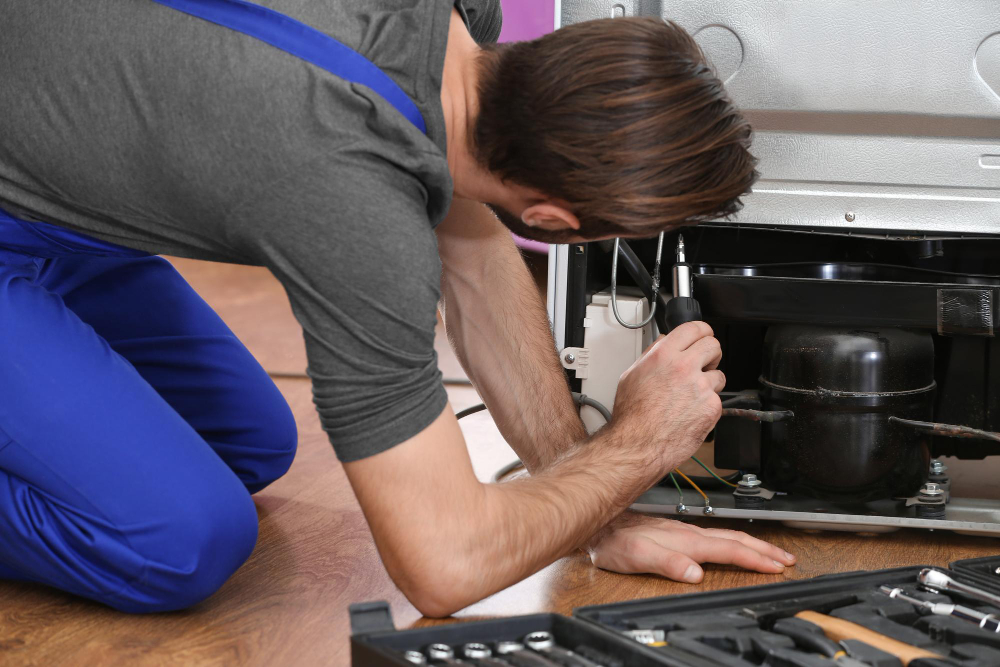
While daily maintenance is essential, scheduling professional servicing provides a more thorough evaluation of your equipment.
A professional technician can identify issues you might not notice, perform detailed checks, and make necessary repairs or adjustments.
Use the Right Tools
Tools like specific filters, brushes, or cleaning products may be recommended for certain machines, and using incorrect tools can lead to increased wear and tear.
Thus, always consult the manufacturer’s instructions to ensure you use the appropriate equipment for tasks like cleaning grease traps or maintaining refrigeration units.
Maintain the Warranty
Maintaining your restaurant equipment’s warranty is essential to protect against unexpected repair costs.
To do so, ensure you follow the manufacturer’s instructions for care and keep up with regular preventive maintenance. Any missed maintenance or misuse can void the warranty, leaving you responsible for repairs in your commercial kitchen.
Keep records of all professional servicing, repairs, and inspections to ensure you’re covered for your warranty claim.
Address Issues Promptly
When an issue arises with your restaurant equipment, such as a malfunctioning vent, it’s important to address it right away. Ignoring minor problems can lead to bigger issues, costly repairs, or even full equipment failure.
A small malfunction in your refrigeration system, for example, can quickly turn into a major breakdown if not fixed immediately. Encourage your staff to report problems promptly so they can be handled before they affect operations and lead to increased maintenance costs.
Train Your Staff
Ensure your employees know how to operate each piece of equipment correctly and follow preventative maintenance procedures.
Well-trained staff can recognize signs of malfunction early. When employees understand how to care for the equipment, they can help minimize wear and tear and keep everything running smoothly.
Frequently Asked Questions
How would you maintain the equipment at the restaurant?
Maintenance includes regular cleaning, inspecting for wear and tear, replacing filters, and scheduling professional servicing to keep the equipment in working order.
What is an equipment maintenance checklist?
An equipment maintenance checklist is a detailed list of tasks for maintaining restaurant equipment, ensuring regular cleaning, inspections, and servicing to prevent failures.
What is an equipment maintenance schedule?
An equipment maintenance schedule is a plan that outlines how frequently each piece of restaurant equipment should be cleaned, inspected, and serviced to maintain efficiency.
Conclusion
Regular restaurant equipment maintenance is vital for reducing costs, extending the life of your equipment, and ensuring efficient kitchen operations.
So, have you been taking the necessary steps to maintain your equipment?
Just as proper maintenance is crucial, a strong digital marketing strategy is important for driving traffic and boosting your restaurant’s success.
If you’re looking for tailored digital marketing solutions, reach out to SEO for Restaurants and let us help you take your restaurant to the next level.