

In today’s bustling world, Quick Service Restaurant (QSR) have emerged as the go-to spots for those seeking quick and convenient dining options. Unlike traditional full-service restaurants, They focus on providing efficient food service without the need for table-side assistance. Typically associated with fast-food establishments, these eateries streamline the ordering process to cater to customers on the move or those with limited time.
Drive-thrus are a common feature, simplifying the ordering experience for patrons. From small kiosks to large chain restaurants, QSRs come in various sizes but share a common goal of delivering fast and convenient service. In response to the demands of modern lifestyles, QSRs have proliferated across the globe, offering affordable and readily accessible fast-food options.
What Is a Quick-Service Restaurant?

QSR is a type of restaurant that prioritizes efficient food service. Unlike full-service restaurants, they usually don’t have table service, where diners can sit and eat their food leisurely. The menu offered is also more limited compared to full-service restaurants.
This type of restaurant is usually synonymous with fast-food restaurants, where fast service is the priority. Although the emphasis is on quick service, it still considers the convenience of customers who are usually on the go or those with limited time to order and eat their food. Usually, QSRs provide a drive-thru to make the ordering process simpler and faster. As for the system used, they typically use a simple POS system.
QSRs vary in size, whether it’s a small kiosk or a large chain restaurant. Whatever the size, they consistently prioritize fast service and convenience. They are needed in this fast-paced era, where people prefer to eat fast food at an affordable price. It’s no wonder that QSRs have become commonplace and easy to find in various parts of the world.
Types of QSR
Quick service restaurants offer a variety of dining experiences. Some offer an experience where customers do everything themselves, while others provide staff assistance. Here are the types of QSRs that make each unique.
Self service restaurants

QSRs are mostly under the category of self service establishments. As its name, these services allow customers to do everything themselves regarding food purchases. From ordering, paying, and even picking up their food. In self-service, customers don’t need the help of waitpersons. Usually, this restaurant provides an automated kiosk or mobile app that can be accessed directly by customers who want to order and pay.
When placing an order, customers can customize their food choices according to their tastes. Then, they will complete the payment through the automated kiosk or mobile app. In this case, customers can interact without interacting directly with restaurant staff.
This kind of self-service is beneficial not only for customers who need fast service in getting their food. It also benefits the restaurant staff, who can focus on preparing the food that customers have ordered. In addition, the restaurant can reduce labor costs because there is no need for staff to serve customers from ordering to payment.
Assisted self service restaurants

Some QSRs are introducing a concept called assisted self-service restaurants. With this service, customers can still get the fast service and efficiency they want, but they can also experience the feel of dining in a traditional restaurant.
Unlike self-service restaurants, assisted self-service restaurants allow customers to experience two different experiences. The experience is the convenience of self-service combined with the personal interaction of traditional restaurants. This combination of technology and human interaction can offer customers an optimized and enjoyable experience.
Customers will still use automated kiosks or mobile apps to place their orders. As for taking their food, customers will not do it themselves. They will be assisted by staff who will deliver the food to their table. If customers need assistance, the staff will be on hand to help. This combination of experiences in assisted self-service restaurants can allow regular customers to experience minimal waiting time and staff to focus on their essential tasks.
Full serviced restaurants

Unlike the other QSR types, full-service restaurants provide a more extensive and detailed level of service. This type of restaurant offers a dining experience similar to that of a traditional restaurant. In this place, customers are assisted entirely by the waiters, from taking customer orders to delivering them to the kitchen. The waiters will even help with menu selection if needed. The waiterpersons will also deliver the order to the customer’s table.
Here, the waiter ensures that the customers have everything they need during their stay in the restaurant. Full-service restaurants also usually provide more detailed facilities, such as refill service for drinks or other special requests. With this type of service, customers can experience a more relaxed and comfortable dining experience, where they can enjoy their food at their own pace while receiving full service.
Although it can provide a high level of convenience and service, this type of QSR tends to have higher operational costs. Compared to self-service and assisted self-service restaurants, this restaurant requires more staff.
Example of Quick Service Restaurants
QSRs offer a wide range of customized options for quick and convenient dining. From pizza parlors to fried chicken stands, they prioritize quick service at affordable prices, catering to busy individuals or people on the go. Here are some examples of popular QSRs.
Pizza Parlor
Pizza parlors are one of the main quick service restaurants. A favorite among food enthusiasts, pizza parlors provide pizza with a variety of mouth-watering toppings. Customers can choose toppings according to their tastes, from classic pepperoni to meat lovers with lots of delicious fillings to healthy vegetarians.
What makes pizza parlors stand out is the convenience of quick service and their ability to customize customers’ orders. Whether it’s choosing toppings, bread thickness, or other unique options such as gluten-free, staff can also help customers with menu selection when needed. Pizza parlors will make sure customers get what they want but still prioritize fast service.
With their fast service, pizza parlors can satisfy customers’ desire to eat pizza on the go or enjoy a shared dining experience with friends and family. They can quickly get the pizza they want with fresh heat from the oven.
Sandwich Shop
Sandwich shops offer a wide variety of sandwiches, wraps, and subs. Bread, meat, cheese, vegetables, and sauces are available. Customers can create their own customized mix of bread, fillings, condiments, and sauces. The menu ranges from classic to special and out-of-the-box.
Not only do they provide various options, but also usually use fresh and high-quality ingredients. This is a plus point for those who want to eat fast yet healthy food. Customers can also adjust their diet accordingly. This proves that fast food can be compatible with health.
In this busy era, many people seek out sandwich shops. It’s perfect for those who want to grab lunch during a busy time. They can also take home for dinner without hassle. Customers can eat the food they want at an affordable price. Sandwich shops combine customer satisfaction and fast service.
Hamburger Joint
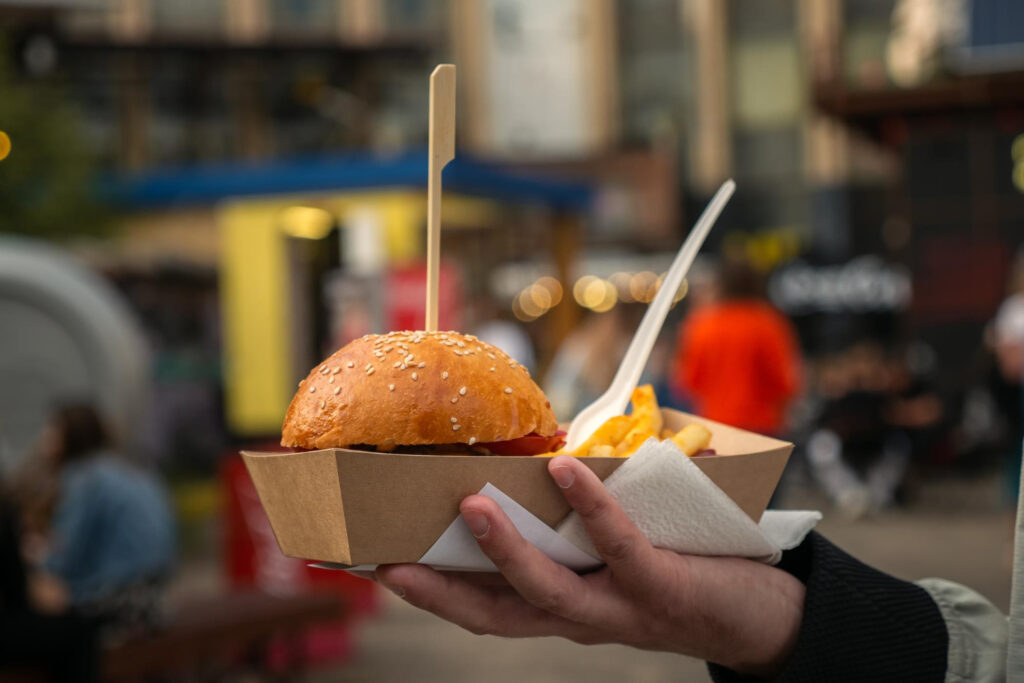
Hamburger joints are eateries that specialize in serving hamburgers. A hamburger joint proudly offers a wide selection of burgers that can be customized according to the customer’s taste and preferences.
Besides hamburgers, various side dishes, such as the classic side dish of fries or onion rings, are essential to accompany the main dish. It is also common for hamburger joints to provide unique side dish offerings. To wash down their meal and refresh their mouths, customers can choose various beverage options, such as milkshakes, iced tea, sodas, or other beverages.
Aside from focusing on the food, hamburger joints often provide a distinctive venue. They usually have a casual and relaxed atmosphere, making them a popular destination for families, friends, and individuals. This distinctive place and atmosphere allow customers to feel relaxed while eating their burgers, sides, and drinks.
Fried Chicken Stand
Who doesn’t love fried chicken that is savory and crispy on the outside but juicy on the inside? Fried chicken stands are one of the most popular among fast food lovers. They usually serve crispy golden-brown fried chicken with a blend of herbs and spices to enhance the flavor.
At fried chicken stands, customers can choose the chicken parts they like, such as breasts, wings, or thighs. Some stands offer chicken pieces with or without bones so customers can adjust to their preferences. Customers can also choose the size of the chicken pieces.
One of the things that makes fried chicken stands so popular is their fast service and affordable prices. Customers can order and receive their food in just a few minutes, which is very helpful for those who are very busy, such as customers who are busy traveling.
Quick Service Restaurant (QSR) Strategy
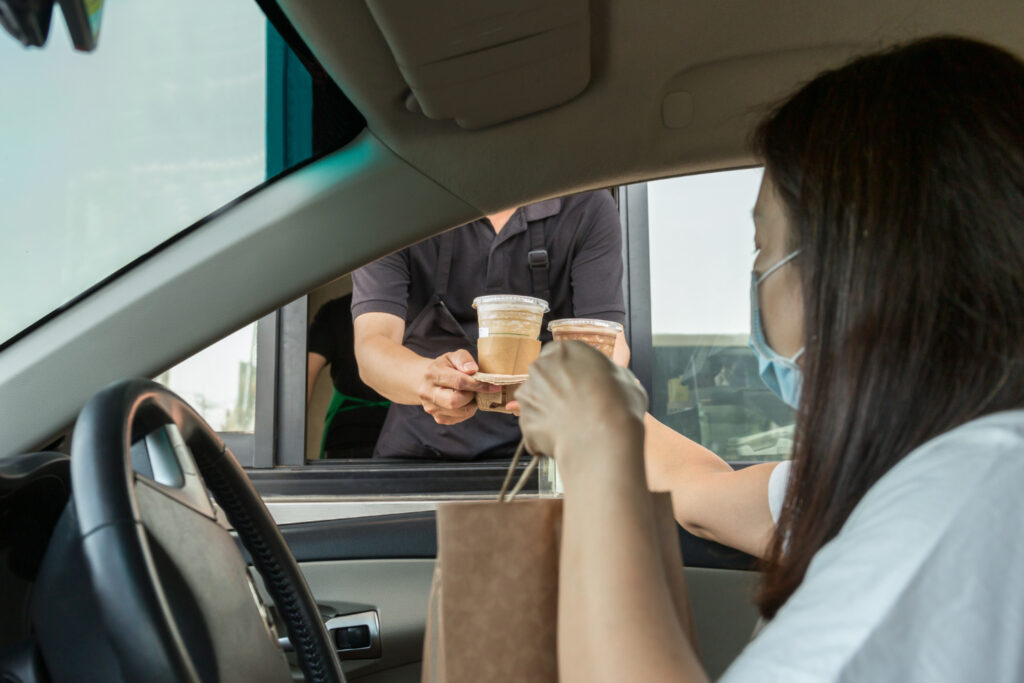
QSRs need to use various strategies to optimize their operations and attract customers in the competitive food service industry.
One common strategy is to provide service variants, such as a more modern drive-thru model or on-site food options. The use of technology is also a strategy to attract customers. Using automated kiosks or mobile apps to order can speed up the ordering process and reduce waiting time. This strategy suits busy individuals seeking convenience and speed in their dining experience.
QSRs typically use a package pricing strategy, which combines several food items on the menu into a complete meal package. For example, a meal plan includes a main course, side dishes, and drinks. Customers usually choose package menus instead of buying individual menus, which can be more expensive. Quite often, QSRs provide attractive discounts on packaged meals to attract customers. This strategy can increase sales because it encourages sales with the discount.
QSRs should prioritize customer satisfaction and loyalty through various effective strategies. For examples include engaging social media, a user-friendly and up-to-date site, SEO optimization, responding to online reviews, collaborating with other businesses, and rewarding loyal customers with discounts or vouchers.
5 Key Features of a QSR Restaurant
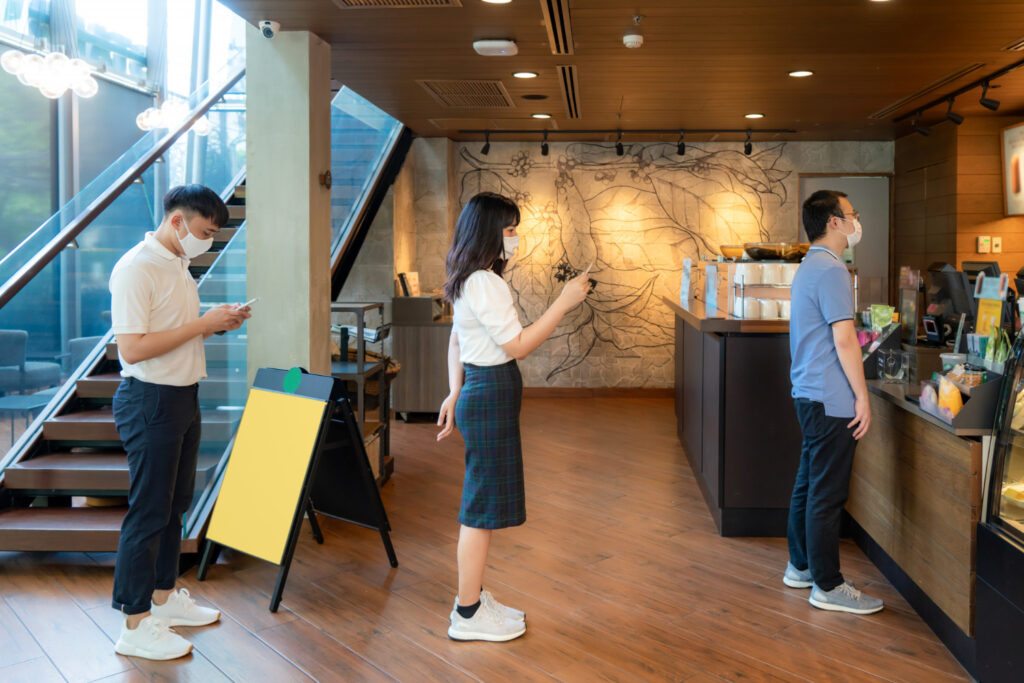
In this modern and fast-paced era, this type of restaurant is the backbone of contemporary dining venues that are sought after by busy individuals. Customers want fast and convenient food without compromising on taste. Let’s discuss the five key features that define QSRs.
No table service
A distinctive feature of QSRs is the absence of table service for dine-in, as in many traditional restaurants. Customers typically order at a counter, automated kiosk, or mobile app, where the main goal is efficiency. This self-service model reduces wait times, so customers can enjoy their meals without waiting as long as in a restaurant.
QSRs are usually aimed at busy or on-the-go people who don’t need a table to dine in. Similarly, customers can already get the food they choose without having to wait for the waiters to deliver it to the table. Customers will take home the food they ordered to eat at home, at work, or in the car.
Therefore, the no-table service at QSRs not only speeds up the ordering and takeout process but also allows flexibility for customers to enjoy their meals according to their needs and schedules.
Fast service
Speed is the key feature that must be present in QSRs. When a customer walks into the restaurant or stops at the drive-thru, the clock is ticking to deliver the customer’s order as quickly as possible. This fast service can use a combination of pre-prepared ingredients, efficient kitchen workflows, and trained staff ready for action.
This promise of faster service makes QSRs a go-to for busy people who want speed, especially during peak hours or essential times. It’s not uncommon for them to gain loyal customers because of their consistent service of speed and convenience. Customers don’t have to spend more time on the order to process the payment. With fast service, customers can have time to enjoy their food instead of waiting.
A limited menu
QSRs rely on simple menus, which means they have a limited menu. By offering limited food options, restaurants can focus on other important things, such as ensuring that each dish is prepared and served quickly and consistently. One of the main keys for QSRs is fast service, which requires them to prepare and serve customers’ orders as soon as possible.
A limited menu can help speed up decision-making for customers who usually need clarification about which menu to choose, resulting in shorter waiting times for the next customer. Although the menu options are limited, QSRs focuse on quality, taste, and the ability to serve many customers efficiently. This can significantly benefit diners who want to enjoy a delicious meal quickly and at an affordable price.
With a limited menu, they can manage ingredients inventory more efficiently, minimize waste, and improve service speed. This allows restaurants to maintain consistency in food quality and waiting time, which are crucial factors in customer satisfaction at QSRs.
Food to go
Efficiency and convenience are essential to QSRs, given today’s fast-paced world. QSRs understand that speed and ease of access are priorities for many customers. In bringing efficient service and convenience to customers, QSRs also emphasize grab-and-go food options through well-designed packaging for on-the-go meals or drive-thru options for those who want to stay in their cars. Here, QSRs understand the need for mobility in the dining experience that people who wish to get their food in a fast-paced manner require.
QSRs’ to-go food options accommodate mobility and offer delicious menu variations. With a wide selection of convenient and delicious meals, QSRs provide options to suit customers’ dietary preferences and needs.
On-the-go food options are attractive for commuters, busy families, or anyone who needs a quick meal without having to wait or clean up after their meal. They bring the convenience of fast food directly into the hands of customers wherever they are, making their dining experience more practical and efficient.
Low price points
Affordability is the irresistible appeal of QSRs to early-morning customers. They offer food at prices that may be hard to find in traditional restaurants at such an efficient pace. While the prices are affordable, the taste and quality of the food are still preserved. Instead, this affordability is achieved through efficient operations, focused menus, and fast service.
The combination of affordable prices, fast service, and good food quality and taste makes QSRs a favorite among busy people, students, or families on a budget. People who want to enjoy good food without breaking the bank often turn to QSRs when hungry. This exciting combination is hard to find in restaurants other than QSRs.
It’s no wonder that this combination keeps customers returning and makes them loyal. QSRs’ reliability in consistently providing delicious, fast and affordable food is the main factor that keeps it in demand among the masses.
The Benefits of Opening a Quick-Service Restaurant
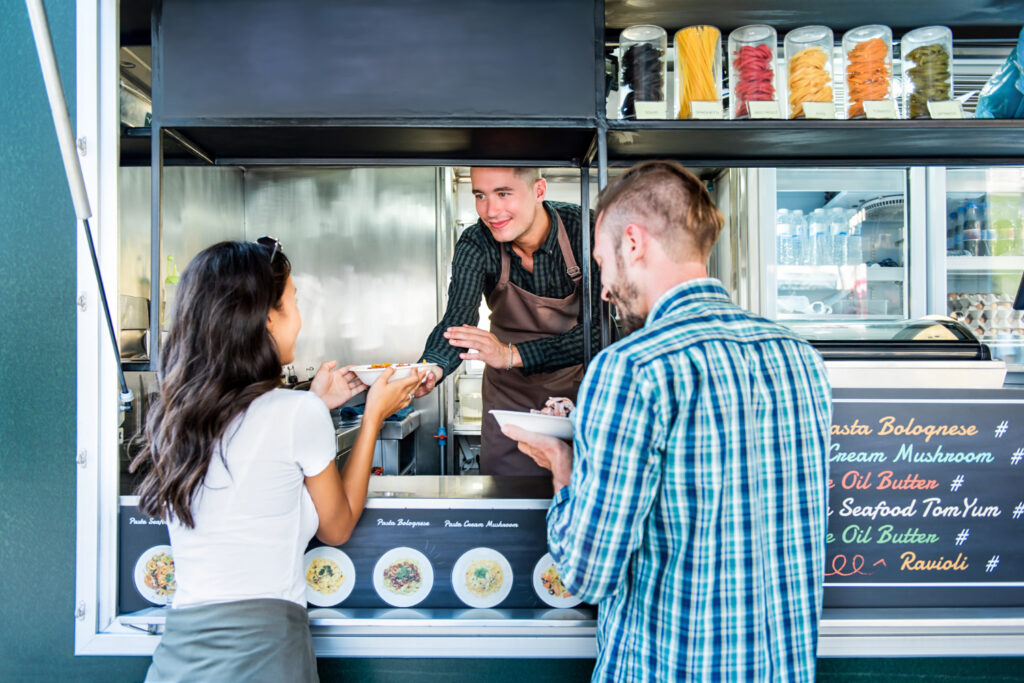
QSRs stand out as dynamic culinary innovations and entrepreneurial opportunities in the ever-evolving food industry. Beyond satisfying hunger, these restaurants offer many advantages for restaurateurs looking to compete in a competitive market. Here are the multifaceted benefits of opening a QSR.
Franchising
One of the most attractive benefits of opening QSRs is the potential for franchising. Aspiring entrepreneurs can set up their fast-food restaurants within the framework of an established parent company. By opting for franchising, entrepreneurs can capitalize on the familiarity and trust consumers already have with the established brand.
Familiarity can simplify building a customer base, as customers are more likely to gravitate towards a recognizable name. In addition, utilizing an established and well-known brand allows entrepreneurs to keep marketing costs relatively low. As a result, prospective franchise entrepreneurs can start their business right from the first time they open an outlet by capitalizing on customer loyalty and existing brand reputation without having to introduce their brand to the public and do massive marketing.
It is common for franchises to provide franchisees with training and support from the parent company, such as initial preparation of operations management or marketing strategies for quality control.
Low Operating Costs
In the restaurant business, QSRs stand out for its ability to maintain low operating costs compared to full-service restaurants. This is mainly due to customers opting to take their food home. Thus, the restaurant can rent a limited space as it does not require a place for dine-in, making the rental cost less. The same goes for the cost of staff, which only requires a little staff as customers are self-service.
When looking at the cost of ingredients, these restaurants tend to be lower because they usually offer the same menu that doesn’t change occasionally. As such, they can buy ingredients in bulk, benefiting from economies of scale and lower per-unit costs.
A simple menu can facilitate inventory management by reducing the risk of food wastage. Lower operating costs result from a combination of factors, from reduced rental costs to simple menus to basic food supplies.
High Customer Turnover
High customer turnover plays an essential role in the success of restaurant operations. Restaurants capitalize on the phenomenon of customers preferring to take their food home or use the drive-thru. Although some customers decide to dine in, they usually won’t occupy a table for a long time compared to customers in traditional restaurants.
This way, empty tables will be available faster for the next customer who wants to dine in, allowing the restaurant to serve many customers at the same time. The restaurant’s revenue also increases with more customers served in a shorter period. Sure, it’s beneficial for the restaurants.
With high customer turnover, consumers who want to be fast-paced prefer this restaurant model. Restaurants can cultivate loyal customers and increase their competitiveness in the food service industry.
Difference Between QSR Restaurants and Fast-Casual Restaurants?

Quick Service Restaurants and Fast-Casual Restaurants offer contrasting dining experiences. QSRs prioritize speedy service and affordability, while fast-casual places emphasize quality ingredients and diverse menus. Despite their differences, both aim to meet the varied needs of today’s diners.
QSR Restaurants
QSR Restaurants emphasize efficient service that is still convenient. They are perfect for satisfying customers’ hunger on the go or who need to get their food faster. These restaurants combine speed of service and simplicity in many areas, perfect for the fast-paced lifestyle of today’s consumers.
QSRs usually focus on where customers can order and pick up their food. In addition, they have shorter waiting times, so customers can get their food not long from where they ordered. They also have a limited standard menu to match the fast service, be it in customer menu selection or the food preparation process. However, they often serve less healthy food than traditional restaurants because they focus on fast food.
They also support their fast service by preparing and cooking large quantities of food in advance, so service can be faster. However, efforts are made to maintain the flavor and freshness of the food. Prices are usually more affordable, and access to places is easy. They are suitable for those who want to eat well at an affordable price without sacrificing taste and quality.
Regarding space, these restaurants are usually minimalist, avoiding elaborate furnishings and prioritizing functional design. Customers can eat their meals leisurely, but it tends to take short for them to dine in. Many restaurants also need to provide tables for customers to dine-in. They prioritize a mix of speed, convenience, and affordability.
Fast-Casual Restaurants
Fast-casual restaurants distinguish themselves from traditional quick service establishments by emphasizing the quality of their ingredients rather than the speed of their service. While they still offer efficient service, it’s delivered at a more relaxed pace, allowing for greater attention to detail in ingredient selection and preparation. Customers may still order through automated counters or kiosks, similar to QSRs. Still, the difference lies in the customization options and the meticulous preparation of each dish, which often takes more time.
Unlike QSRs that rely heavily on pre-packaged and processed ingredients, fast-casual restaurants prioritize using fresher, higher-quality ingredients. As a result, the dishes they serve are not only more flavorful but also healthier. The menus at these establishments are typically diverse, offering a wide range of options to cater to various tastes and dietary preferences. Despite the elevated quality of their ingredients, they generally maintain affordable prices, making them accessible to a broad range of customers.
In addition to focusing on food quality, this restaurants prioritize creating a welcoming and comfortable dining environment. While QSRs often feature utilitarian and cramped spaces, fast-casual establishments tend to invest in stylish decor, cozy seating areas, and spacious dining areas. This attention to ambiance encourages customers to linger and enjoy their meals on-site, enhancing the overall dining experience.
The combination of fast service, high-quality ingredients, inviting ambiance, and reasonable prices has made fast-casual restaurants popular for diners seeking a balance between convenience and quality. Whether patrons are looking for a quick meal on the go or a leisurely dining experience in a comfortable setting, they offer a compelling option that meets their needs and preferences.
Frequently Asked Questions
Is a cafe a QSR?
A cafe is not typically considered a QSR. While both cafes and QSRs offer fast food options, cafes often focus more on coffee, pastries, and light meals served in a more relaxed atmosphere. Customers frequently visit cafes to take a coffee break, meet with friends or colleagues, or work remotely in a comfortable place. Cases usually emphasize providing a comfortable and relaxing atmosphere where customers can linger and enjoy their food and drinks at their own pace. On the other hand, QSRs specialize in giving quick meals that are often pre-prepared and served in a fast-paced environment.
What makes QSR successful?
QSRs thrive on operational efficiency, diverse menus, competitive pricing, effective marketing, and customer satisfaction. Streamlined service processes, consistent food quality, and attractive pricing draw in customers, while robust marketing efforts and strong branding foster loyalty. Creating a welcoming dining environment with clean facilities and friendly service further enhances the customer experience. By balancing speed, quality, and affordability, QSRs cater to a broad customer base and maintain competitiveness in the market. With a focus on operational excellence, culinary innovation, and customer-centric strategies, QSRs continue to succeed in the dynamic food service industry. Adapting to changing consumer preferences, embracing technology, and staying ahead of industry trends are also crucial for QSRs to remain relevant and thriving in the long run.
How do you manage a quick service restaurant?
Managing a quick service restaurant demands comprehensive oversight across staffing, operations, customer service, marketing, and finances. It involves effectively hiring and training staff, maintaining kitchen operations, ensuring compliance with health standards, and providing top-notch customer service. Implementing robust marketing strategies, such as social media campaigns and loyalty programs, is essential for attracting and retaining customers.
Additionally, adept financial management, including cost optimization and profitability enhancement, is vital for long-term success. By harmonizing these elements, quick-service restaurant managers can create an environment conducive to operational efficiency, exceptional service delivery, and sustained profitability, ensuring the restaurant’s continued success in a competitive market.
Conclusion
In conclusion, quick service restaurants play a vital role in today’s fast-paced dining landscape, offering quick and convenient food options for busy individuals. With their focus on efficient service, affordability, and accessibility, QSRs have become a staple choice for those seeking a speedy meal without compromising on taste. From the absence of table service to their streamlined menus and grab-and-go options, QSRs cater to the needs of customers on the move, ensuring a seamless dining experience.
Moreover, the success of QSRs lies in their ability to adapt to changing consumer preferences, leverage technology for operational efficiency, and prioritize customer satisfaction. As the demand for fast and convenient dining options continues to rise, QSRs remain a dynamic and resilient segment of the food service industry, serving a diverse range of customers with their distinctive offerings.