

For event organizers, the main goal of hosting an event is to ensure it runs smoothly and successfully. One way to significantly enhance the guest experience and event success is by providing an open bar. This not only ensures guest comfort but also adds a touch of hospitality that can make your event stand out.
Having an open bar can enhance the hospitality of event organizers and make guests feel happier during the event.
However, providing an open bar at an event requires some attention to detail, as there are pros and cons to consider.
What Is An Open Bar?

An open bar is a designated space or service offered by the event host, providing guests with a range of beverages at no cost, eliminating the need for them to worry about paying for drinks individually or settling a tab at the end of the event. Unlike a regular bar, where guests need to purchase and pay for their own drinks, the open bar costs are covered by the event organizer. Open bars usually offer a wide range of drinks to cater to different tastes, from wine and beer to spirits and soft drinks. It’s a one-stop shop for all your guests’ beverage needs, adding to their enjoyment of the event.
Open bars can create a lively atmosphere, making them popular among event organizers and attendees. But more importantly, this service can significantly enhance guest comfort, allowing them to attend and socialize without worrying about the cost of the drinks they consume.
Significance of open bar
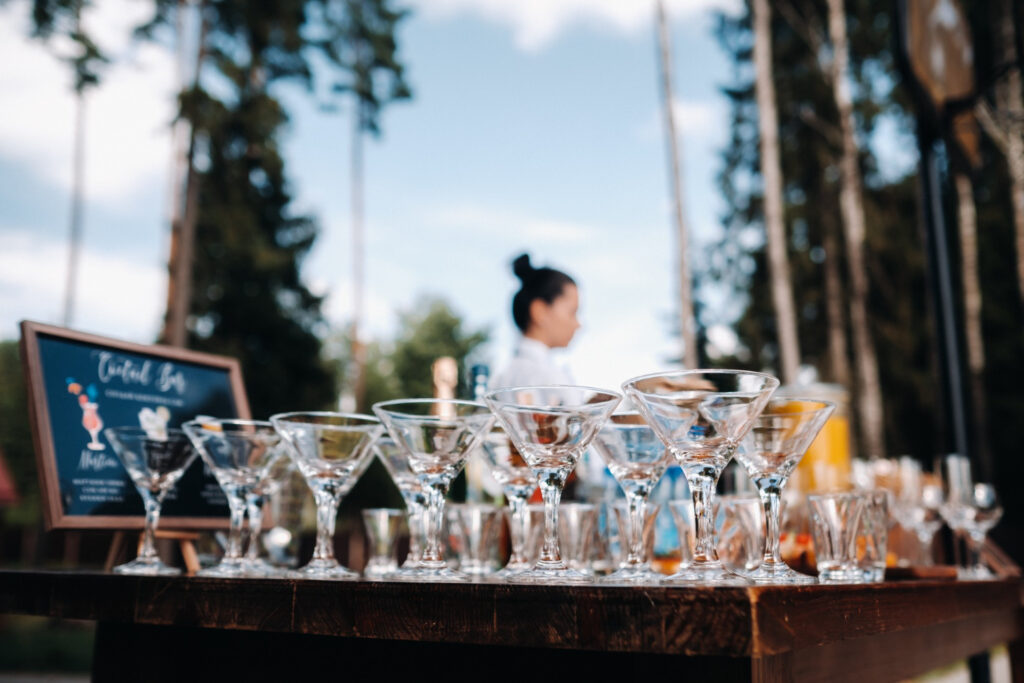
The open bar has revolutionized how drinks are served at events, showcasing hospitality from the hosts while adding an elegant touch to social gatherings. This service offers guests convenience while representing a touch of class and inclusive hospitality. An open bar allows guests to freely choose their drinks without worrying about individual costs. This enhances the experience at various events and emphasizes the importance of shared enjoyment during celebrations.
Having an open bar offers guests convenience and variety and fosters a friendly and lively atmosphere. It’s a catalyst for socialization and networking, making it easier for guests to interact and stay longer at the event. This can leave a positive impression on guests and enhance the organizer’s reputation for future events, making it a win-win situation for everyone.
Pros and Cons of an Open Bar
Pros
Encourages networking and socializing
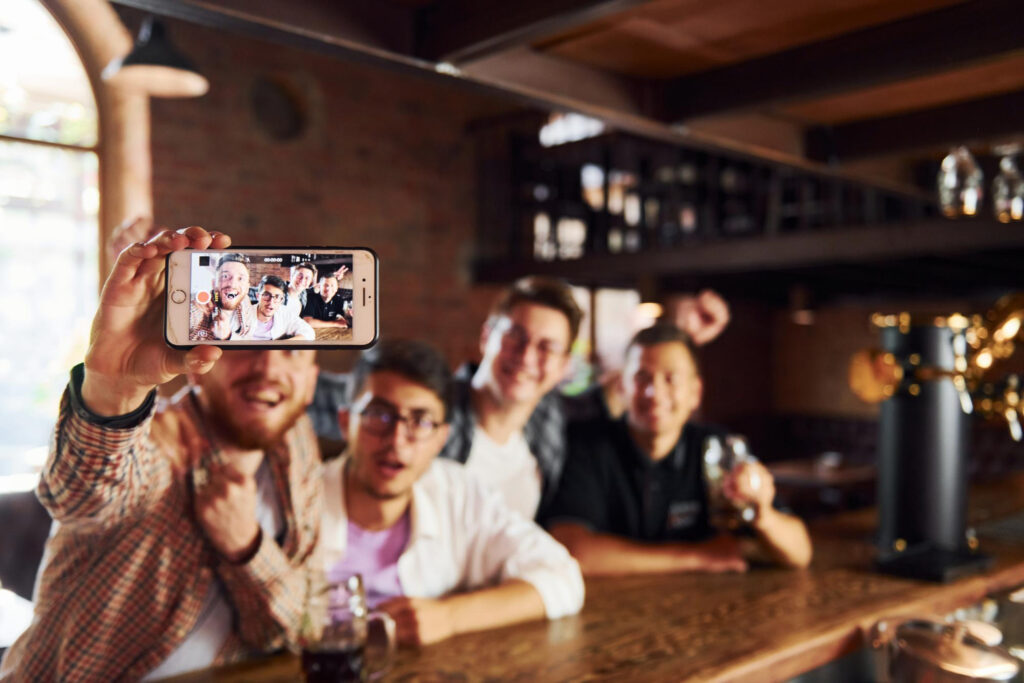
At any event, like weddings, office gatherings, or charity functions, the goal is to get people socializing, chatting, and having a good time. An open bar allows guests, especially the shy ones, to gain confidence from their drinks to start conversations and build new connections. An open bar can create a lively atmosphere, especially at social gatherings. Guests can feel the excitement and enjoy the event even more. For event organizers, providing an open bar shows that they value their guests and ensure they have a good time. An open bar can allow guests to relax and have fun, whether at informal social events or more formal gatherings.
Less decision-making for you
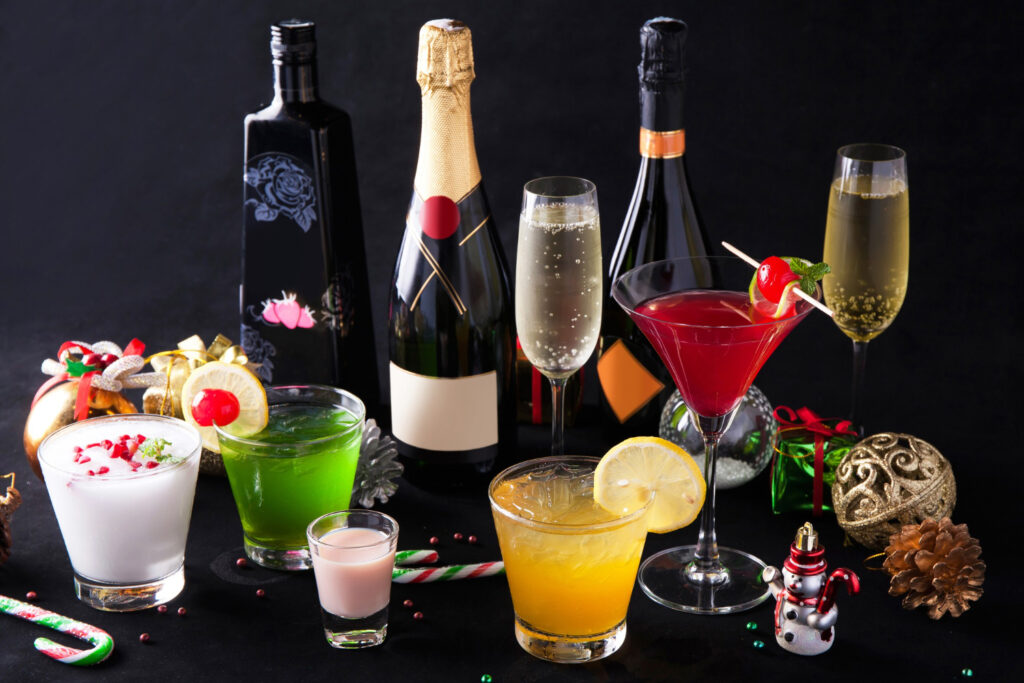
Organizing an event is challenging; there are many things to consider during the planning process. Everything must be carefully thought out from both the organizer’s and the guests’ perspectives, from the general aspects to the details. Therefore, planning an event requires a reasonable amount of time allocation. Providing a cash bar or limited bar involves several decision-making processes, such as which drinks to offer and which ones to charge extra for.
With an open bar, event organizers can streamline the planning process, especially if wine or beer isn’t their expertise. There’s no need to guess what drinks guests will like; with an open bar offering a variety of free drinks, event organizers can ensure all guests are satisfied and minimize disappointment.
Guests stay longer
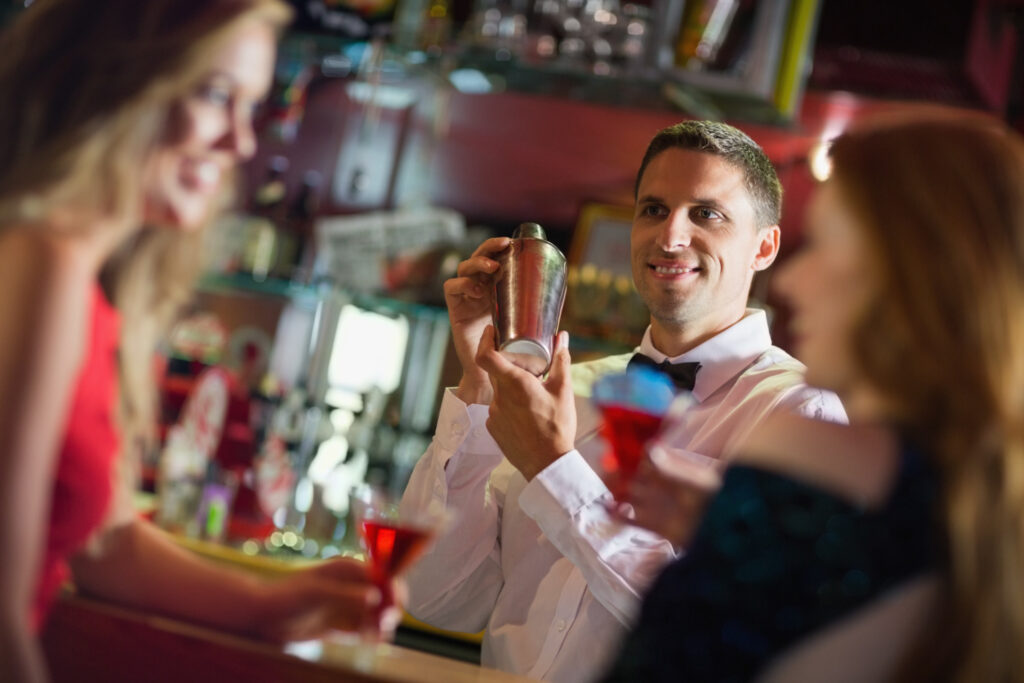
Unlike a cash bar or limited bar, bar staff can focus on making drinks at an open bar without worrying about guests paying. This can also create shorter wait times for guests to order their drinks, making their experience at the event smoother and more enjoyable. When guests feel happier, they tend to stay longer at the event. They can mingle and network for more extended periods.
An open bar makes guests more comfortable and at ease and contributes to a livelier, busier, friendlier, and more engaging event. With guests staying longer, there are more opportunities for interaction and enjoyment, enhancing the success and impact of your event.
Cons
Guests might be distracted
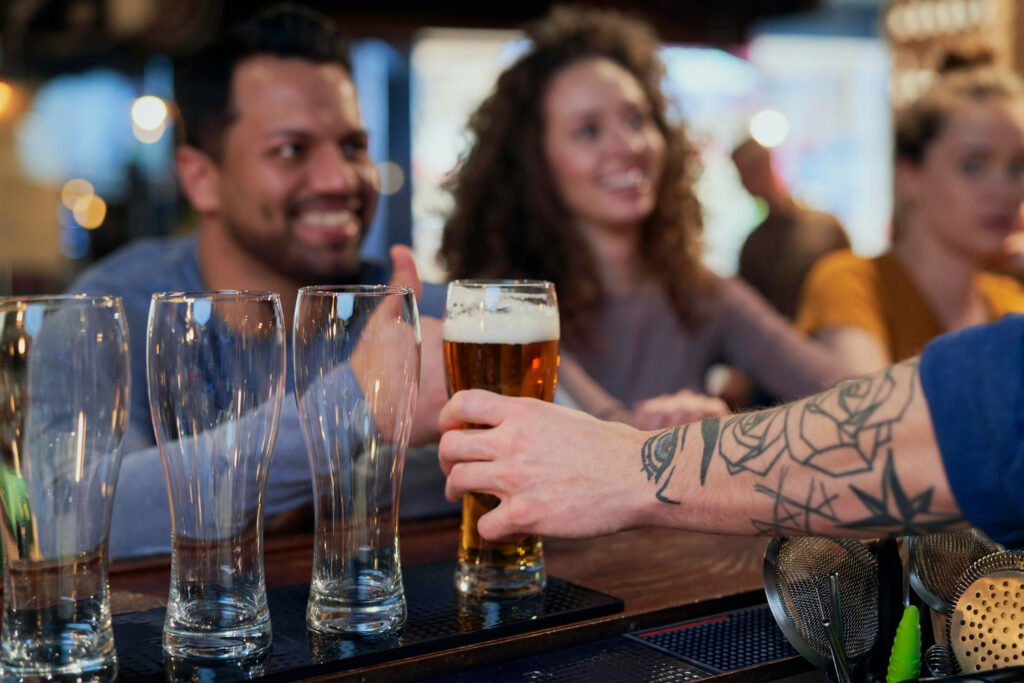
While this service can facilitate guests mingling and networking, they may need more time at the bar. This could cause them to miss opportunities to socialize with others. Additionally, guests who are too focused on the bar may need more time to participate in activities during the event. Thus, instead of being engaged in the event, the bar could unintentionally become the main focus, diverting guests’ attention from the main event. Event organizers should encourage all guests to participate in group activities to redirect their focus from the bar area.
Someone could over-indulge
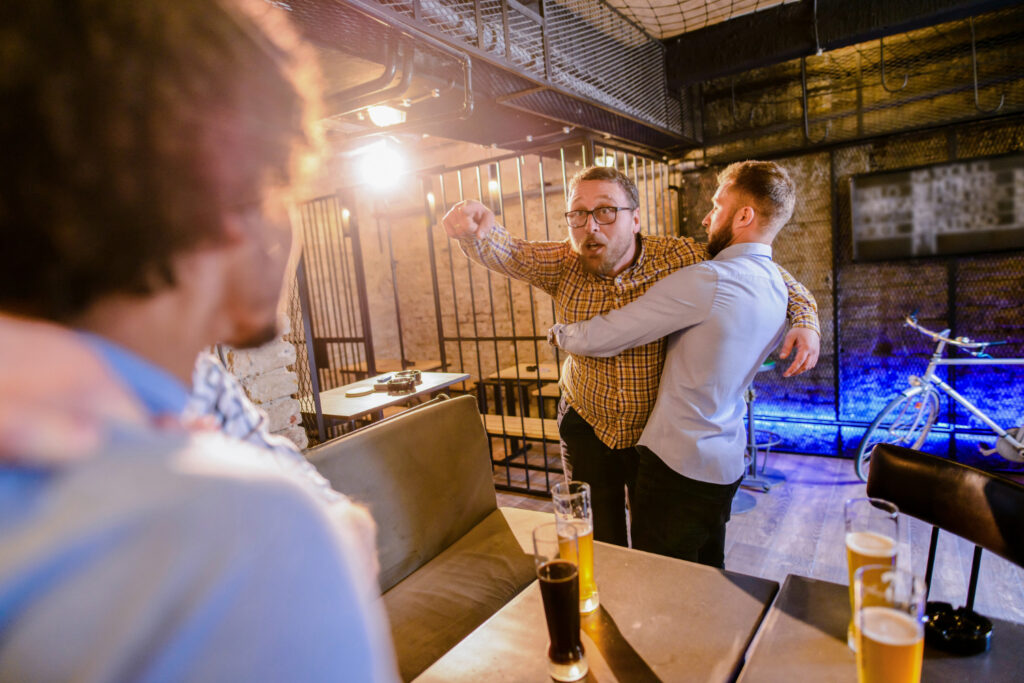
While it can encourage guests to stay longer and socialize, this service can also lead to guests drinking excessively. Overdrinking alcohol may result in them losing control over their consumption because the costs are covered by someone else; due to loss of control over drinking, unpleasant and disruptive behaviour during the event can occur, which can be a concern and cause worry when guests leave the event. Always consider the event location and whether guests can easily access safe transportation options afterwards.
Frequently Asked Questions
What should be included in an open bar?
An open bar typically includes a variety of alcoholic beverages, such as beer, champagne, wine, and other drinks, to cater to the preferences of attending guests. This may encompass popular choices among alcoholic drinks and include mixers and garnishes like soda, fruit juice, tonic water, and lime commonly provided to accompany alcoholic beverages.
Some event organizers may offer specialty or signature drinks to add a unique touch to the open bar experience. Apart from alcoholic beverages, providing non-alcoholic choices is crucial for accommodating guests who opt out of liquor or who are serving as designated drivers. This includes soft drinks, bottled water, fruit juices, and mocktails. Providing a range of options ensures that all guests, regardless of their drink preferences, can enjoy the open bar experience and feel included in the celebration.
How do you make a bar interesting?
To make the bar more interesting, you can focus on creating a unique atmosphere and offering a diverse selection of drinks. Plenty of drink options minimize disappointment for guests who come to the event because they can choose beverages according to their preferences. Consider decorating the bar with lighting to enhance the ambience. Both decoration and lighting can be tailored to match the event’s theme. Adding other entertainment, such as live music or a DJ, can also be an additional value.
How do bars attract customers?
Creating a comfortable and inviting environment is critical because a friendly atmosphere and diverse drink menu can attract customers. For instance, they provide comfy seating, stylish decorations, and appropriate lighting to set the mood and align with the event’s theme. Also offer various drink options, including popular choices, so many guests will feel happy and satisfied throughout the event.
In addition to creating a welcoming atmosphere and offering a diverse drink menu, bars can leverage digital marketing strategies to attract customers. Utilizing social media platforms, email marketing, and targeted online advertising allows bars to reach a broader audience and engage with potential customers. By showcasing the venue’s ambience, special events, and drink offerings through visually appealing content and promotions, bars can pique the interest of prospective patrons and encourage them to visit. Digital marketing also provides opportunities to interact with customers, gather feedback, and build relationships, fostering loyalty and repeat business.
Conclusion
Providing an open bar at an event can benefit both the event organizers and the guests. Event organizers don’t have to guess what drinks guests want or what they will like, which shortens the event planning time. Having an open bar can allow guests to socialize and network more. However, there’s concern about guests drinking too much and disrupting the event.
Therefore, attention should be paid to other details, such as guests focusing too much on the bar and missing the importance of the event itself. Addressing these concerns is essential by encouraging guests to engage in the event and redirecting their focus away from the bar. For instance, incorporating a mobile bar into the event layout can help manage the flow of guests and prevent overcrowding in the bar area.