
As halal tourism is growing significantly worldwide, the demand for halal restaurants is also rising. Halal is a practice that ensures food adheres to Islamic law, from the ingredients used to the way it’s prepared. When a restaurant is labelled as ‘Halal’, it implies that Muslims are permitted to eat there without worries.
Ahead, we’ll uncover the history of a halal restaurant, its characteristics, common menu items, and how to start one. Read on!
What is the History of Halal Restaurants?

Halal, an Arabic word meaning “permitted” or “permissible”, is the opposite of “Haram” or “forbidden”.
Halal food was first introduced in the 1960s in the United States following the increasing number of Muslim immigrants, and the trend continued to grow until the 1990s. On the other hand, Australia began its first Halal certification in 1974, which was recommended by a Saudi Arabian delegation.
In 2021, the halal food sector followed Islamic finance, making up 31.46% of the worldwide halal market. This number is projected to grow throughout the years ahead, expanding the number of halal restaurants available worldwide.
What is a Halal Restaurant?

In short, a halal restaurant is an establishment that adheres to Islamic dietary laws. These restaurants only serve halal food items, from ingredients used to the cooking process. To ensure a restaurant is truly halal, you can check whether they have a halal certification.
Additionally, Halal restaurants cater not only to Muslim diners but also to anyone seeking halal options. They provide a welcoming environment for all.
Unique Characteristics of Halal Restaurants

Halal restaurants have unique characteristics that make them different from other establishments.
Menu
Halal restaurants offer a diverse range of dishes, often inspired by global cuisines that adhere to Islamic dietary laws. The key distinction in their menu is the absence of pork and its by-products, which are strictly prohibited.
Instead, you’ll find an array of beef, chicken, lamb, and vegetarian options, all prepared according to Halal standards.
Alcohol
Besides pork and its by-products, alcohol is also considered ‘haram’ or forbidden in Islam, so these establishments focus on serving non-alcoholic drinks. This includes fresh juices, smoothies, mocktails, and other beverages.
Atmosphere
The atmosphere in Halal restaurants is often warm and inviting, reflecting the values of hospitality and community prevalent in Islamic culture. Some may feature decor that incorporates Islamic art and motifs, while some do not.
Service
Service in Halal restaurants is typically characterized by a high level of care and attention to detail. The staff may be knowledgeable about Islamic traditions and rules.
On top of that, there is usually a prayer room available in the restaurant to facilitate Muslim customers during prayer time.
Size
Just like any other restaurants, the size of Halal restaurants can vary widely, from small, family-run eateries to larger, more upscale establishments.
Regardless of size, they prioritize maintaining the integrity of Halal food preparation and service.
What Items Are Typically on a Halal Restaurant’s Menu?

There are several typical items often found on a Halal restaurant menu.
Appetizers
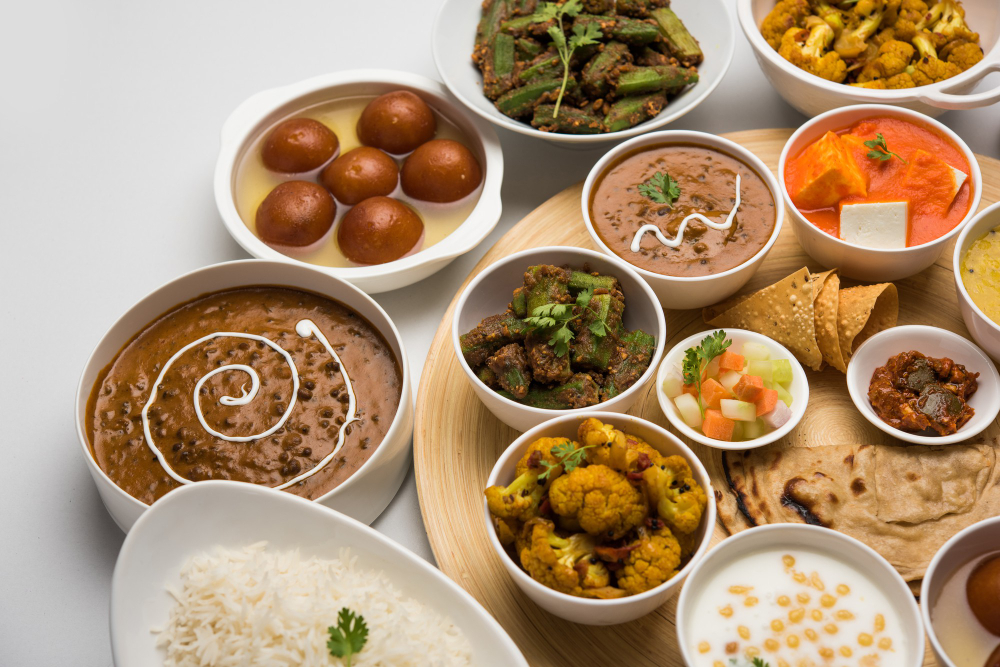
Common starters include hummus, served with warm pita bread, falafel balls made from ground chickpeas and herbs, and stuffed grape leaves. Meat options might feature kebabs or samosas with fillings like spiced minced meat or vegetables.
Main Courses
The main courses at a Halal restaurant showcase the diversity of cuisine from regions where Halal food is traditional. Dishes like biryani and shawarma are staples. Similarly, grilled meats, such as lamb chops or chicken tikka, are also popular, often accompanied by sides like couscous or tabbouleh salad.
Desserts
Halal restaurant desserts like baklava and gulab jamun offer sweet indulgence, while dairy delights such as kheer and kulfi round off the dining experience with richness.
Beverages
Beverages at Halal restaurants complement the meal without alcohol. Instead, diners can enjoy a variety of fruit juices, teas, smoothies, and traditional drinks. Refreshing yogurt-based drinks are also common.
Please note that menu offerings at Halal restaurants can differ, as each place tailors its menu to reflect local tastes, culinary expertise, and diner demand.
How Do You Start a Halal Restaurant?

Starting a Halal restaurant involves several crucial steps to ensure success. Whether you’re passionate about offering delicious Halal cuisine or tapping into the growing global Halal market, here’s a concise guide to help you get started:
- Develop a robust restaurant business plan.
- Identify and research your target market.
- Map out a strategic plan.
- Gather financial resources.
- Secure necessary permits and licenses.
- Create a brand identity.
- Source suppliers.
- Set up operational processes.
- Hire professional staff.
- Create sales and promotion strategies.
Depending on the restaurant’s size, location, and business format, the costs can be different for each establishment.
Frequently Asked Questions
What makes a restaurant halal?
A restaurant is considered halal if it serves food which preparation and serving is in accordance with Islamic dietary laws.
How to find out if a restaurant is halal?
To find out if a restaurant is halal, you can check for certificates, directly ask the staff about their cooking practices and status, do online research, and inspect the menu.
How is food classified as halal?
Food is classified as halal if it adheres to Islamic dietary guidelines, which include permissible ingredients, proper slaughter, no pork or alcohol (and their by-products), and clean processing.
Conclusion
As the halal market continues to expand, halal restaurants will play an important role in bridging cultural gaps while offering a taste of tradition and modernity. Whether you’re a Muslim diner or simply a culinary explorer, these restaurants promise a worry-free, comfortable experience that’s both enriching and delicious.
If you want to learn more about marketing a halal restaurant, contact SEO for Restaurants now!