

Knowing there’s a visit from a food critic can understandably make restaurant owners nervous and anxious. They might suddenly panic and decide to make drastic changes on the spot. It’s essential to be aware that this could involve altering ingredients, other operational aspects, or even putting pressure on staff. However, this approach could lead to problems.
Instead of being overwhelmed by the potential visit of a food critic, it’s beneficial to focus on the aspects of the restaurant that have already received positive attention from customers. This approach instills confidence and optimism, helping to maintain a positive atmosphere. Let’s delve deeper into the discussion below to understand who food critics are and how to handle them.
What is a food critic?

A restaurant critic, also known as a food critic, is a professional who evaluates and reviews restaurants they visit. They don’t receive complimentary meals from the restaurant but pay for their own food. This is a crucial aspect of their role, as they operate anonymously to ensure their assessments are unbiased and objective.
Restaurant critics are not just observers but also information providers. They meticulously rate aspects such as food quality and dining experience, including taste, presentation, service quality, ambiance, and food pricing. Their comprehensive and unbiased reviews serve as a valuable resource for readers, providing them with detailed information about the restaurants they visit. In this way, critics act as a bridge between restaurants and customers, offering transparency about what the place offers.
Tips to handle food critic
In the culinary world, chefs or restaurant owners must be ready to deal with food critics, even though it can be daunting. Since the overall dining experience can be heavily influenced by food critics’ opinions, having strategies to anticipate and handle their visits is key to success in the competitive food industry.
Train Your Staff
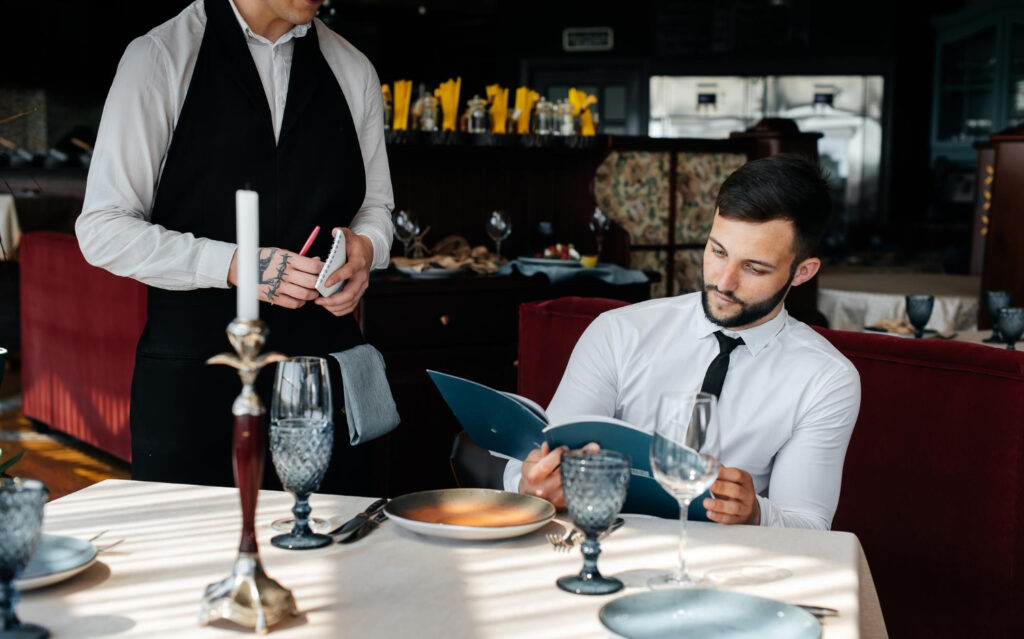
The first step in handling the arrival of a food critic is preparation and anticipation in case they show up unexpectedly. Provide comprehensive training and preparation for the staff, which is a worthwhile investment for the restaurant. Staff training can create experienced individuals who possess knowledge based on existing guidelines. Train all staff, not just those who interact directly with customers, but also chefs and other staff.
For instance, staff should have in-depth knowledge of the menu, offer recommendations when needed, and handle any issues promptly and courteously. It’s crucial to pay attention to other aspects as well, such as the creativity of food presentation, service efficiency, friendliness, restaurant ambiance, and cleanliness.
By equipping the staff to deliver maximum service to all customers, regardless of who they are or what they order, we demonstrate our commitment to excellence. This is not just to anticipate unexpected visits by food critics but also to establish high standards and maintain consistent service to all customers, making them feel valued and appreciated.
Don’t Pretend You Don’t Know Who They Are

Some restaurant critics prefer to visit and assess restaurants anonymously. However, it’s not always easy, and food critics know that. Instead of pretending not to know when a critic visits your restaurant, it’s better to acknowledge their presence while remaining polite boldly. This act of acknowledgment shows respect for their work and the impact they can have on our business. Greet them directly and express appreciation for their visit. Show the professionalism of your staff by being prepared to welcome them at any time.
No Special Treatment

When a critic comes to your restaurant, show professionalism and consistency with the usual friendliness. Avoid the urge to do or show anything extra, especially giving special treatment to garner positive reviews. Critics prefer authenticity because they want to assess customers’ typical dining experience rather than meticulously arranged service and ambiance.
Avoid giving special treatment to critics who come to the restaurant. Let them observe and experience firsthand how all guests are treated equally and nothing is special. If your restaurant has good service standards, there’s no need to force it; it will naturally shine through. Critic acknowledgments will flow naturally as well.
Do Not Offer A Complimentary Meal

Although with good intentions, offering a complimentary meal to a food critic can attract negative perceptions. It might be seen as a bribe to secure a more positive review from them. Free food could be viewed as an attempt by the restaurant to “buy” favorable reviews. Food critics have to adhere to strict ethical guidelines, so accepting free meals could risk damaging the credibility of their careers. Therefore, let them pay for all the food they consume and avoid offering or providing complimentary meals.
Be Prepared For Constructive Criticism

Critics come to critique, not to praise. It’s essential for restaurant owners to be open to constructive feedback rather than chasing continuous praise. The critic may sound quite harsh in their feedback. Remember that criticism isn’t an insult but a suggestion that can help the restaurant improve.
Every positive or negative review holds the potential for learning and growth. With criticism from external sources, restaurants can address many things they may not have realized before. Handling criticism should be done professionally and with understanding, without taking it personally. This is an essential aspect of maintaining and improving the restaurant, which can increase customer satisfaction.
Most Common Questions Asked By Food Critics

A food critic is known for their sensitive palate and knack for noticing every little detail within a restaurant. They often ask questions that can reveal the hidden stories behind the dining experience. One of the questions they frequently pose concerns culinary expertise. They want to know details about food preparation and the origins of the ingredients in the cuisine.
It’s not uncommon for them to inquire about the length of time the restaurant they’re visiting has been established and the motivations that drive the restaurant owner to pursue culinary excellence. These questions aren’t just asked out of curiosity; they also provide the critic with their own assessment of the restaurant.
In addition, food critics may inquire about the chef’s background and training, seeking insights into the creative process behind each dish. Their meticulous attention to detail and thoughtful questioning contribute to their ability to provide comprehensive and insightful reviews for their readers.
Frequently Asked Questions
Do food critics eat for free?
Food critics don’t eat for free in food and dining; instead, they pay like any other customer to experience unbiased dining like everyone else. Getting free meals or discounts can jeopardize their careers and credibility. Some media outlets also reimburse dining expenses after critics provide review content to the media or the platforms where they upload reviews. Refraining from accepting free food is one way to maintain their honesty when giving reviews to the audience.
What If I Get A Bad Restaurant Review?
Receiving a bad restaurant review can be disheartening, but it’s important to look at it from a different perspective. Instead of seeing it as a failure and taking it to heart, consider it an opportunity to improve the restaurant’s service standards. It’s crucial to take criticism gracefully without getting offended. Focus on addressing the highlighted issues, making improvements, and demonstrating the positive changes that have been made.
What are the rules for food critics?
Critics need to follow ethical guidelines to provide fair, unbiased, and transparent assessments. One way is to remain anonymous when visiting dining establishments to avoid receiving special treatment. Their goal is to provide a balanced evaluation of dining experiences, considering factors such as food quality, service, atmosphere, and price. They should also maintain professionalism, including refraining from accepting complimentary meals.
Conclusion
Welcoming a food critic’s arrival is a challenge and an opportunity for chefs or culinary establishment owners. Instead of panicking, please take steps to receive and handle them gracefully.
Focus on continuous improvement and attention to detail, highlighting aspects that have received positive feedback from customers. This approach can keep the restaurant competitive and provide an outstanding experience that leaves a strong impression, regardless of whether a food critic is present or not.
Accepting negative criticism with an open mind is crucial. Their critiques can significantly impact the success or failure of a restaurant and shape culinary trends and consumer preferences.