
Fast casual restaurants are transforming how we dine, offering a unique blend of speed, quality, and customization. This article will explore how these establishments have revolutionized the dining experience, catering to modern preferences for convenience, health, and flavour.
What is a fast-casual restaurant?
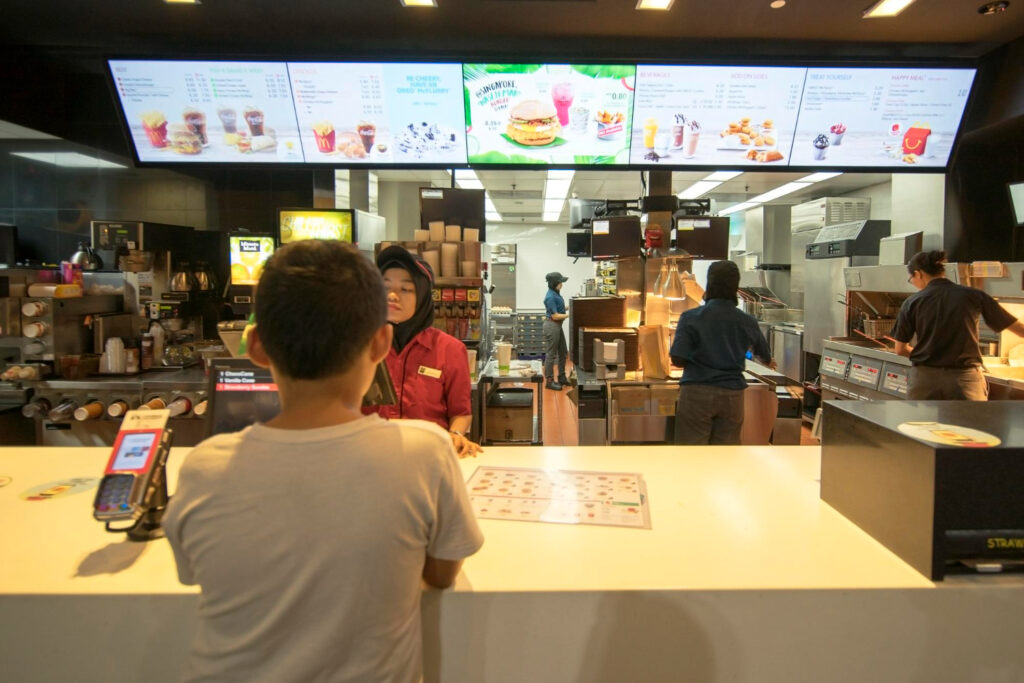
Fast-casual restaurants, also known as fast-casual dining, offer a unique dining experience that caters to the needs of busy individuals. They bridge the gap between fast food and upscale restaurants, providing a convenient solution for those seeking healthier and customizable food options on the go.
Unlike fast-food joints that serve pre-prepared meals, fast-casual restaurants prioritize freshness, preparing dishes after customers place their orders. Whether you prefer to dine in or take your meal to go, fast-casual dining offers online ordering options for self-pickup or delivery, making it a perfect fit for your fast-paced lifestyle.
One of the critical features of fast-casual dining is its focus on high-quality ingredients. Despite the quick service, these restaurants prioritize customer satisfaction by offering healthier food options. While the prices may be slightly higher than regular fast food, the experience is less formal than in upscale restaurants, creating a more relaxed atmosphere. This blend of speed and culinary quality attracts customers to fast-casual dining, especially those with busy lifestyles looking for healthier and customizable food options.
Fast Casual vs. Fast Food
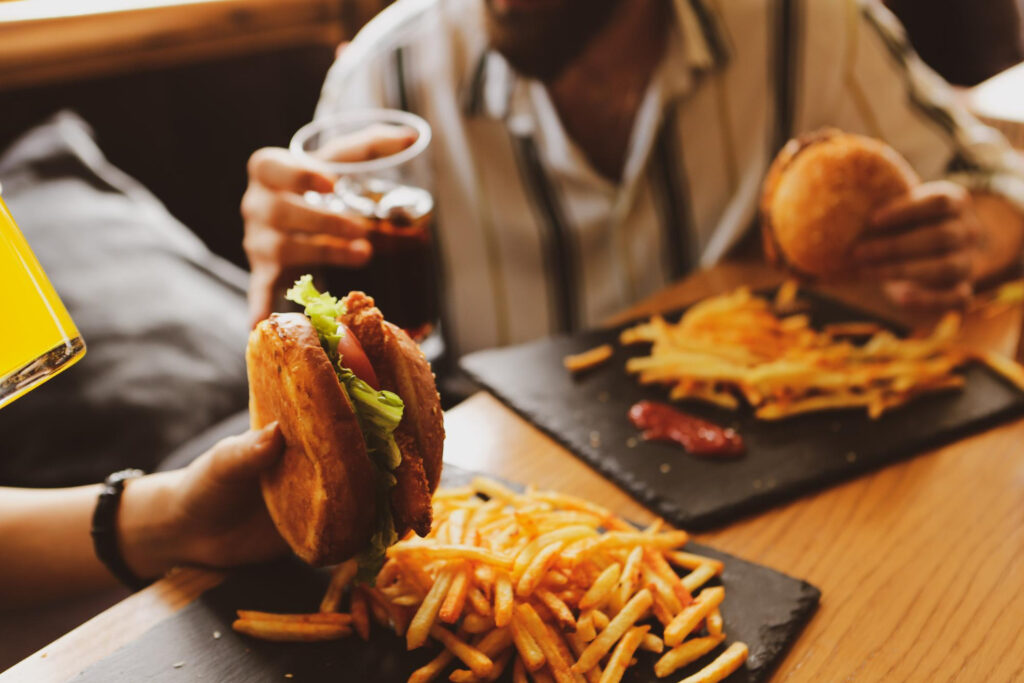
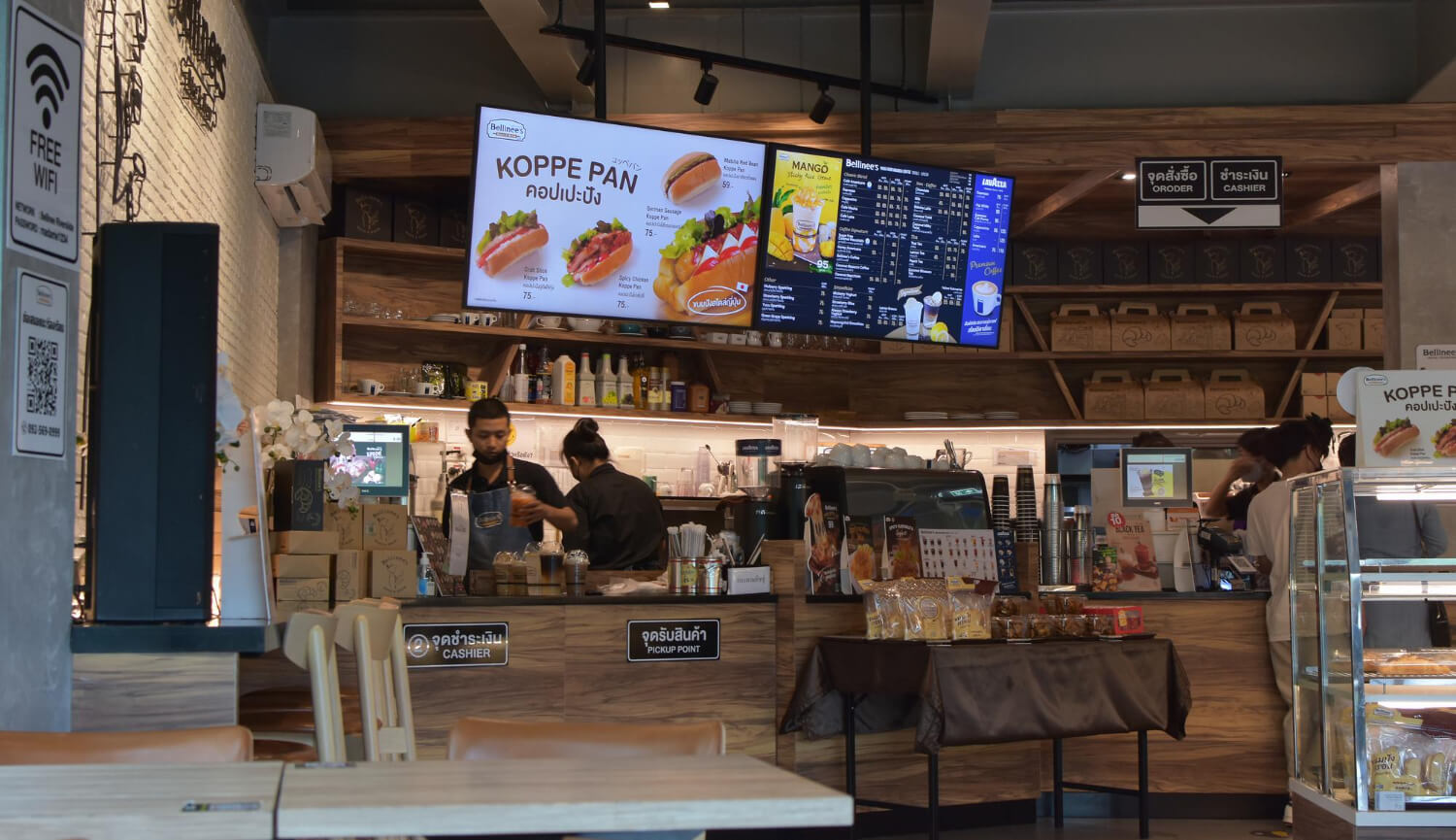
While fast casual and fast food restaurants may seem similar initially, they offer unique experiences. Fast casual establishments, for instance, balance the quick service of fast food and the relaxed atmosphere of casual dining. Customers order at the counter and find their seats, a system that keeps costs down and ensures speedy service.
On the other hand, fast food restaurants are known for their efficiency and practicality, serving many customers at once. Both types of restaurants cater to busy individuals seeking a quick meal, but they do so in their distinct ways.
Despite the similarities, here are some of the differences between fast casual and fast food restaurants.
Price: Fast-casual restaurants have a price range between fast food and casual dining. The food in a fast-casual restaurant is usually more expensive than fast food but cheaper than casual dining.
Interior: Similar to fast food, fast casual restaurants usually have limited seating but are usually more comfortable. Fast-casual restaurants focus on dine-in, while fast food focuses on take-out.
Looking at the interiors, fast casuals are usually attractively designed with more modern décor. On the other hand, the design of fast food restaurants is simpler because they are concerned with practicality and efficiency, so they can serve a large number of customers at one time.
Menu and ingredients: Fast-food restaurants are more likely to offer set menus and drive-thru options, while fast-casual restaurants encourage customers to customize their orders according to their tastes and preferences. Food ingredients provided by fast-casual restaurants are usually of higher quality and fresher.
Customers at fast-casual restaurants are usually more health-conscious and willing to spend money on healthier food options. Similarly, open kitchens allow customers to see how the food is made and build trust with them.
Fast Casual vs. Casual Dining
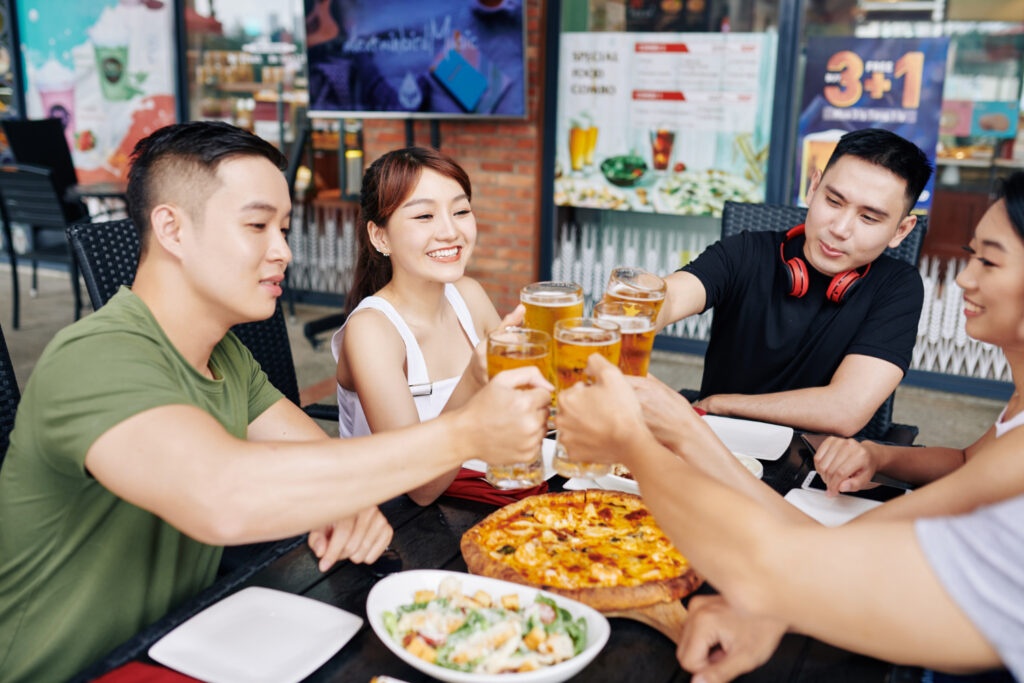
The key difference between fast casual and casual dining restaurants is their approach to serving customers. Both provide a pleasant and relaxed atmosphere, but their service styles vary significantly. Fast casual restaurants, designed with your busy lifestyle in mind, focus on blending the speedy service of fast-food eateries with the comfort of dining in a more upscale setting. On the other hand, casual dining restaurants offer full table service akin to upscale dining establishments. Prices also tend to be higher compared to fast-casual restaurants.
While fast-casual restaurants offer a diverse selection of menu options, they typically feature handcrafted sandwiches or salads. Conversely, casual dining restaurants, a haven for food enthusiasts, boast various menu choices, often including alcoholic beverages and appetizers. Additionally, casual dining menus tend to have more elaborate and extensive offerings, catering to a broader range of culinary preferences.
Regarding ambience, fast-casual establishments are generally more appealing for dine-in experiences compared to fast food joints. However, casual dining restaurants, where every detail is designed to make you feel pampered, tend to exude a more luxurious ambience with special lighting and comfortable seating arrangements, akin to upscale dining establishments. The seating arrangements in casual dining restaurants are often designed to encourage lingering and socializing, contributing to a more leisurely dining experience.
Typical Characteristics Of A Fast Casual Restaurant
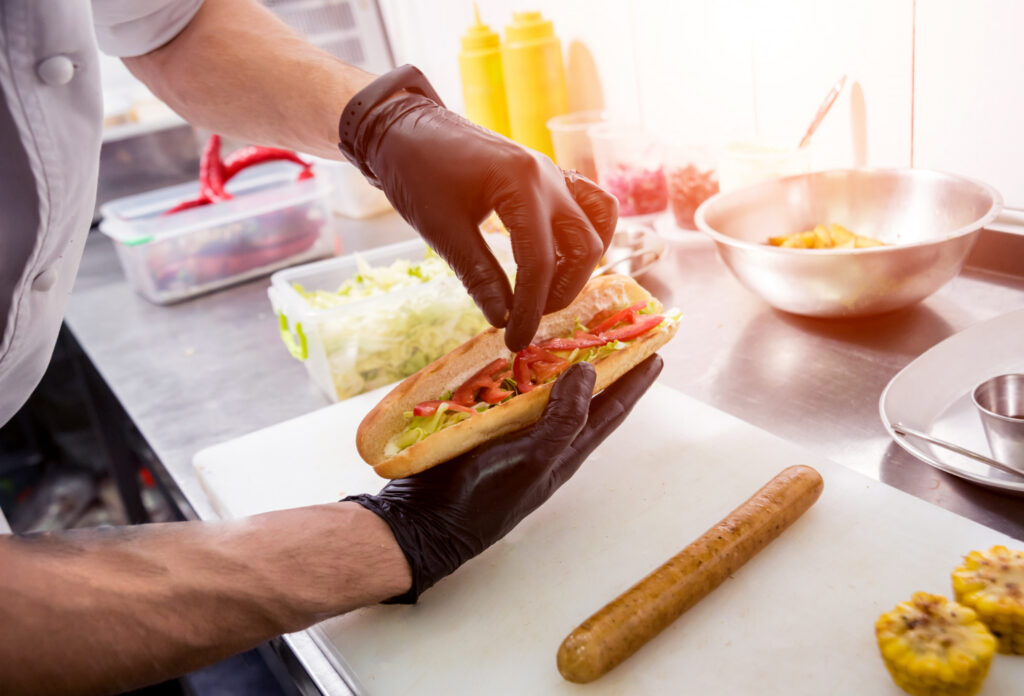
Fast-casual restaurants offer self-service options, allowing customers to order and receive their meals at their own pace. They also offer the choice of dining in or taking food to go, a convenience not commonly found in other dining establishments. Unlike fast-food restaurants, they usually do not provide drive-thru service; instead, they encourage customers to savour their meals on-site in a relaxed and comfortable environment.
One key advantage of fast-casual restaurants is their affordability. Meals are typically priced lower on average compared to casual dining or fine dining establishments, making them a budget-friendly option for a diverse range of customers. The menu is another highlight. It often features made-to-order items such as sandwiches and salads, ensuring higher quality and freshness. With a variety of menu options available, customers can personalize their orders according to their tastes and preferences, adding to the appeal of these restaurants.
Fast casual restaurants excel in providing a dining experience that combines the best of both worlds- the speed of fast food and the comfort of casual dining. They prioritize quick and efficient service, ensuring that customers are served promptly. At the same time, they do not compromise on customer satisfaction, ensuring that each dining experience is enjoyable and fulfilling. This unique approach caters to the needs of various customers, making fast-casual restaurants a popular choice.
Why are fast casual restaurants popular?
Fast casual restaurants have surged in popularity in recent years, captivating diners’ taste buds worldwide. This dining concept offers a unique blend of convenience, quality, and customization that appeals to diverse customers.
Customisable

Fast-casual restaurants stand out among customers due to their unique selling point: the ability to customize food options. With a diverse range of menu options and toppings, these establishments allow customers to create unique combinations that cater to their tastes and dietary needs. This interactive dining approach enhances the overall experience and attracts those who enjoy experimenting with flavours and ingredients.
What sets fast-casual eateries apart from traditional fast-food establishments is their empowerment of customers. The ability to personalize orders fosters a sense of ownership over the dining process, allowing customers to make choices that perfectly align with their preferences. This level of customisation, often lacking in traditional fast food, has made fast-casual restaurants popular for those seeking a more engaging and personalized dining experience.
Speedy service

In an era where individuals lead busy lives, demanding everything to be quick and time is of the essence, fast casual restaurants excel by providing fast and efficient service. With this speedy service, customers don’t have to compromise on food quality.
Unlike upscale restaurants, where wait times can be longer, fast-casual establishments use a combination of technology and convenience dining spaces from ordering to food delivery, ensuring that customers’ orders reach their tables faster. These restaurants are ideal for busy professionals, students, active families, or those on the go.
Transparent
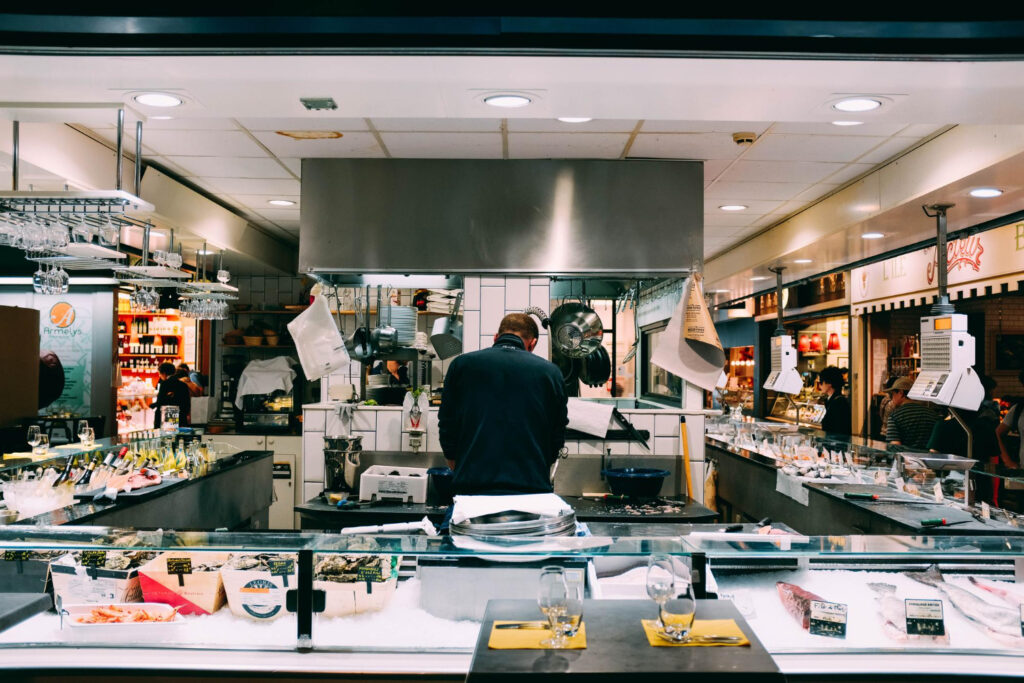
What sets fast-casual establishments apart is their unwavering commitment to transparent ingredient sourcing and cooking processes. This unique selling point is a major contributor to their popularity. Many fast-casual places go the extra mile to prioritize the use of fresh, high-quality ingredients.
Fast casual restaurants take the dining experience to a new level with their open kitchens. This unique feature allows customers to taste the food and witness the cooking process. It’s like a live show, adding an element of excitement and entertainment to the dining adventure. This interactive aspect transforms dining into an immersive experience, where patrons not only savour delectable flavours but also gain insights into the artistry behind each dish.
More healthy options
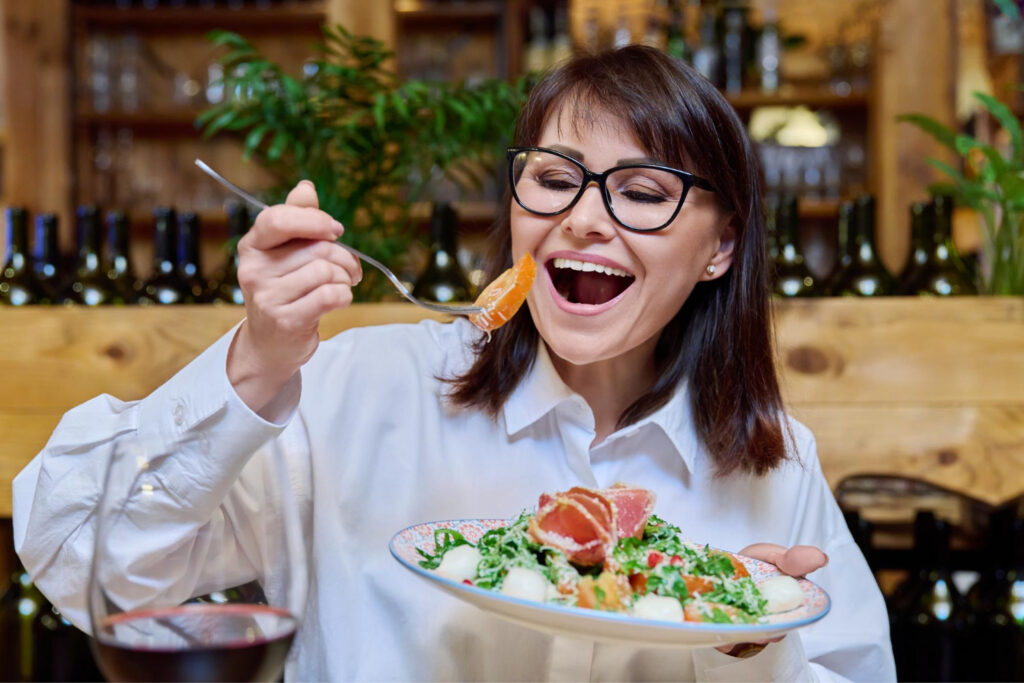
Not only are people prioritizing speed, but they are also placing more importance on health and making it a priority in consumer awareness. Fast-casual restaurants have emerged with healthier food options. Unlike fast food establishments that typically offer high-calorie meals, fast-casual restaurants usually prioritize fresh and healthy ingredients to meet customer dietary preferences.
Such as customizable salads with a variety of vegetables and protein additions; the menu at fast-casual restaurants is more diverse, offering healthier alternatives to meet the needs of health-conscious customers.
Fast Casual Restaurant Technology
Integrating technology into fast-casual restaurants is crucial in today’s rapidly evolving culinary landscape. The technology employed can transform customers’ dining experiences. Technology plays a vital role in enhancing efficiency, customer engagement, and overall dining satisfaction, from modern point-of-sale systems to personalised loyalty programs.
Point of Sale Terminal
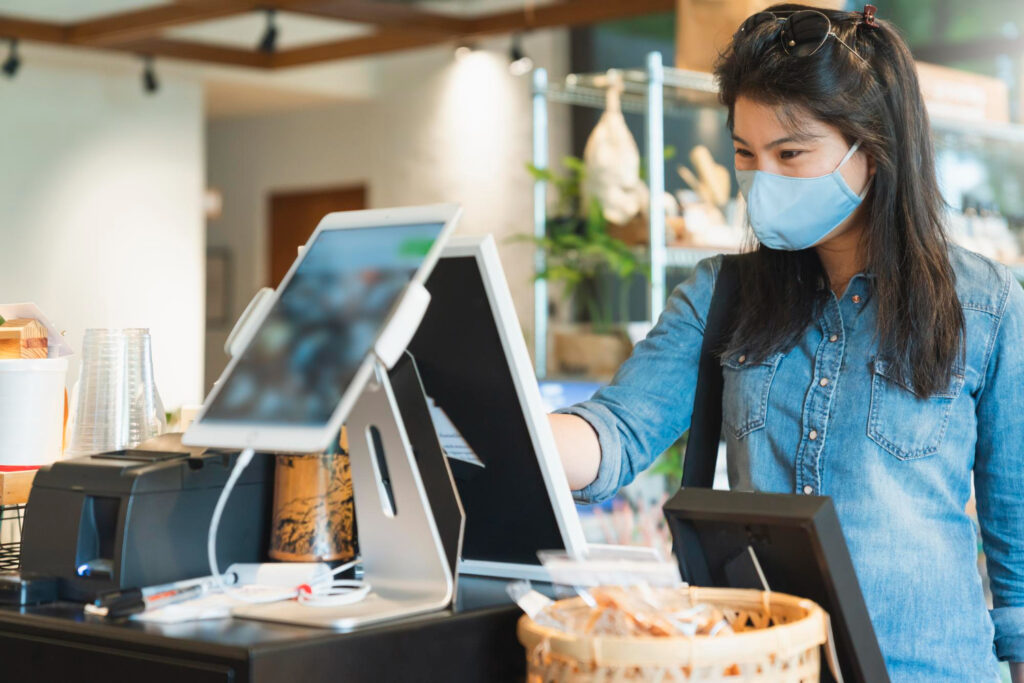
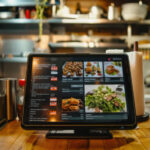
Modern point-of-sale (POS) systems play a pivotal role in fast-casual restaurants, optimizing operations and enhancing the customer experience. These systems serve as the central hub of activity in the front of the restaurant, empowering cashiers to manage orders and payments more efficiently, thereby ensuring a smoother and more satisfying dining experience for customers.
The features and integrations of POS systems are what make them widely used and highly beneficial. They excel in simplifying the ordering process from third-party platforms and in-store kiosks, ensuring that orders are consistently and accurately relayed to the kitchen. This level of efficiency and accuracy is a game-changer for your restaurant’s operations. Customer-facing screens allow interaction with customers at the cashier counter while providing real-time order status updates. Accuracy and customer satisfaction are maintained with this system in place.
Cloud-based POS systems are a game-changer for fast casual restaurants with high order volumes. By leveraging these systems, you gain real-time data accessibility, crucial for data-driven decision-making. Moreover, these systems streamline operations, enhancing overall efficiency and productivity.
In addition to streamlining order management, modern fast casual restaurant POS systems offer valuable insights into sales trends and customer preferences, allowing for more informed decision-making.
Handheld Point of Sale System

The handheld POS system’s portability makes it a perfect solution for fast-paced environments. Its flexibility allows staff to efficiently handle orders and process payments directly, not confined to the cash register area. They can interact with customers anywhere, whether in a queue or at their tables.
It’s more than just the flexibility and speed in ordering and payment processing that make these systems shine. The direct interaction between customers and staff is also a significant advantage. Customers can communicate directly with staff and receive personalized attention. Staff can promptly address questions or special requests from customers and provide recommendations.
Handheld POS systems are a game-changing innovation for fast-casual restaurants. They offer a comprehensive solution to improve operational efficiency and customer interaction. Their flexibility and functionality make them indispensable tools in navigating the dynamic foodservice landscape. They not only reduce errors and expedite service but also provide a better dining experience.
Self-Ordering Kiosk
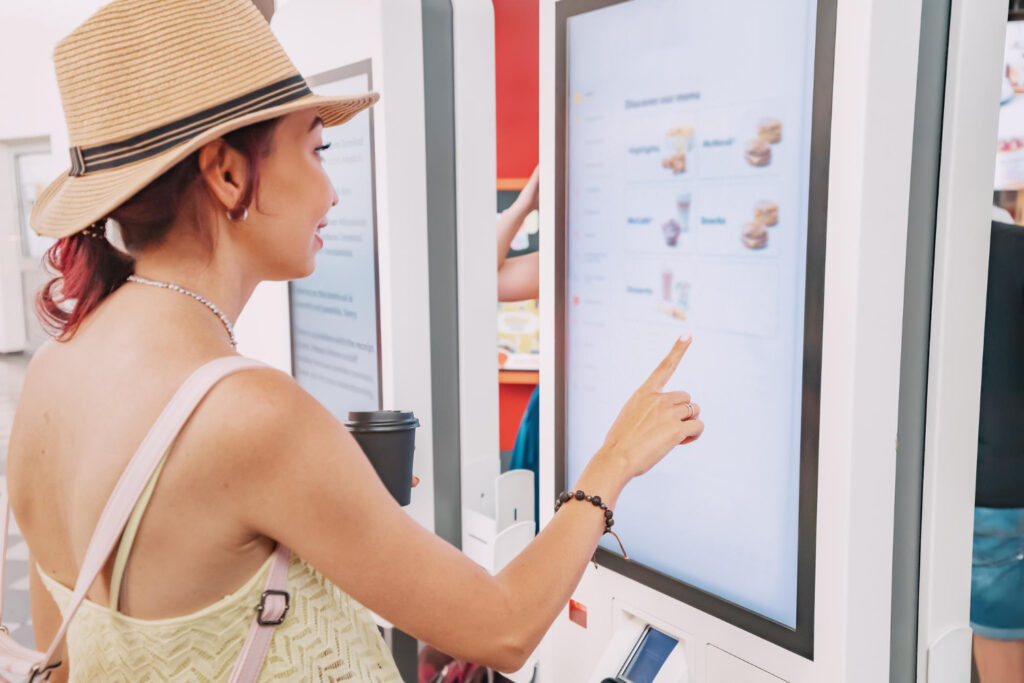
Traditionally, customers would line up at the cashier to place and settle their orders, but self-ordering kiosks have revolutionized this process. These automated systems empower customers to customize their orders according to their preferences and complete their transactions independently, eliminating the need for cashier assistance.
Self-ordering kiosks are not just functional; they’re also visually appealing. With their large, attractive screens, these kiosks effectively showcase your menu offerings, enticing customers to explore and make additional purchases. The user-friendly interfaces further enhance the ordering and payment processes, making it a seamless experience for your customers.
Moreover, the implementation of self-ordering kiosk systems has been shown to have several advantages. Notably, it can significantly increase the average order value, as customers are more likely to explore additional menu items when using these kiosks. This, in turn, can contribute to a boost in your restaurant’s revenue.
Additionally, by reducing the reliance on manual labour for order processing, these systems can contribute to cost savings for the restaurant. Furthermore, they enhance operational efficiency by accurately routing orders directly to the kitchen, streamlining the overall workflow.
Restaurant Apps
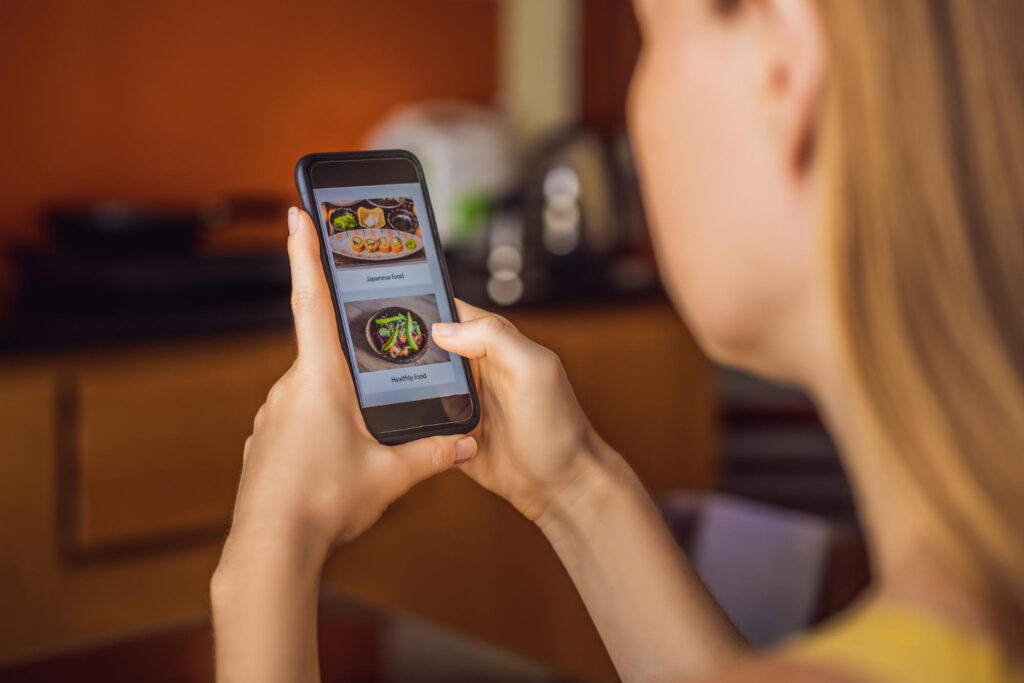
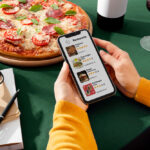
Fast-casual restaurants attract a diverse range of customers, including busy professionals who often seek quick and satisfying lunches. It’s no wonder that advanced technology catering to these customers’ needs is a big plus for restaurants. Mobile applications are an example. Customers can utilize dedicated restaurant apps or third-party platforms to streamline their dining experience.
Restaurant apps in fast-casual establishments allow customers to place orders more swiftly. The process becomes seamless, from browsing the menu to selecting items and making payments. This comprehensive dining experience goes beyond just ordering, paying, and eating. Some apps even offer additional features such as table reservations or managing waitlists.
On the other hand, restaurant apps provide valuable insights into customer behaviour. This enables restaurants to gain detailed insights into customer preferences, behaviours, and other pertinent data. Restaurants can utilize such information to refine marketing strategies and effectively conduct campaigns.
Order & Pay Technology
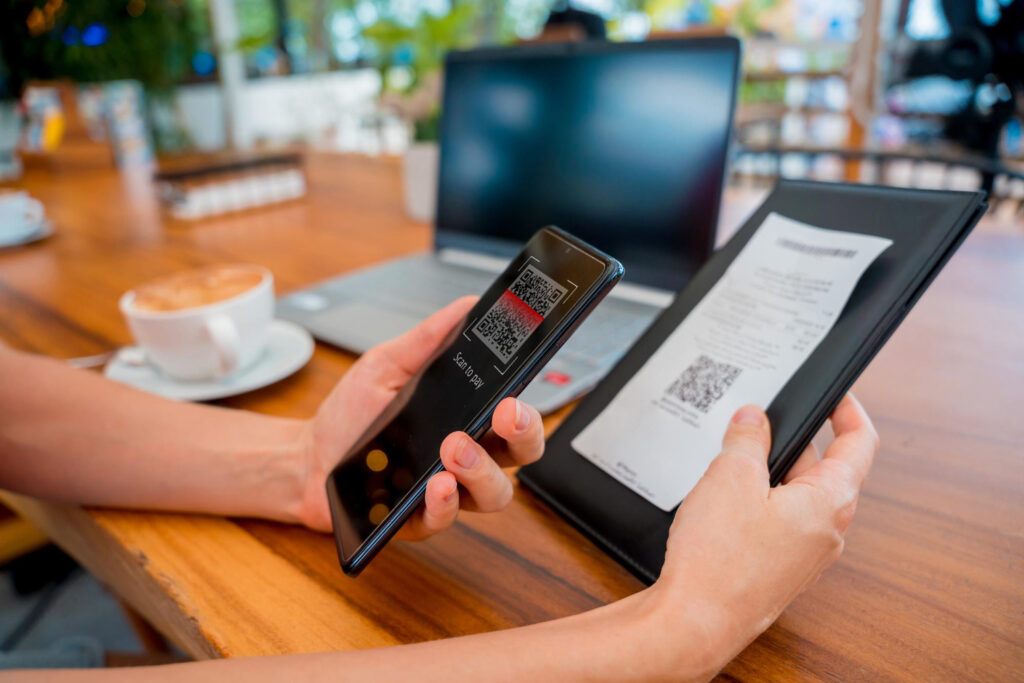
The integration of QR code-based ordering systems offers a convenient solution for customers. This technology allows them to access menus, place orders, and complete payments directly from their mobile devices. This technology eliminates the need for physical menus and reduces face-to-face interaction with cashiers, making it a hassle-free experience for customers and staff.
Customers simply need to sit at their table and scan the QR code provided at each table using their phones. Afterwards, they are directed to the digital menu and can send their orders directly to the kitchen in real-time. There is no direct physical contact with staff in this process. This technology significantly reduces the likelihood of order inaccuracies and wait times.
Additionally, QR code integration with POS systems supports various payment methods, including debit or credit cards and various digital wallets. This feature allows for faster, easier, and more accurate payments.
Using this technology also helps gather important customer information, allowing restaurants to tailor their services and promotions to their needs.
Online Ordering & Delivery
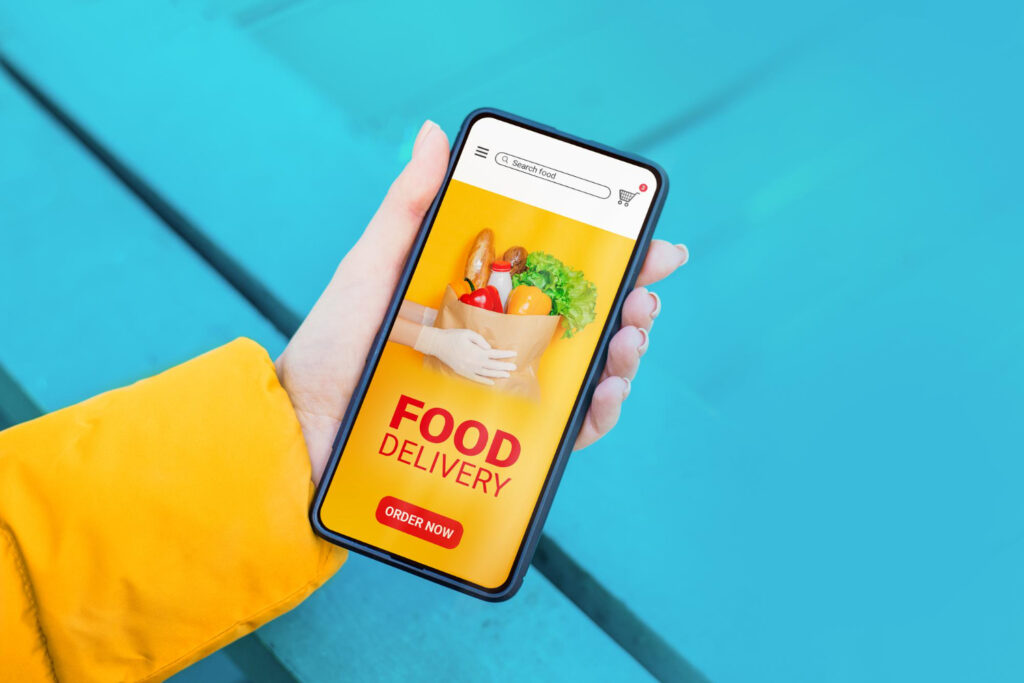
Fast-casual restaurants leverage online ordering and delivery to simplify the process of getting customers’ orders. Moreover, it expands ordering channels and enhances the overall ordering process.
With this technology, customers can customize their orders and easily place them online using the restaurant’s website or mobile app. This reduces the need to order via phone or visit the restaurant in person. Customers can view the menu, select their orders, and make payments just by sitting at home or in the office. This is particularly beneficial for reducing the burden of ordering on-site during busy hours and minimizing the effort required to enjoy a meal.
Effective delivery management is also crucial, as restaurants coordinate and track delivery operations. They must ensure smooth delivery, and that orders reach customers’ hands promptly. This helps maintain service levels, enhance customer trust, and foster loyalty.
Email Marketing

By using email marketing, fast casual restaurants can inform customers about newly launched menus, promotions, and special offers from the restaurant. By effectively utilizing this technology, they can transform occasional visitors into loyal customers, one way being by offering attractive promotions and incentives.
Email marketing also serves as a tool for restaurants to keep in touch with customers. For example, restaurants can invite customers to special events hosted by the restaurant. This can enhance physical customer engagement and increase customer loyalty. Restaurants can also achieve online customer engagement through email marketing. They can encourage customers to engage with social media platforms and leave reviews.
Email marketing is a crucial tool in restaurant marketing. It empowers fast-casual restaurants to increase sales, enhance customer relationships, and establish a robust online presence. Its convenience and effectiveness make it a must-have in every restaurant’s marketing strategy.
Loyalty & Gift Cards

Since fast-casual restaurants typically have a high volume of repeat customers, they are well-suited for implementing loyalty programs and offering gift cards. Loyalty programs, such as the “buy 10, get one free” deal, incentivise customers to return regularly, fostering customer loyalty. These programs reward frequent visitors and contribute to building a sense of community among patrons.
On the other hand, gift cards are prepaid cards that customers can purchase and then redeem for goods or services at the restaurant. They serve as a convenient payment method and can be given as gifts to friends, family, or colleagues. Beyond facilitating transactions, gift cards play a significant role in brand awareness by showcasing the restaurant’s logo and name, potentially attracting new customers who receive them as gifts.
Moreover, gift cards boost sales by encouraging recipients to visit the restaurant and potentially spend more than the card’s value. Studies have shown that gift card holders often exceed the card’s initial worth when making purchases, thereby increasing the restaurant’s revenue. Additionally, offering gift cards can enhance the overall customer experience by allowing individuals to share their favourite dining spots with others.
Frequently Asked Questions
Is fast casual considered fast food?
Fast casual is a term that bridges the gap between fast food and casual dining, offering a unique dining experience that combines elements of both. While it shares the fast service aspect of fast food, fast casual is generally considered a separate category due to its emphasis on a higher quality of food, atmosphere, and customer experience.
Fast-casual restaurants often feature more upscale and customizable menu options, fresher ingredients, and an inviting dining environment. Their pricing is typically higher than traditional fast food, reflecting the improved quality and service.
Therefore, although fast casual is closely related to fast food in terms of service speed, it distinguishes itself through a commitment to quality and dining experience that aligns more closely with casual dining standards.
How does the menu selection in fast-casual restaurants compare to traditional fast food?
Fast-casual restaurants set themselves apart from traditional fast food with a diverse menu offering options like quinoa bowls and kale salads. They prioritize customization, catering to various dietary preferences with vegetarian, vegan, and gluten-free choices, often locally sourced for freshness.
These establishments innovate with seasonal dishes, reflecting culinary trends.
In contrast, traditional fast food focuses on convenience and consistency, offering limited options like burgers and fries.
Fast casual combines the speed of fast food with the quality of casual dining, ensuring quick service with freshly prepared meals tailored to individual tastes. This deliberate approach to menu selection elevates the dining experience, blending convenience with diversity and freshness.
Are there typically healthy options available at fast-casual restaurants?
Fast-casual restaurants, a go-to for health-conscious consumers, offer many healthy options. These establishments are designed to cater to quick service needs, nutritional value, and dietary preferences. Their menus are packed with salads, bowls, lean proteins, and various vegetables, including whole-grain and gluten-free alternatives, making healthy eating convenient and accessible.
Fast-casual restaurants, many of which proudly use organic or non-GMO ingredients, are a haven for customers seeking cleaner eating options. The real power lies in the hands of the diners, who can customize their orders to control portion sizes and ingredient choices, crafting a meal that perfectly aligns with their health goals.
This emphasis on healthier, quality food options is a defining characteristic of the fast-casual dining experience, distinguishing it from traditional fast-food restaurants where healthy choices may be more limited.
Conclusion
Fast-casual restaurants stand out in the culinary world for their unique blend of fast food convenience and casual dining variety. In our fast-paced society, these eateries offer a quick lunch option that doesn’t compromise on comfort or food quality, setting them apart from the rest.
Fast-casual restaurants are not just about food; they’re about embracing the digital age. By harnessing the power of technology, these eateries can improve service, streamline the customer experience, and gain valuable insights into customer preferences, all to better serve you.