
Cloud kitchens use commercial kitchens to prepare food only for delivery or takeaway, without serving customers who dine in. They allow restaurateurs to expand their existing restaurants or start a virtual brand with minimal costs.
Various food industries today have innovated a lot, including cloud kitchens, which are starting to be widely used to trade food or beverages. This technology is considered practical and has several other advantages. If you want to know more about this technology, listen to the following explanation.
What Is A Cloud Kitchen?
A cloud kitchen prepares food and beverages for takeaway only. As such, it does not have a dine-in location. Therefore, the owners of these kitchens can only sell online or phone orders.
This is done for several reasons, such as reducing food waste, making it easier to expand the business in other areas, and reducing the cost of building a restaurant or cafe. Therefore, many people take advantage of this because the food or drinks they sell continue to sell even though there is no physical restaurant or cafe.
Cloud kitchen business models
Cloud kitchens also have several business types. The types are divided into two based on their location.
Shared space
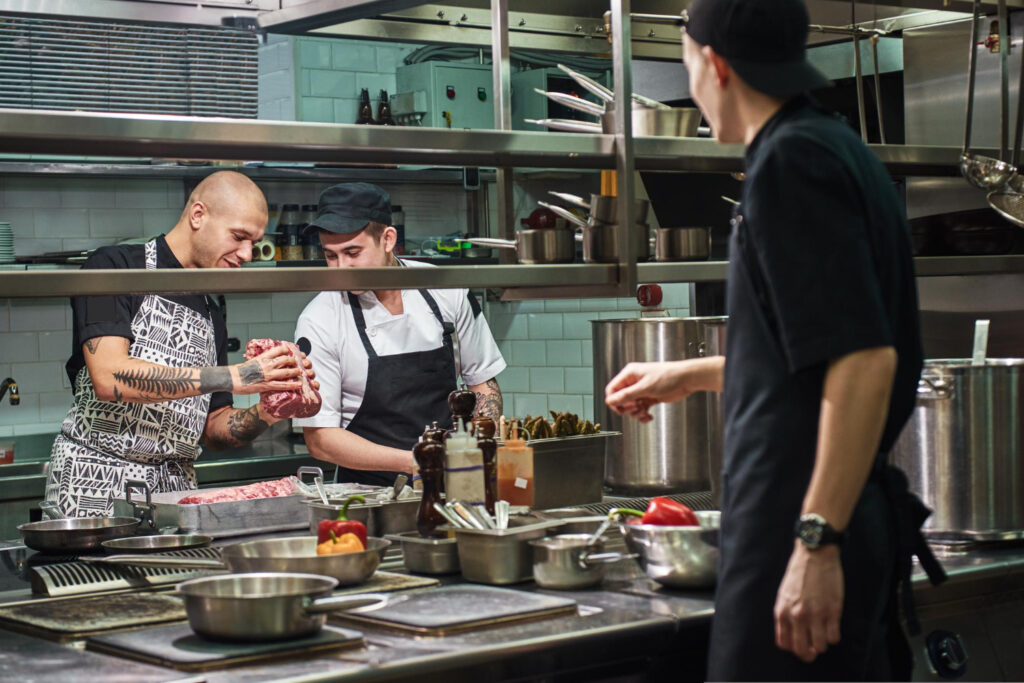
In the shared-space cloud kitchen model, restaurant owners utilize their staff and products, while a third party owns the physical space and equipment. Multiple businesses can use this shared kitchen space to prepare in-house food, avoiding the additional costs of running a standalone restaurant.
Dedicated space
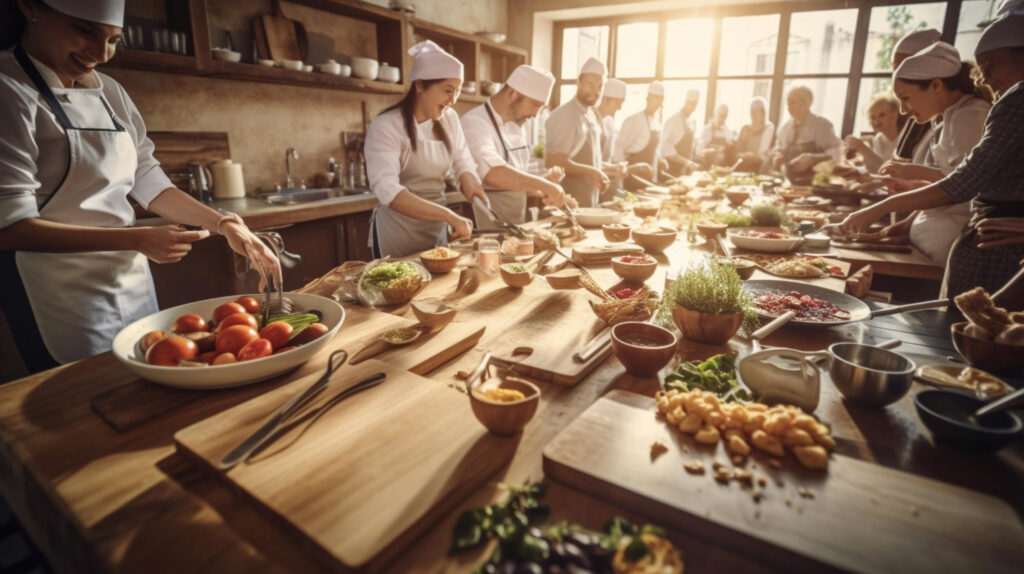
In contrast to shared space, a dedicated space is purchased or rented by a product for its own use. This allows them to decide whether to use one or many concepts but not allow other products to operate there.
How Does A Cloud Kitchen Work?
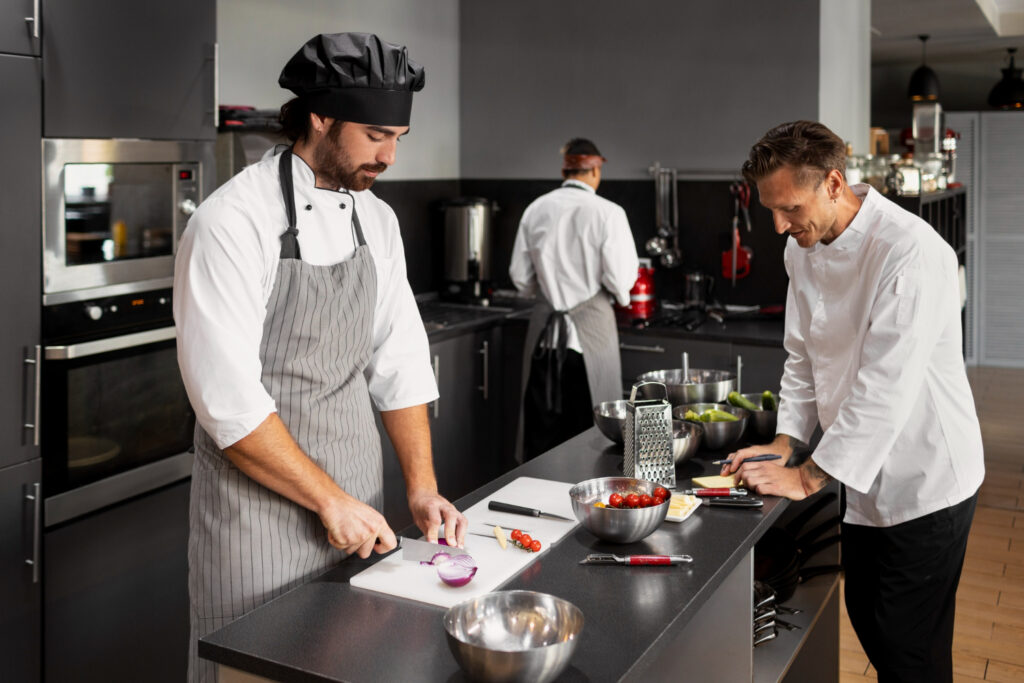
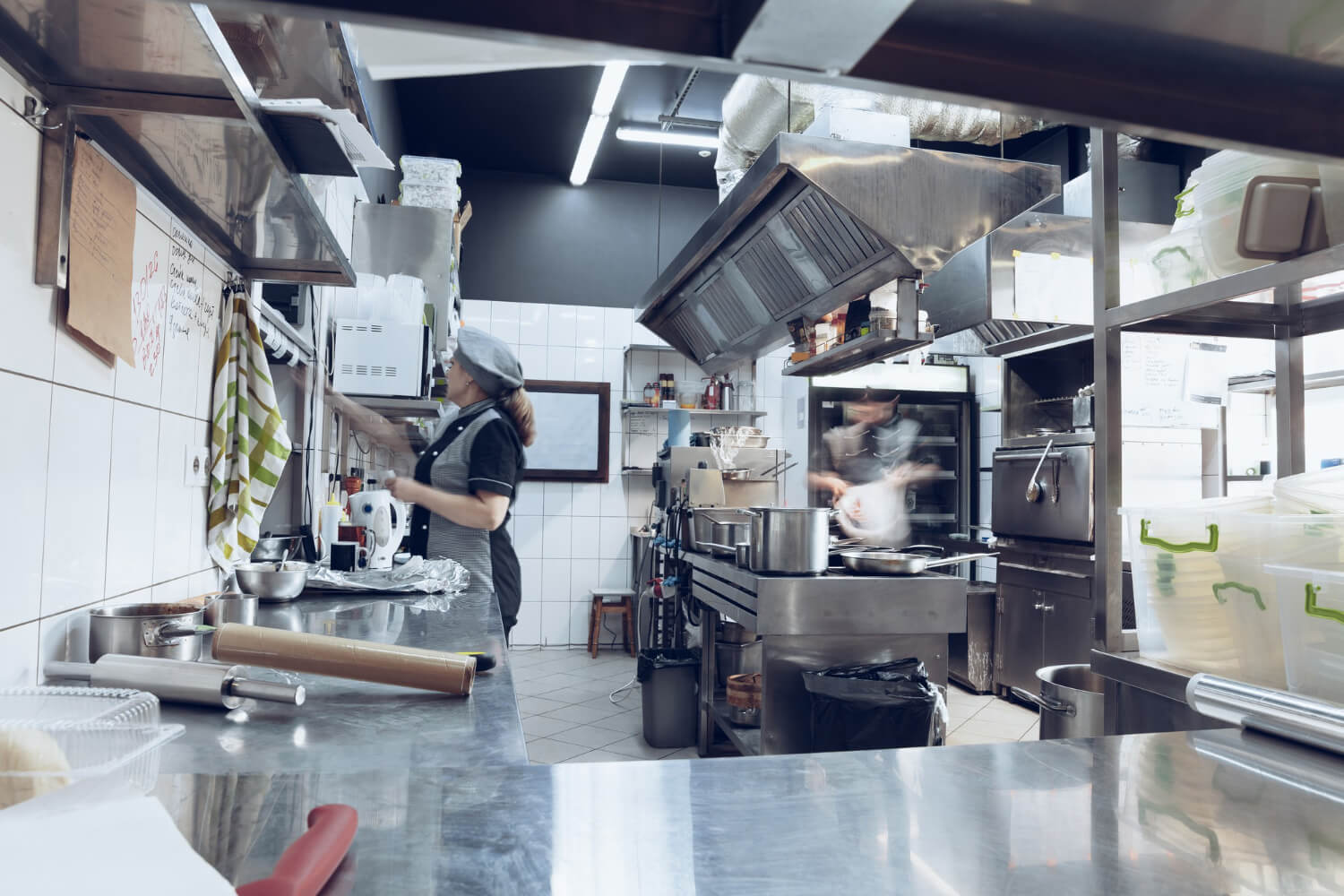
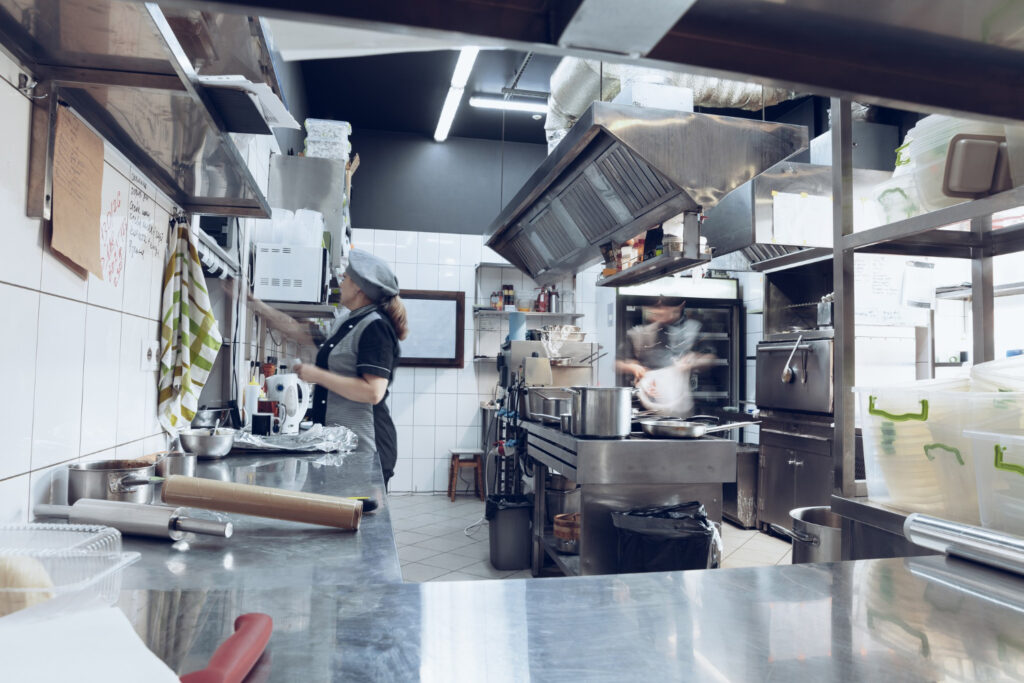
A cloud kitchen operates differently from a traditional restaurant. Cloud kitchens are centralized food production facilities that rent kitchen spaces to food businesses. Within the same cloud kitchen, you can find more than a dozen brands operating in shared spaces (where one team cooks for multiple brands) or private spaces (where each brand has its kitchen within the same warehouse).
Each kitchen within the warehouse contains the basics you would need in a typical kitchen: fridge, prep area, fryer, oven, and sink. You can subscribe to a cloud kitchen provider based on the equipment and appliances they include in their package, or you can bring your own if it aligns with the cloud kitchen provider’s policy.
These kitchens are purpose-built for delivery-only models, meaning that you’ll find dedicated spaces for order-receiving hardware, rest areas for delivery drivers, and item packaging areas, among other features.
What are the advantages of cloud kitchens?
There are several advantages to using a cloud kitchen to sell food and beverages.
Flexible menu

Being app- or web-based allows you to adjust your menu focus anytime without the hassle of updating physical signage or printed materials. If an ingredient becomes too expensive or is no longer accessible in your area, you can easily replace menu items to accommodate what’s currently available.
Opportunity for experimentation
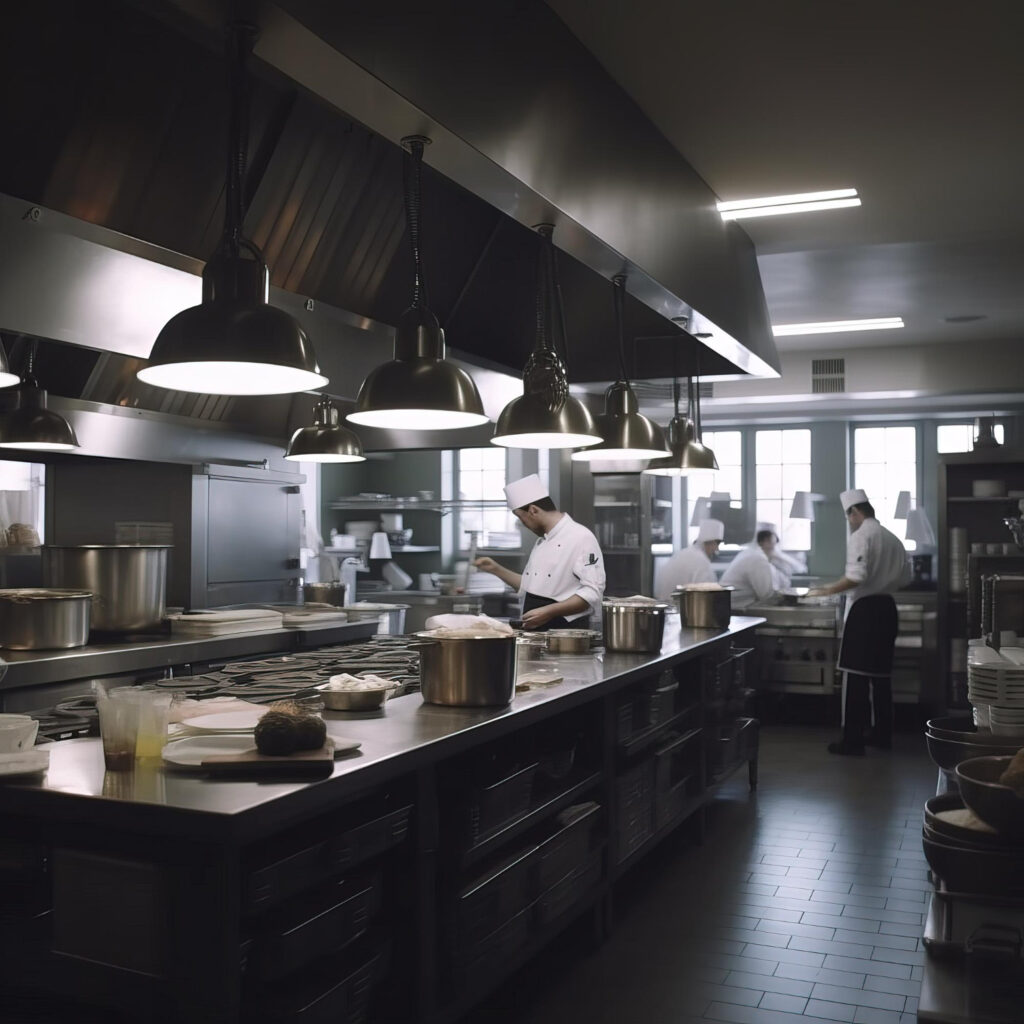
Cloud kitchens enable restaurateurs to experiment with new concepts, iterate quickly, and easily discard ideas that aren’t successful, all while minimising exposure.
Access to customer data
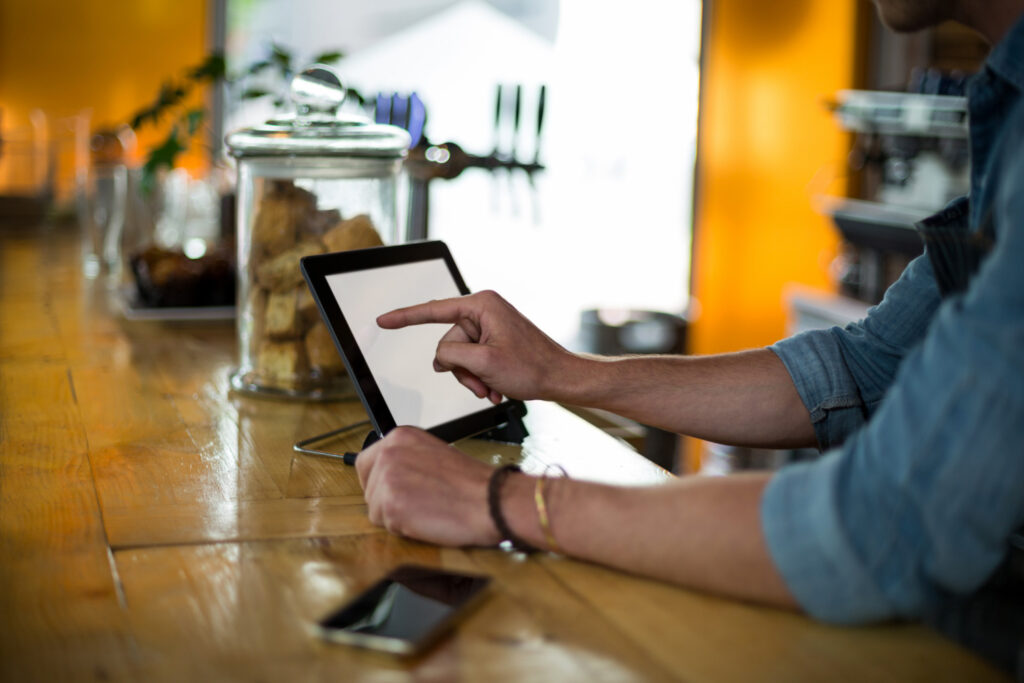
Cloud kitchens are purposefully designed to seamlessly engage with customers throughout the entire journey—from initial research to placing online food ordering and fulfilment. As a result, cloud kitchens can optimize processes, streamline ordering, and efficiently schedule staff based on consumer behaviour.
Lower financial investment

Cloud kitchens remove several costly elements necessary for virtual restaurants: decorations, signage, dinnerware, and additional staff members such as servers or hosts.
Leverage third-party apps for marketing
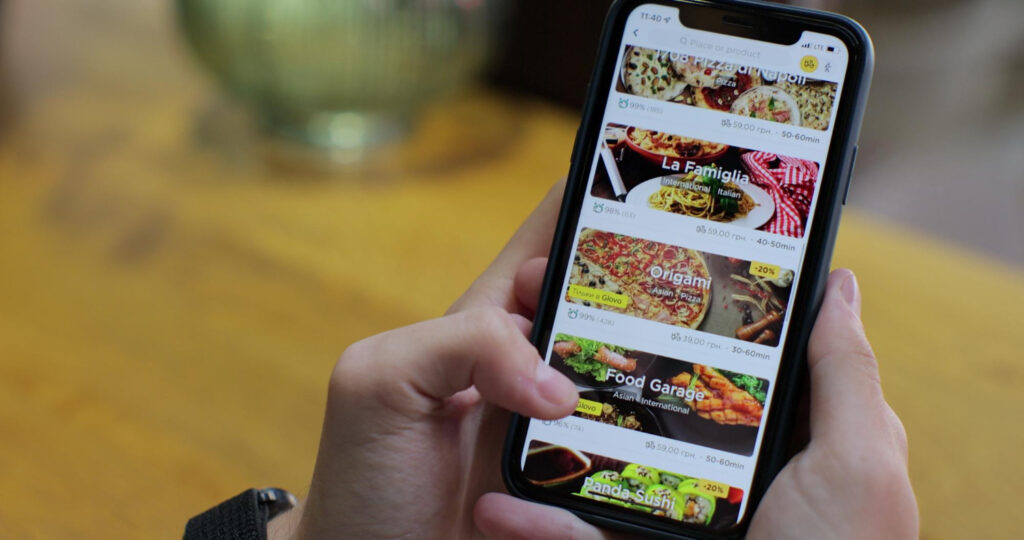
Virtual restaurant brands can rapidly gain exposure through delivery apps, bypassing the need for extensive self-marketing.
More efficient
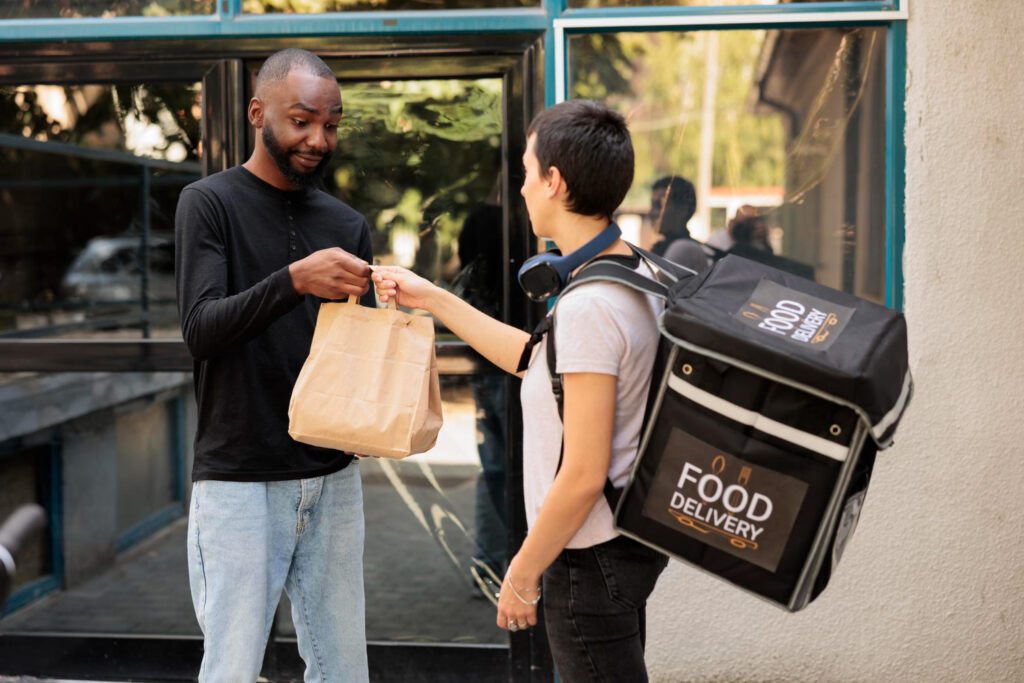
Cloud kitchens can operate highly efficiently by utilizing custom-built spaces and optimizing processes specifically for delivery. If you’re managing multiple brands from a single kitchen, you have the flexibility to batch-prep ingredients for various menus.
Who Uses Cloud Kitchens?
Beloved local restaurants and well-known branded national restaurant chains are quickly turning to cloud kitchens as the ideal solution for growing their business. Here are some of the types of companies that use cloud kitchens.
Meal-prep companies
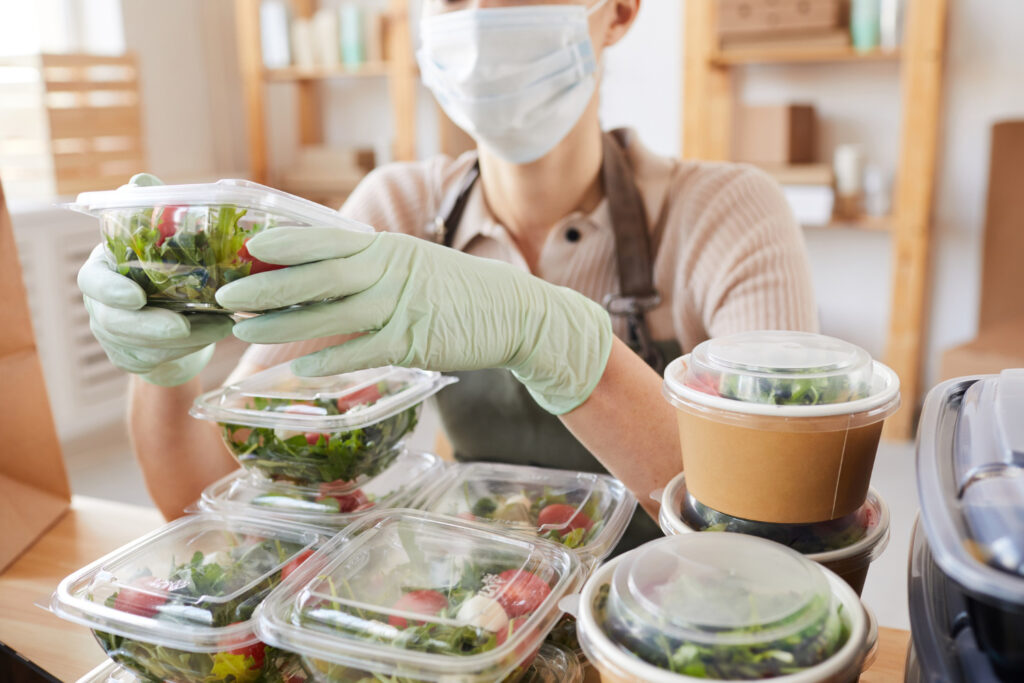
In a virtual kitchen setup, meal prep companies can focus solely on their core business: preparing nutritious and delicious meals. They don’t need to worry about maintaining physical locations, dealing with restaurant decor, or managing additional staff. Instead, they can optimize their processes, streamline production, and efficiently serve customers through online orders and delivery platforms.
Food product testing

A cloud kitchen represents a low-risk, cost-effective solution that empowers your company to conduct market tests for new food products and brand concepts. Operating within a cloud kitchen allows you to experiment with menu items, culinary innovations, and branding strategies without the substantial capital investment required for traditional brick-and-mortar restaurants.
This flexibility allows you to gauge customer preferences, adapt swiftly to trends, and fine-tune your offerings based on real-world feedback. Whether you’re a startup or an established food business, cloud kitchens provide an agile platform for culinary creativity and business growth.
Package food producers

Cloud kitchens offer abundant warehouse space and essential equipment, making them an ideal solution for packaged food producers looking to scale their operations. By utilizing cloud kitchens, producers can efficiently expand their production capacity without the overhead costs associated with traditional facilities.
Caterers
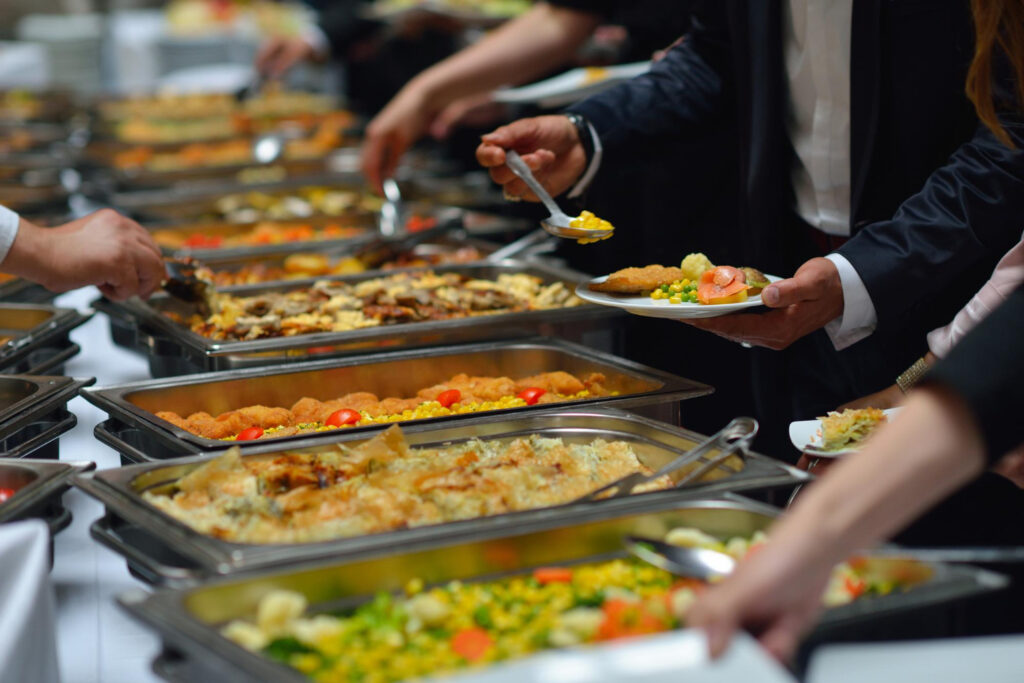
If you own a catering company and require a private kitchen with ample cold and dry storage space without straining your budget, cloud kitchens offer an ideal solution. These facilities provide the necessary food preparation and storage infrastructure, allowing you to focus on your culinary business without the high costs associated with traditional commercial kitchens.
Delivery-optimized restaurants
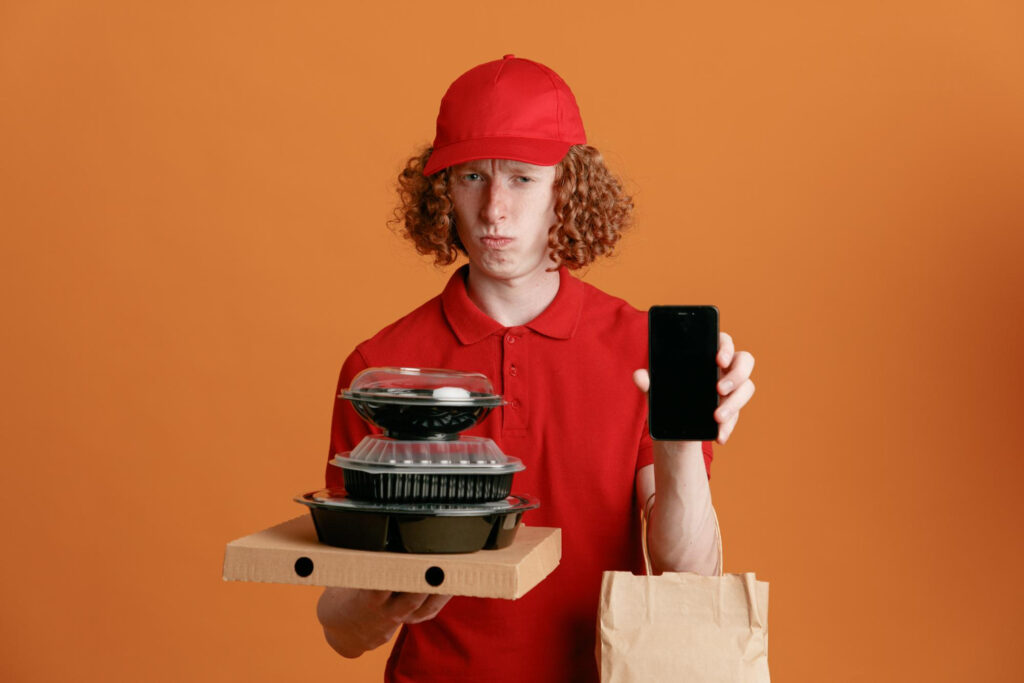
Delivery-optimized cloud kitchens provide a streamlined solution for handling orders without unnecessary overhead or complications. These cloud kitchen-based restaurants leverage popular online food delivery platforms such as DoorDash, Postmates, and UberEats, or they may have a custom white-label ordering system. Consumers can conveniently place orders via mobile devices and promptly deliver their food to their homes or offices.
The Benefits Of A Cloud Kitchen
There are several benefits that we can get from using a cloud kitchen.
Reduced Food Waste, Increased ROI
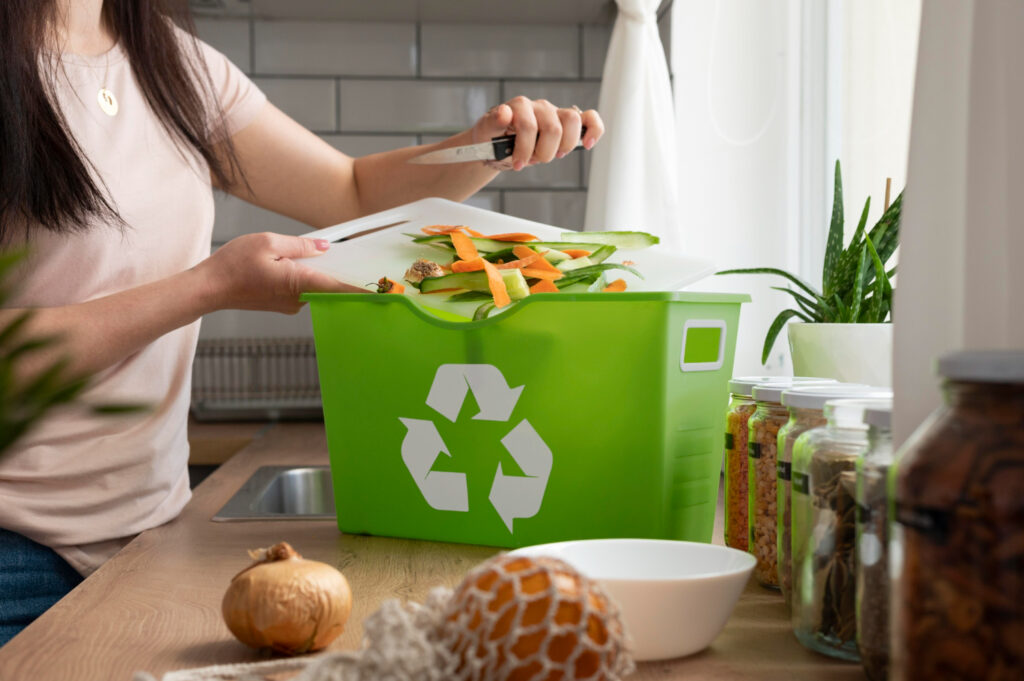
Cloud kitchens frequently accommodate multiple virtual restaurant brands within a single kitchen space. This shared resource model promotes efficient kitchen equipment and materials utilization, minimizing waste and enhancing overall efficiency. The cost savings from this approach can be directly passed on to customers, providing virtual brands with a competitive edge over traditional restaurants.
Wider Market Reach

Cloud kitchens have the advantage of operating in and serving premium locations at a fraction of the cost compared to launching a traditional restaurant with a physical storefront and dining space. Food brands can significantly increase their reach by cooking their recipes closer to where a significant portion of their customer base resides. This extended reach often translates to higher sales and improved brand exposure.
Rapid Scaling

Cloud kitchen concepts can rapidly expand by launching additional virtual restaurants in various locations or forming partnerships with existing kitchen facilities. This scalability allows for faster growth compared to opening multiple physical restaurants.
Frequently Asked Questions
What Are The Challenges Of Cloud Kitchens?
Operating a cloud kitchen has several challenges, including competition, food safety and hygiene, delivery logistics, and consistent food quality. Overcoming these challenges requires a comprehensive understanding of the delivery market and a strong focus on operational excellence.
Is Cloud Kitchen B2B or B2C?
Cloud kitchens can operate in B2B (business-to-business) and B2C (business-to-consumer) models. They serve as a B2B solution by providing kitchen space to food businesses, and simultaneously, they function as a B2C platform when delivering meals directly to consumers through online food delivery services.
How to make a menu for a cloud kitchen?
When creating a menu for your cloud kitchen, consider the preferences of your target audience and focus on dishes that are easy to prepare, travel well, and use staple ingredients.
Conclusion
The explanation of the cloud kitchen above can inspire those who want to sell food and drinks. This sales system already offers many advantages and benefits. So, how will you start trying this system for food sales?