
When it comes to dining experiences, a buffet restaurant offers an unmatched all-you-can-eat adventure. These places cater to many tastes and preferences. You get to sample various dishes, from hearty mains to delectable desserts, all for a single price.
This dining style is perfect for those who love to explore different cuisines without committing to a single dish. Plus, buffets are great for groups, making them ideal for family outings and celebrations.
Ahead, we will review everything about buffet restaurants and how you can start one. Read on!
What is a Buffet Restaurant?
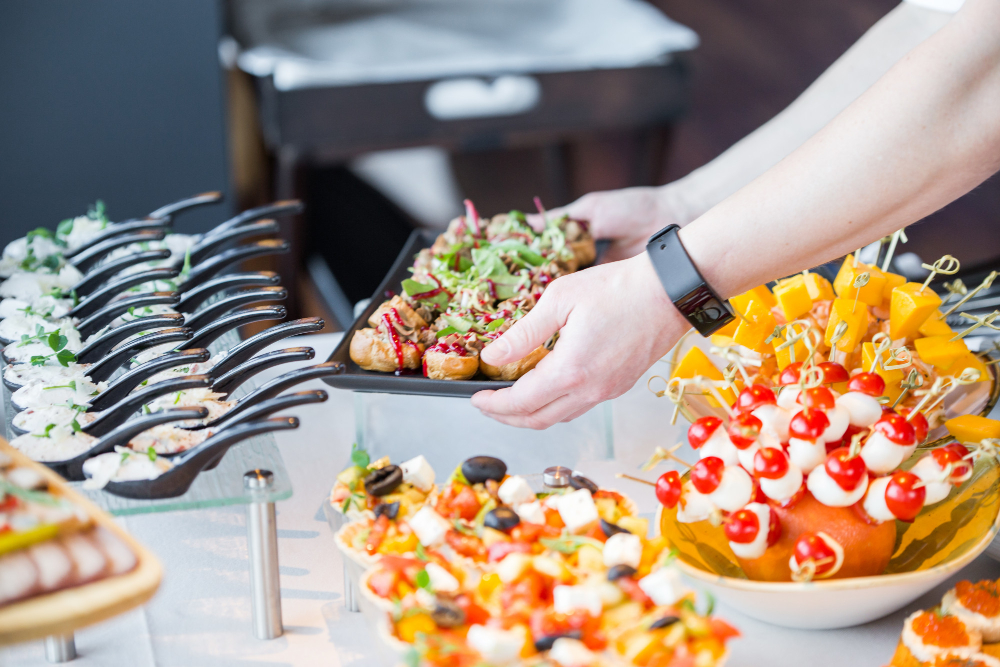
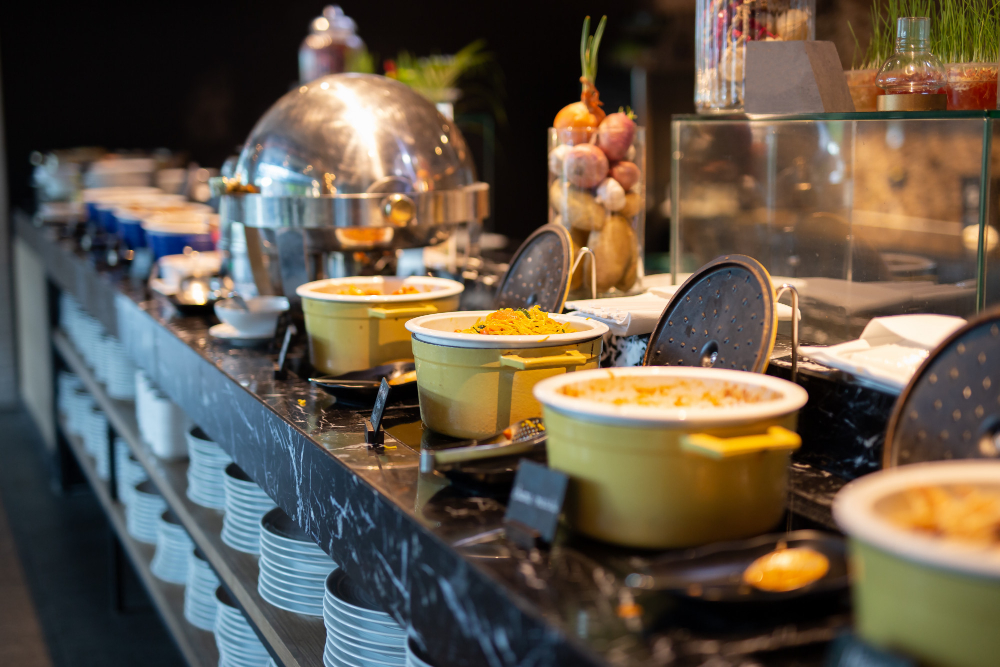
A buffet restaurant is a dining establishment where customers serve themselves various dishes laid out on a table or counter. This self-service model allows diners to choose their portions and try a bit of everything at a flat price.
Buffets typically feature multiple stations, each dedicated to different types of food, from salads to desserts.
What is the History of Buffet Restaurants?

The concept of the buffet-style meal dates back to the 16th century in Sweden with the “smörgåsbord“.
Originally, it was a way for hosts to display an array of hors d’oeuvres before the main meal. The idea caught on and spread across Europe, evolving into a meal format in its own right.
By the 20th century, buffets had become popular in the United States, particularly in Las Vegas, where they attracted customers to casinos.
This restaurant concept is now a global hit.
How Do Buffet Restaurants Work?

Buffet restaurants operate on a self-service model where diners pay a fixed price to access various foods.
Upon entering, you typically pay at the counter and receive a plate or wristband that grants you access to the buffet. The food is arranged in different stations, allowing you to explore and serve yourself whatever you fancy.
After selecting the dishes, you can go to your table and enjoy your meal.
Most buffets have a time limit, usually around two hours, to ensure a steady flow of customers.
The food is regularly refilled, and there are usually staff members on hand to maintain cleanliness and assist with any questions you might have.
Different Types Of Buffet Restaurants
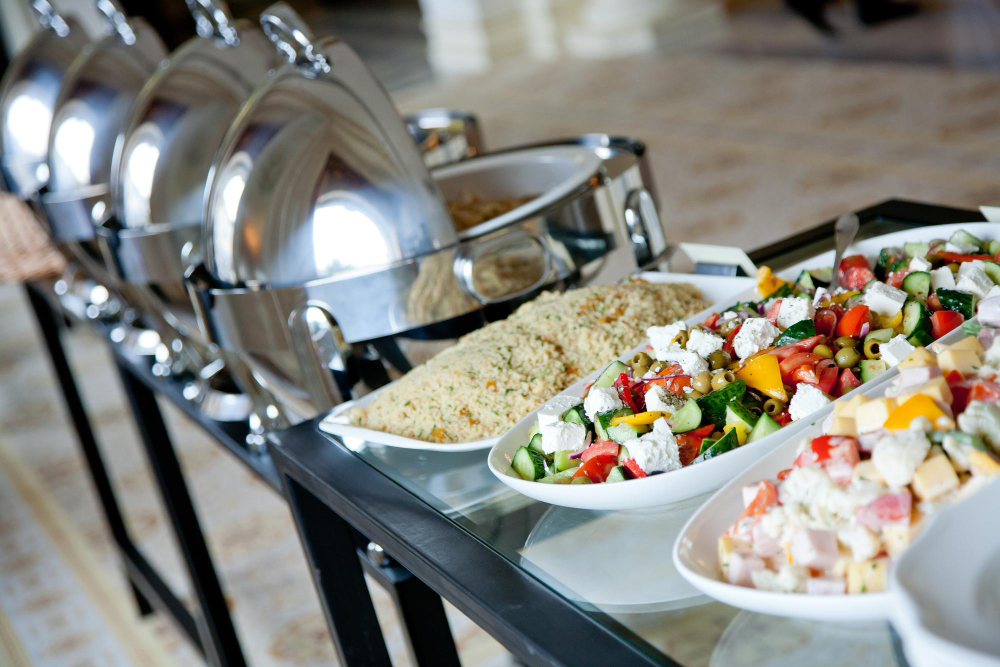
There are several types of buffet restaurants, each offering a unique dining experience.
- All-You-Can-Eat Buffets: Unlimited portions of a wide choice of dishes.
- Specialty Buffets: Focus on a specific cuisine or food type (e.g., seafood, Chinese, Indian).
- Hotel Buffets: Luxurious spreads with gourmet dishes and live cooking stations.
- Cafeteria-Style Buffets: Staff serve portions of available dishes in a line.
- Sushi Buffets: Offer a range of sushi and sashimi, often with made-to-order options.
How Do You Start a Buffet Restaurant?

Starting a buffet restaurant involves several key steps.
- Develop a solid business plan outlining your concept, target market, and financial projections.
- Choose the best location, with high foot traffic and vast space for your buffet setup.
- Source reliable suppliers for fresh ingredients and invest in quality kitchen equipment.
- Hire skilled staff, including chefs and servers, to maintain food quality and customer service.
- Promote your restaurant through marketing strategies like social media, local ads, and partnerships with nearby businesses.
The Advantages and Disadvantages of Buffet Dining

Buffet dining has its advantages and disadvantages.
The advantages include:
- Various food options cater to different tastes and dietary preferences.
- A cost-effective way to enjoy multiple dishes, making it ideal for group dining.
- Encourage social interaction as diners move around and sample different stations.
However, there are disadvantages too, including:
- The quality of food can sometimes be inconsistent due to the large quantities prepared.
- There’s also the risk of food wastage, as diners often take more than they can eat.
- Maintaining hygiene can be challenging for many people who are serving themselves.
While buffets offer a fun and diverse dining experience, they also require careful management to ensure quality and sustainability.
Frequently Asked Questions
What is a good menu for a buffet?
Balance different dishes to cater to various tastes. Include fresh salads, appetizers, a variety of proteins (chicken, beef, seafood, vegetarian), sides (rice, pasta, vegetables), and a range of desserts (cakes, pastries, fruits, cheeses).
How to make a cheap buffet?
Use affordable, seasonal ingredients, buy in bulk, and focus on hearty dishes like pasta, rice, and stews. Limit expensive items like seafood and premium meats.
What do you put on a buffet table?
Start with cold appetizers and salads, followed by hot dishes (proteins, vegetables, starches), and end with desserts and beverages. Ensure easy access and clear labelling for a better dining experience.
Conclusion
Buffet restaurants provide a unique dining experience, emphasizing variety and self-service. Whether planning to start your buffet or just enjoy a meal with endless options, understanding buffet dining can enhance your appreciation.
The success of a buffet hinges on the quality and variety of food, efficient management, and a welcoming atmosphere.
If you want to have (or already have) a buffet restaurant, ensure you get your digital marketing strategies right. Contact SEO for Restaurants for professional assistance!