

Every restaurant business has different ways of maintaining or increasing profitability. These strategies are essential and must be continually developed to make a restaurant superior to its competitors, given the fierce competition in the food and beverage industry. One crucial strategy that restaurant owners must know is how to calculate the average food cost percentage for restaurants. Knowing the appropriate food cost for a restaurant will increase the chances of earning more profit. Here is an explanation of food cost percentage and essential formulas to boost your business.
What is the food cost percentage?
Every restaurant has a large inventory to store ingredients and other additional necessities in the menu preparation process. If the restaurant team does not use formulas to calculate food cost percentage, there are many risks of food loss and waste, leading to decreased restaurant profits. To calculate it, divide your total food costs by the total sales and multiply by 100. A typical food cost percentage for a restaurant can range from 25% to 35%, depending on the type of food and location.
Why should you calculate your food cost percentage?

Calculating the average food cost percentage for restaurants allows you to determine whether your pricing strategy is effective. If the calculation shows that your rate is relatively high, it means you have to reduce it. It is because you are overspending on ingredients and not charging enough for the menu items in your restaurant. It is essential to spend on ingredients and price them at the most appropriate price. On the other hand, a low percentage means that your restaurant is not making a sufficient profit. Therefore, it is important to spend on ingredients and price them at the most appropriate price.
Moreover, calculating the average food cost percentage helps restaurants evaluate their business strategies and find the best solutions in terms of pricing. This strategy allows restaurants to make the best decisions.
How to calculate food cost percentage
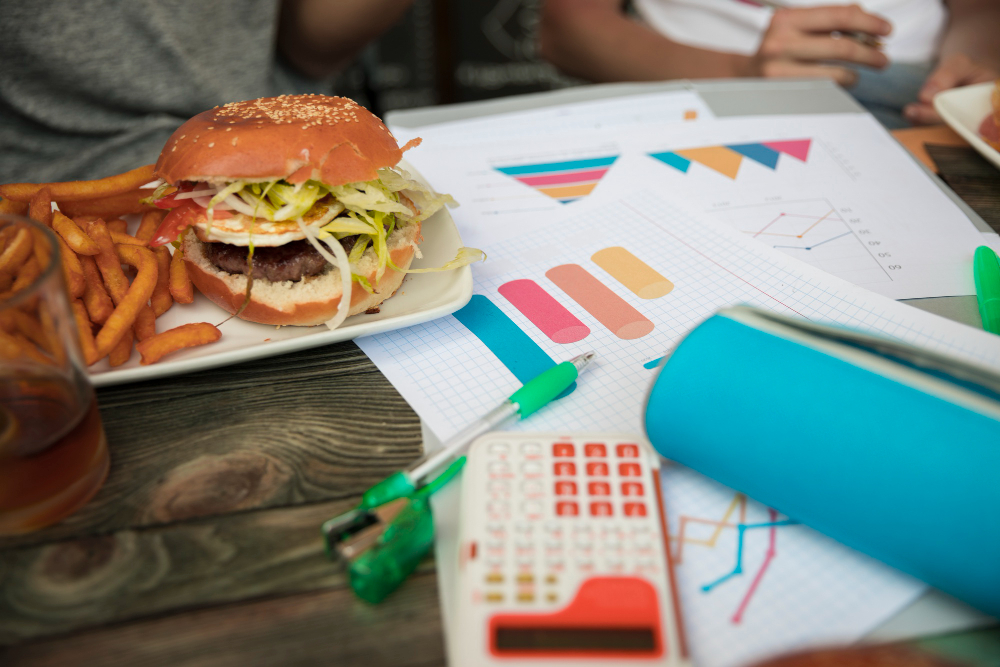
Understanding how to calculate average food cost percentage for restaurants is a vital step toward managing your restaurant’s finances. We’ll explore the formula and break it down for you.
Total food cost formula
To calculate the average food cost percentage for restaurants, use this simple formula:
Food Cost Percentage
( Total Cost of Goods Sold / Total Food Sales ) x 100
Having a food cost percentage of around 25% – 30% means your restaurant pricing is appropriate and will generate sustainable profits.
Food cost formula for an individual menu item
To calculate the food cost percentage for a specific menu item, use the following formula:
Food Cost per Menu Item
( Total Cost of Dish per Serving / Menu Price of Dish )
Calculating the menu based on this formula ensures that each menu item is contributing to your overall food cost strategy.
How to price your menu based on food cost percentage
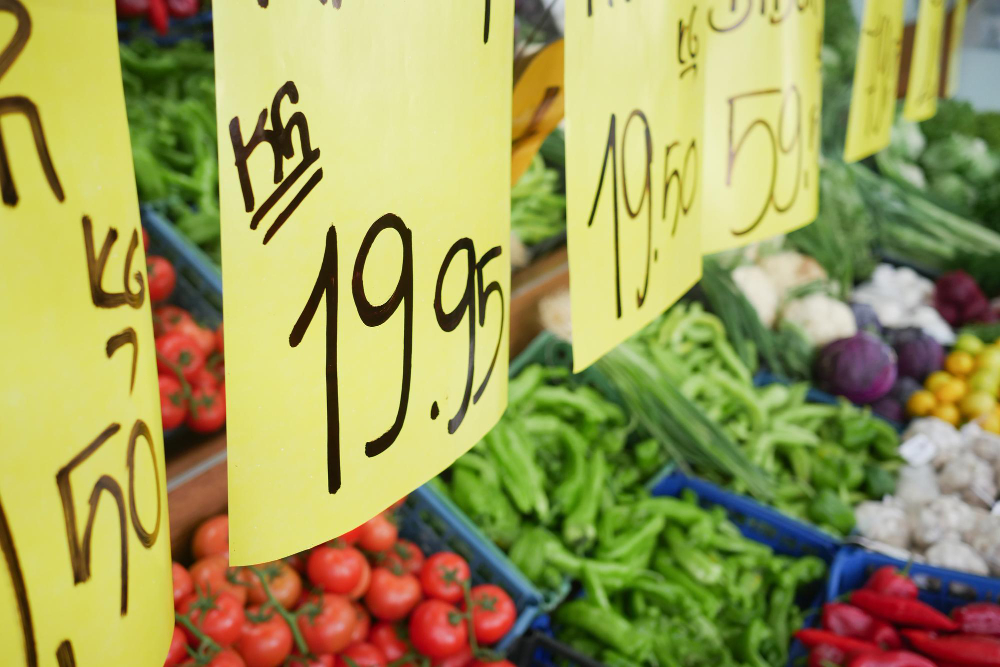
Pricing your menu correctly based on food cost percentage is essential for staying profitable. To price your menu correctly, first determine your target food cost percentage. Most restaurants aim for a food cost percentage between 25% and 35%. To calculate the price of a menu item, use this formula:
Menu Price
Cost of Ingredients / Desired Food Cost Percentage
For example, if it costs $4 to prepare a dish and you want a food cost percentage of 30%, the price would be:
40 / 0.30 = 13.33. So, you would price the dish at approximately $13.33.
By understanding your target food cost percentage as a menu pricing strategy, you can ensure that your prices align with your profit goals. Additionally, adjusting your prices regularly allows you to account for changes in ingredient costs and ensure you’re not losing money on items.
How to save on food costs at your restaurant
There are several ways to reduce food costs while maintaining the quality and appeal of your menu. Here are some strategies to help you keep expenses in check.
Remove low-performing items
If you want to increase profits, evaluating and revamping your menu is crucial. Some menu items are very popular with many people, but some menu items are not very appealing to consumers. It could be due to various factors such as different taste preferences, overly high pricing, and so on. If there is a menu item that is not performing well, remove it or replace it with a new menu variation that many people can enjoy.
Evaluate every item on the menu
Knowing which menu items generate high profits and which ones underperform in a restaurant is the result of the restaurant team’s evaluation. Therefore, it would be better to evaluate every menu item to increase profits consistently. For example, a restaurant evaluates the pricing of menu items and finds that some items are priced too high, resulting in low profits. The best solution for the restaurant is to adjust the portion size or ingredients, or reduce the menu’s cost.
Keep your menu seasonal
Seasonal menu changes are very popular with many consumers. This is because restaurants provide new menus within a specific time limit and create a sense of urgency for visitors. Using seasonal ingredients also means that they are fresh and healthy, improving the quality of each menu item.
Frequently Asked Questions
What is the percentage of overhead for restaurants?
The overhead percentage for restaurants includes all the indirect costs associated with running the business, such as rent, utilities, and salaries. Typically, overhead costs range from 20% to 35% of total sales, but this can vary depending on the location and size of the restaurant.
What is a typical overhead percentage?
A typical overhead percentage is between 25% and 30% of total revenue for many restaurants. It includes costs like rent, utilities, equipment maintenance, and staff salaries. Managing overhead efficiently is key to ensuring your restaurant remains profitable.
How to calculate per head cost?
To calculate the per-head cost, divide your total food costs by the number of guests served during a specific period. For example, if your food costs are $5,000 and you served 1,000 guests, your per head cost would be:
5,000 / 1,000 = 5
It helps you understand how much you’re spending on food for each customer.
Conclusion
Understanding and calculating the average food cost percentage for restaurants is essential for maintaining a healthy profit margin. By closely tracking food costs, adjusting menu pricing, and finding ways to reduce waste, restaurants can increase profitability and ensure long-term success. Regularly review your food cost percentage and adjust your strategies as needed.
Ready to optimise your restaurant’s finances? Visit SEO for Restaurants for expert tips and insights on how to elevate your restaurant’s profitability!