

What crosses your mind when you think of “AI for restaurants”? Perhaps smart robots greeting guests or generative AI crafting personalized menus?
As the line between human and machine blurs, AI is revolutionizing the restaurant industry. From streamlining operations to creating more engaging customer experiences, the future is smart and exciting.
Want to discover how AI can elevate your restaurant? Learn more about using AI for restaurants the right way!
What is AI for Restaurants?

AI for restaurants is about making technology and humans work together as friends, not rivals.
A recent survey shows that 91% of top businesses are investing in artificial intelligence, and nearly all (91.7%) are increasing their investment.
But what exactly is AI? AI, or Artificial Intelligence, refers to machines and systems designed to mimic human intelligence in learning, decision-making, and problem-solving.
In restaurants, AI transforms service workers’ operations, making everyday tasks more efficient and customer experiences more personalized.
From chatbots managing reservations to robots in the kitchen, AI tools streamline operations, improve customer service, and boost profits. This means less time on repetitive tasks and more focus on creativity and hospitality.
How is AI Used in Restaurants?
Automated or Robotic Kitchen Assistants
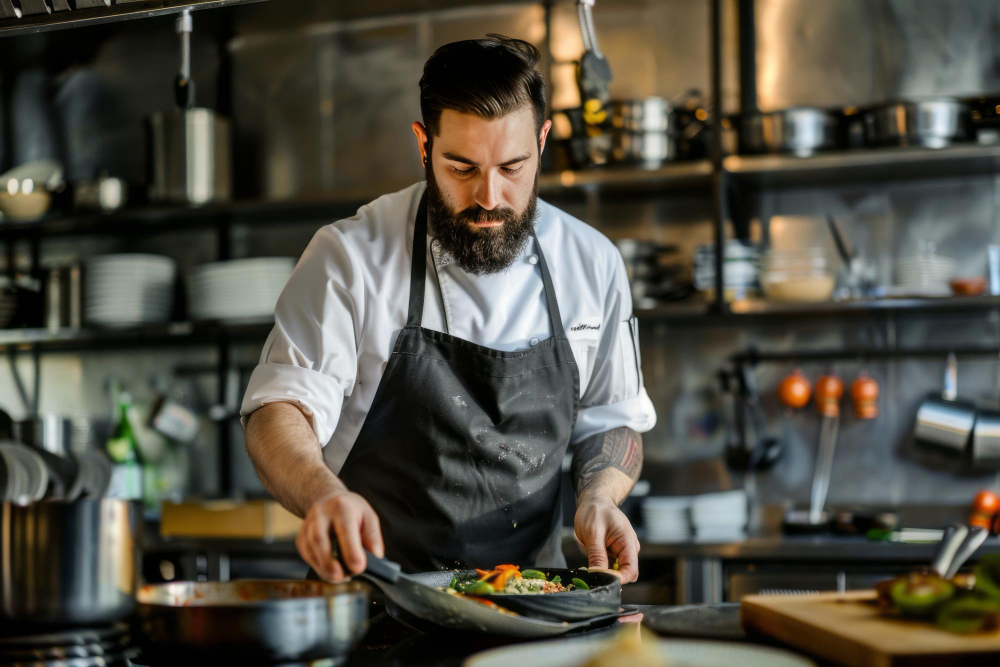
AI-powered kitchen assistants, like robotic arms, automate repetitive tasks such as chopping, cooking, and plating, allowing chefs to focus on creativity and quality.
For instance, Flippy 2 is a robotic fry cook that makes fries, onion rings, wings, and more with a button press. It features a smaller size and AI to auto-recognize foods and adjust frying times. There’s also a lite version of this robotic fry.
Smart Kitchen Technology
Smart kitchen technology uses AI to manage kitchen operations, from inventory tracking to optimizing cooking times. This tech helps streamline workflows and reduce waste.
Many restaurants worldwide have adopted this technology. For example, Casa del Barco in Richmond, Virginia, uses smart kitchen technology like a Kitchen Display System (KDS) to sync multiple prep stations. This system ensures that all dishes are prepared and served together, hot and fresh, without paper tickets.
AI-powered Digital Menu Boards
These AI-powered digital menu boards change in real-time based on weather, time, and customer preferences. They offer personalized promotions and suggestions, enhancing the customer experience.
One example of this technology is Starbucks, which uses AI-powered digital signs in all its locations. ,
AI-powered Drive-thru
AI is revolutionizing drive-thrus with voice recognition and machine learning to take orders and process payments. These systems speed up the process and improve order accuracy.
Wendy’s implements this technology by personalizing its drive-thru menus based on the time of day. This offers a better customer experience and boosts sales.
AI-powered Computer Vision
It analyzes video feeds to monitor food quality, inventory, and safety. It identifies workflow bottlenecks and reduces waste. This technology provides real-time insights, helping restaurants maintain standards and improve service efficiently.
Benefits of AI in Restaurants

Cut Costs
By automating tasks like order-taking and inventory management, AI will cut your restaurant’s costs. This lowers labor costs and cuts waste with better stock control and demand prediction.
Customize Orders
Humar errors often happen when employees note the menus ordered by customers. AI minimizes these mistakes and enhances the customer experience.
It can also customize orders based on preferences and past choices and suggest personalized menu items.
Find New Customers
AI analyzes data to pinpoint potential new customers. By delivering targeted offers, restaurants can attract more diners and increase sales.
Reduce Errors
One of the most important benefit of Ai for restaurants is reducing errors. This technology minimizes errors by automating ordering and kitchen processes. This leads to quicker service, happier customers, and smoother restaurant operations.
Improve Guest Service
AI enhances guest service by providing faster and more accurate order processing, personalizing interactions, and handling routine inquiries through chatbots.
This allows your restaurant’s staff to focus on delivering high-quality, in-person service, boosting efficiency and guest experience.
Kinds of AI Tools for Restaurants That You Should Know
Chatbots and Voice Assistants
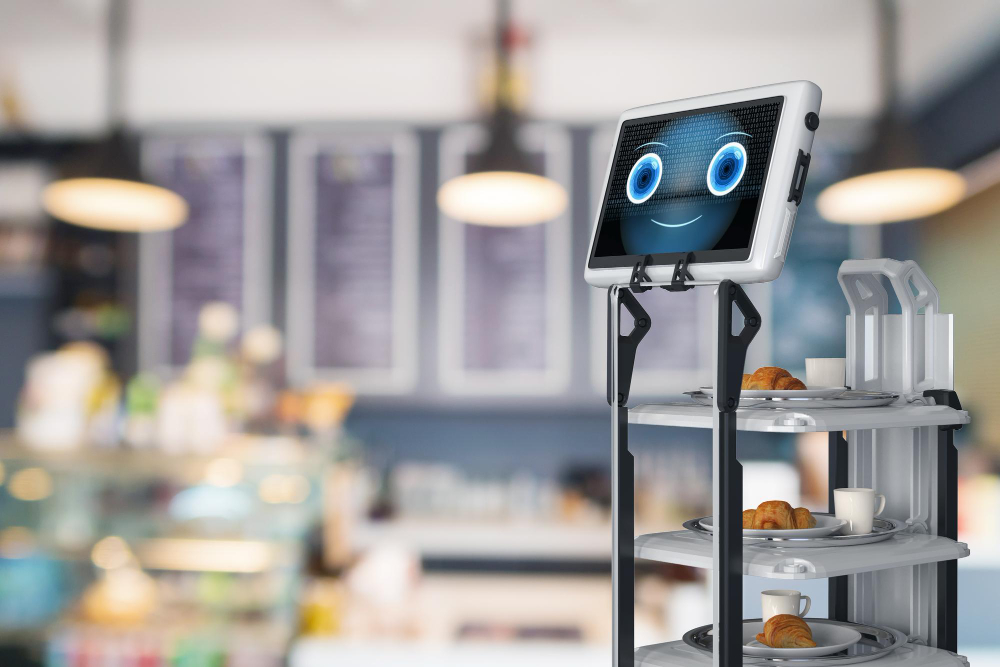
Chatbots and voice assistants handle reservations, answer questions, and take orders. They offer quick responses and free up staff for more important tasks, improving customer service and efficiency.
For instance, Domino’s “Dom” Chatbot allows customers to place orders through platforms like Facebook Messenger without needing to call or visit the website.
AI-Powered Inventory Management
Track your stock levels and predict demand using AI-powered inventory management. This system helps reduce waste and prevent shortages, resulting in optimal stock management and reduced time and costs.
Scheduling Solutions
Tools like Lineup.ai optimize staff shifts based on demand across all locations, reducing overstaffing or understaffing. This helps manage labor costs and ensures smooth operations during peak hours.
AI Kiosks and Drive-thrus
AI kiosks and drive-thrus speed up order processing and reduce wait times. Fast food chains like Taco Bell and KFC are starting to use AI to personalize recommendations and improve order accuracy, enhancing the customer experience.
POS System Enhancement
Integrating AI with your restaurant’s POS systems provides data insights on sales trends and customer behavior. They streamline payment processes and help with inventory and staff management, boosting overall efficiency.
Frequently Asked Questions
How is AI used in fast food?
AI is used in fast food to automate ordering, customize digital menus, operate voice-activated drive-thrus, and manage inventory. These technologies speed up service, minimize mistakes, and improve customer satisfaction.
How is AI being used in cooking?
AI helps in cooking by automating tasks like chopping and frying with robotic assistants. It also monitors cooking times, suggests recipes, and ensures consistent quality in every dish.
How can chefs use AI?
Chefs use AI to understand customer preferences, forecast food trends, manage inventory, and refine recipes. It enables personalized dining experiences and streamlines kitchen operations.
Conclusion
Are you ready to take your restaurant to the next level with AI for restaurants? These innovations, from smart kitchen tech to AI-powered digital menus, can change how restaurants operate and serve guests.
But beyond AI, strong marketing also plays a key role in a restaurant’s success. To polish your marketing strategy and drive more customers, contact SEO for Restaurants for expert support!