
Setting the correct prices for your restaurant’s products is a crucial marketing strategy that restaurant owners must understand. Having the wrong pricing strategy will create numerous high risks and fail to generate the desired profits. Therefore, a well-planned menu pricing strategy is necessary to ensure that you cover costs, make a profit, and appeal to your customers. The following is an overview of menu pricing strategy and how to apply them correctly to improve the quality of your restaurant.
What is a pricing strategy?
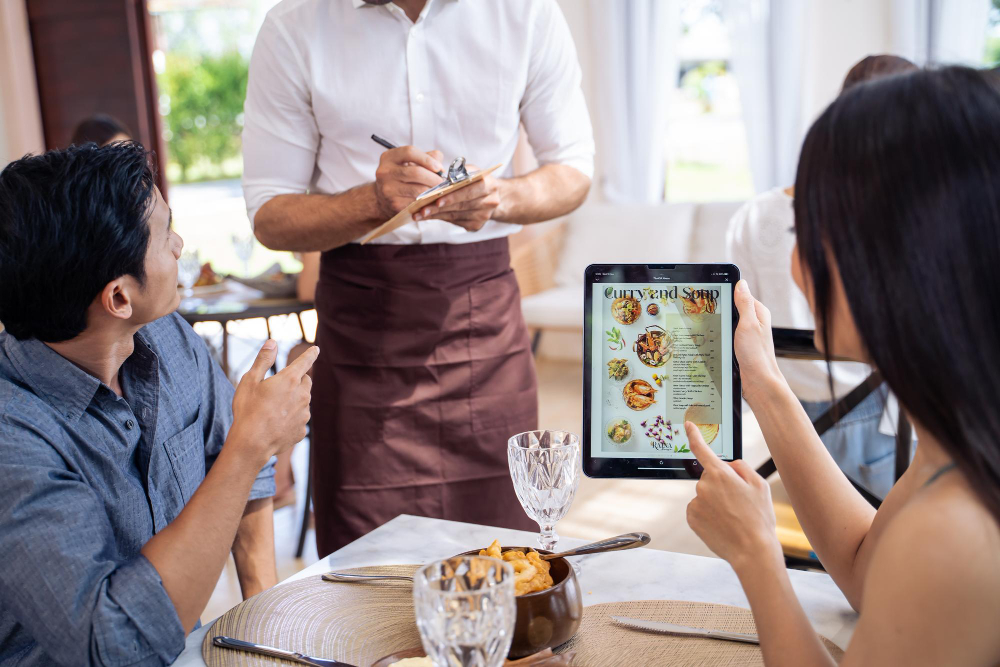
Pricing strategy is how restaurants determine the prices of the products on their menus. It is not just a matter of arbitrarily setting prices, menu pricing requires careful calculation that is appropriate and relevant to each menu item. A good plan takes into account factors such as food costs, competitor pricing, and perceived value. It also involves understanding what your customers, or diners, are willing to pay for the experience you provide, which is essential for successful restaurant pricing. Choosing the proper pricing method can make the difference between just getting by and running a thriving restaurant.
Why is your menu pricing strategy important?

Every marketing strategy in a restaurant is an essential component in ensuring that the restaurant achieves steady profits or even earns a substantial profit, and the same applies to menu pricing strategy. A good pricing strategy not only generates profits but also helps restaurants remain competitive with other establishments, ensures food quality, and sets clear customer expectations. Having high prices means customers will have high expectations that the food they receive is of high quality with quality ingredients. Therefore, you must adjust your pricing to align with the quality of your food products.
Menu pricing example formula
Determining menu pricing strategy is not just a matter of guesswork. One of these formulas is food cost percentage (FCP). Start by identifying your food costs, which is the total price you pay for ingredients. Then, calculate your menu item’s price using the following formula:
Food Cost / Menu Price x 100 = Food Cost Percentage
For example, if the food cost for a dish is $5 and you want a food cost percentage of 30%, you would price the dish at $16.67
Menu pricing strategies

Food cost percentage pricing
Pricing food cost percentage is one of the strategies considered for the ingredients of a product. After knowing the total cost incurred to create a menu in a restaurant, you can add a fee of around 25-35% to get benefits that are appropriate and relevant to the ingredients. By keeping track of this percentage, you can ensure that your menu pricing strategy is sustainable and aligned with your fixed costs.
Price your menu according to the type of restaurant
Each restaurant requires a different pricing strategy, which is influenced by factors such as the type of menu, location, and type of restaurant. For example, cafes have a more limited menu and a lower price range than restaurants because they focus more on coffee or desserts, which require fewer ingredients, than family restaurants.
Additionally, fine dining restaurants have significantly higher prices than other types of restaurants because they not only serve high-quality food but also provide exceptional service.
Menu engineering
Menu engineering is a way to enhance your menu’s presentation to customers, making it more appealing and boosting sales of those items. By using menu engineering, you can analyse the best-selling and most profitable dishes and then optimise those superior menu items. This will bring in more profit.
Cost-plus pricing
Cost-plus pricing simply adds a markup to the cost of your ingredients. For example, if a dish costs $5 to make, you might add a 100% markup, setting the price at $10. This is a straightforward method but should be adjusted for market conditions.
Leverage pricing design psychology
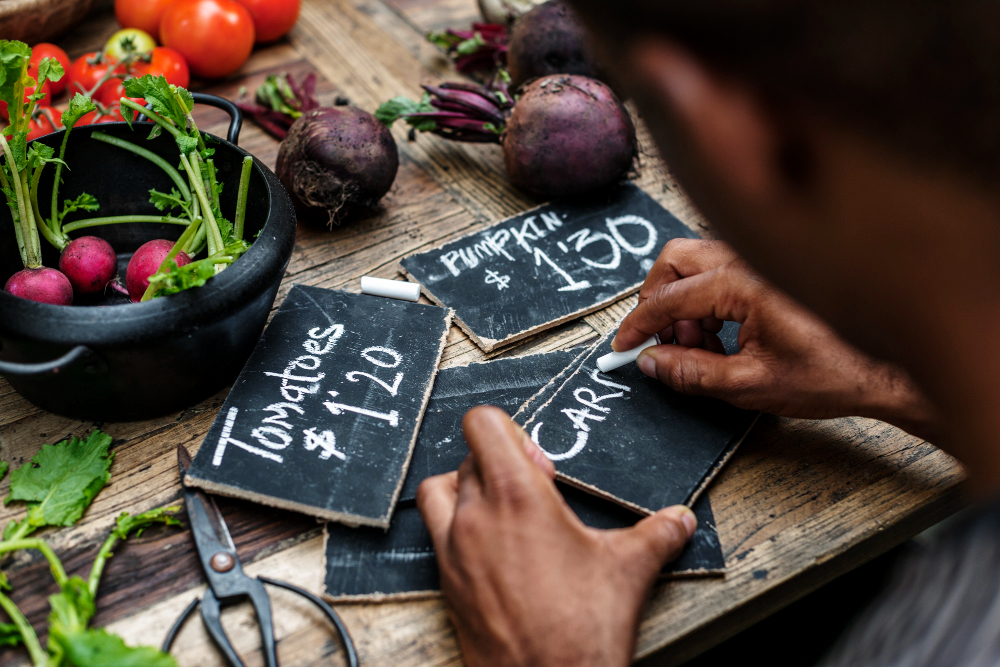
Design psychology matters significantly, particularly when it comes to highlighting menu items and influencing how customers perceive prices. For example, a pricing strategy that avoids using round numbers will make food seem more affordable. You can use $5.5 instead of $6 to give customers the impression that it is cheaper, even though the two amounts are only slightly different.
Value-based pricing involves setting relatively high prices but offering better service or higher-quality food. Additionally, you can offer unique experiences such as customisable menus or farm-to-table meals, which can command a premium price.
Value-based pricing
Value-based pricing involves offering higher prices in exchange for better service performance or food quality. Not only that, but you can also provide unique experiences, such as customisable menus or farm-to-table meals, that will command a premium price.
Penetration pricing
Suppose you have a restaurant that is not yet well-known. In that case, you can use a penetration pricing strategy, which involves offering low prices initially to attract more customers and build loyal relationships. Once you have gained more customers and attention from many people, you can slowly raise the cost of your menu items. This will enable your restaurant to operate for an extended period and establish a strong foothold in the market.
Leverage technology to identify profitable items, etc
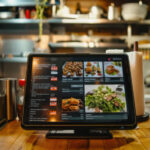
Technology should be utilised in various ways, including promoting restaurants and managing menu pricing strategies effectively. By using software systems such as POS (point-of-sale), you can gain vital information to adjust the menu and maximise profit.
Upselling strategy through bundle pricing
Upselling strategy, marketing, and pricing can be achieved simultaneously by using bundle pricing. You will offer several products in one pack at a lower price than if they were purchased individually. It encourages and attracts customers to buy more food items because they perceive it as a more profitable option.
Dynamic pricing
Dynamic pricing is used at a particular time, providing a new experience to customers and also becoming one of the best pricing strategies for restaurants. For example, you might offer discounts during off-peak hours or charge a premium for special events. This flexible pricing strategy helps maximise revenue across different periods.
Prix fixe
A prix fixe menu offers a set price for a multi-course meal. This pricing strategy can simplify the ordering process and provide good value for customers. It also enables you to control costs and increase kitchen efficiency.
Tips for successful menu pricing strategies
To maximise pricing strategies that are suitable for your restaurant, you need to know some tips to make your plan successful.
Customer feedback
Gathering suggestions and opinions from customers can help refine your menu pricing to better align with customer expectations. You can use the feedback feature on your restaurant’s social media platform or mobile app to gather insights into what customers think about the menu prices and whether they believe the offerings provide good value. This initiative aims to enhance customer satisfaction and foster loyalty among them.
Conduct market research
The restaurant business is highly competitive, requiring all restaurant owners to be vigilant and thoroughly analyse their competitors to become the best in the market. Comparing your menu pricing strategy with that of your competitors can help you explore whether your pricing is appropriate or needs improvement. Therefore, regularly reviewing competitor pricing can help you set a range that aligns with local expectations while still maintaining your unique value proposition.
POS reports
The POS system can help you obtain valuable data to develop a good menu pricing strategy. The system tracks sales and provides informative insights into your menu performance, allowing you to adjust prices accordingly. Reviewing data in POS reports will help you develop relevant and effective menu pricing.
Carry out a cost analysis of your resources
A thorough cost analysis is essential for understanding the financial health of your restaurant. It involves tracking the costs of ingredients, packaging, and other resources for each menu item. Keep a close eye on fluctuations in the cost of goods sold (COGS), particularly for ingredients that are subject to seasonal price changes. When food costs rise, it’s essential to reassess your menu pricing to ensure you’re still maintaining your desired profit margin.
Menu engineering principles
Menu engineering can significantly increase your revenue. It not only provides a list of restaurant menus but also categorises them in a well-structured manner. Thus, menu engineering creates menus that offer the best profit and stand out, attracting customers. Provide high-quality menu images that make the food items look more appealing, and include menu descriptions to enhance the overall dining experience.
Maximise a mix of pricing strategies
Instead of relying on a single pricing strategy, use a combination of methods to target different customer segments. For example, offer value-based pricing for everyday customers while using premium pricing for high-end dishes or experiences. Combine this with bundle pricing for groups or families, where you provide a complete meal at a discounted rate compared to ordering items individually. By diversifying your pricing strategies, you can appeal to a broader range of customers and increase overall sales.
Be transparent about your offerings through a digital menu QR code
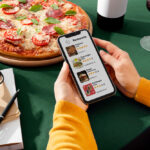
Using digital menus with high-profit potential can streamline the ordering process for your diners. QR codes are a modern way to ensure transparency and customer trust. A digital menu provides your customers with real-time access to your pricing, allowing you to update prices quickly as needed and ensuring informed decisions. With the ability to scan a QR code from their smartphones, customers can view your menu at their convenience, which is especially useful in a post-COVID environment. Transparency in pricing helps build trust, and digital menus allow you to avoid any confusion about pricing changes or special offers.
Monitor industry trends
Restaurant trends data are constantly evolving, and keeping an eye on what’s happening in the industry can help you stay ahead of the competition. For example, if plant-based dining becomes more popular in your area, you may need to rethink pricing strategies for vegan entrees to attract more diners. Monitoring trends ensures that your restaurant remains relevant and that your prices reflect current market demands.
Regularly review and make adjustments using interactive menu software
Menu pricing strategies are certainly not only used in the long term. There are times when pricing changes according to the restaurant’s needs, such as when it wants to increase profits. Therefore, regularly reviewing menus and making adjustments using interactive menu software is necessary to analyse the menu and pricing at your restaurant. This aims to maximise revenue, earn more profits, and also keep your restaurant more competitive in the face of changing diner expectations.
Frequently Asked Questions
What are the four types of pricing?
The four main types of pricing are cost-based pricing, value-based pricing, competition-based pricing, and dynamic pricing. Each type focuses on different factors, such as costs, perceived value, competition, or demand.
What is the most common method for pricing menu items?
The most common method for pricing menu items is cost-plus pricing, which calculates the total cost of ingredients and adds a set percentage to ensure profit. This method is widely used because it’s simple and ensures that all expenses are covered. However, it’s essential to adjust for market conditions and customer perception, which may require blending other pricing strategies.
What is a good food cost percentage?
A good food cost percentage for most restaurants falls between 25% and 35%. This range ensures that you’re making a reasonable profit while still offering food at a competitive price. However, this can vary depending on the type of restaurant. For fine dining establishments, food costs may be higher, while fast-casual restaurants often aim for lower percentages to stay competitive.
Conclusion
Setting the correct prices for your menu is a delicate balancing act between covering your costs, offering value to your customers, and staying competitive. A well-thought-out menu pricing strategy can significantly impact your restaurant’s success. By considering factors such as food cost percentage, market research, and customer preferences, you can develop a pricing strategy that supports your business’s profitability and growth. For more tips on menu pricing or restaurant marketing strategies, feel free to explore SEO For Restaurants to gain more insightful information.